



News:
Brokerage
Posted: April 21, 2014
Cleeman and Kaiser of Cohen Real Estate arranges $5.425 million sale of 7,200 s/f retail property; Represents buyer and seller
Cohen Real Estate has arranged the off-market sale of a retail location at 2500 Coney Island Ave. for $5.425 million. The property - a free standing, two-story commercial building - is 100% occupied, with JP Morgan Chase Bank serving as the anchor tenant.
The transaction encompasses 7,200 s/f of retail space, as well as 12,000 s/f of parking. JP Morgan Chase, occupies the entire ground floor and the property receives additional revenue from a real estate company and a cell phone repair facility. The property also carries air rights for an additional floor to be added.
Cohen Real Estate vice president Michael Cleeman and senior executive director Ric Kaiser represented both the buyer, Francman Realty, LLC, and the seller, 2500 Coney Island Avenue Associates, LLC.
"The property immediately drew strong interest and the process moved quickly," said Cleeman. "The strong demand was anticipated, given the desirable strategic location of the property, and the brand name, credit-rated anchor tenant, which provides key services for area residents."
The sale of the 2500 Coney Island Ave. property continues Cohen's succession of recent retail transactions in the New York Metro area including the $20.25 million off-market sale of a retail condominium at 2770 Broadway; the $10.9 million sale of a retail condominium at 350 Bleecker St.; and the $13.4 million off-market sale of three retail units and six rental apartments at 1 Bleecker St., 3 Bleecker St. and 324 Bowery St. In all of these cases, Cohen personnel represented both buyer and seller.
"We're pleased to be finding and successfully transacting on so many off-market and attractive retail listings," said Cleeman. "These have all been valuable properties, with significant growth potential, located in desirable locations and featuring high quality tenants. We anticipate closing a number of other New York City retail driven properties in the coming weeks as retail continues to be one of the most sought-after asset classes in the market."
Tags:
Brokerage
MORE FROM Brokerage
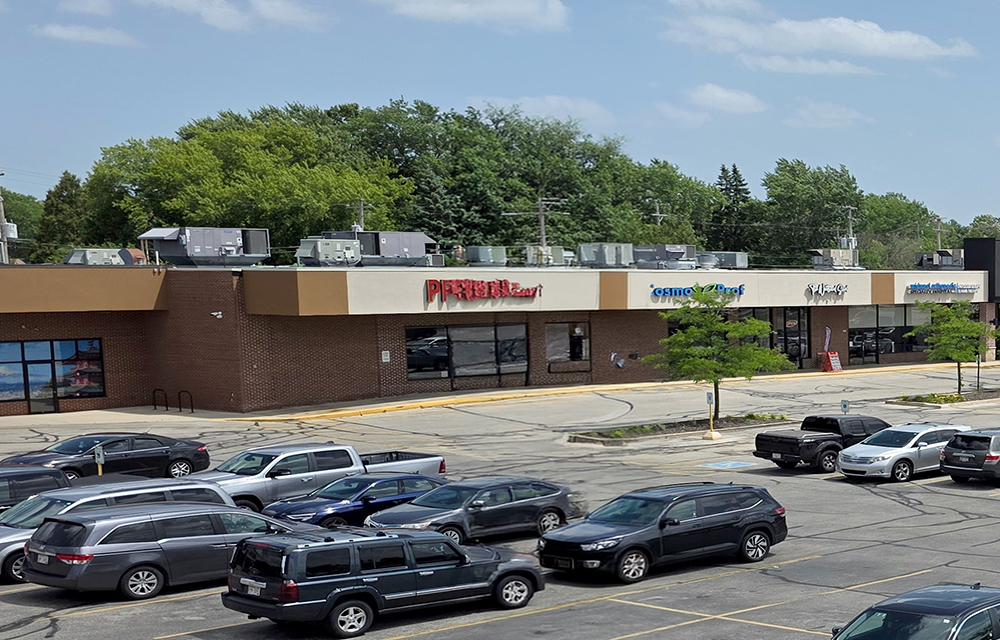
United Properties Corp. expands Wisconsin and Illinois retail presence adding 200,000 s/f
West Allis, WI United Properties Corp. completed two retail acquisitions totaling $27.4 million across Illinois and Wisconsin, adding 205,000 s/f of shopping center space to its portfolio


Quick Hits
 (2).gif)

Columns and Thought Leadership

A guide to finding the right NYC property management company - by Sanjay Gandhi
Being a small to midsize landlord in NYC is an increasingly demanding endeavor. From navigating complex regulations, increased compliance demands to dealing with tenant issues and remediating violations. It is wise to enlist the assistance of a partner, a professional

Positive forecast for New York’s pro-housing push? - by Philip Butler
New York’s housing crisis remains a hot button topic despite growing consensus that varied and affordable housing is desperately needed statewide. Governor Hochul has recently introduced several initiatives to overcome N.Y.’s anti-housing

New York’s streets are full again, and the retail numbers prove it - by Noam Aziz
Walk down any New York block this year and you can feel it. The sidewalks are crowded, the storefronts are lit, and the energy that defines this city is back at full volume.

Hunt commercial real estate question and answer: Fortune 500 wisdom - by David Hunt
Yes, there are lessons to be learned from the largest companies in America when comes to managing your real estate. But the decision to buy or lease real estate may not be one of
.gif)