



News:
Brokerage
Posted: January 5, 2021
Cleaning house in co-ops and condominiums with legal counsel - by C. Jaye Berger

Construction Law
The COVID Pandemic has created some extra time for people to handle projects they might not otherwise have time for. A good example of this is reviewing your building’s co-op and condominium formation documents, such as house rules, proprietary leases by-laws and any contracts for any necessary updates.
In going back in time over the last changes that were approved, one co-op building found that by-law amendments were approved 20 years ago, but had never been typed into the bylaw template for distribution by the transfer agent to new buyers. This was compounded by the fact that the managing agent had changed in this time period. The new managing agent was working with the original unrevised documents. How would anyone know about the changes? In the case of bylaws in a condominium, they would need to be filed with the city register to be effective, so that helps. Unit owners in the condominium buildings would also need to have notice of them. In a co-op they do not need to be recorded.
Keeping track of papers related to board meetings is also very important. Some board members throw piles of papers from board meetings into closets and forget that they have them. They can be a gold mine of information. Sometimes these piles are the only place old documents can be located.
There are many provisions to consider when updating, but the one on giving notice is important ( how, when and where it should be given) has added importance now, since so many buildings have been closed. One contract called for notice by fax, which not everyone has anymore.
C. Jaye Berger is the founder of Law Offices C. Jaye Berger, Manhattan, N.Y
Tags:
Brokerage
MORE FROM Brokerage
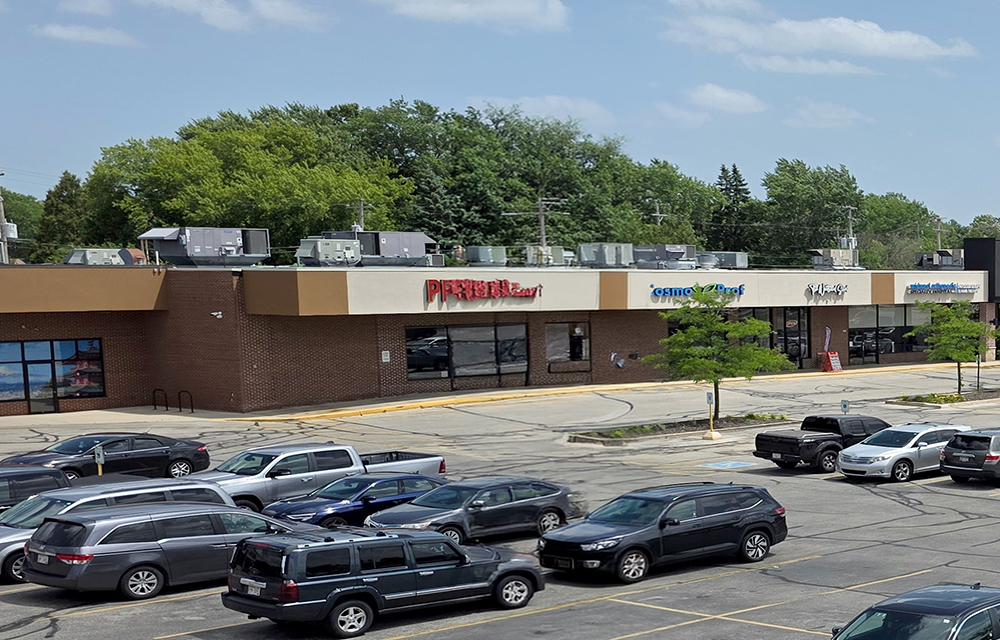
United Properties Corp. expands Wisconsin and Illinois retail presence adding 200,000 s/f
West Allis, WI United Properties Corp. completed two retail acquisitions totaling $27.4 million across Illinois and Wisconsin, adding 205,000 s/f of shopping center space to its portfolio



Quick Hits
 (2).gif)

Columns and Thought Leadership

A guide to finding the right NYC property management company - by Sanjay Gandhi
Being a small to midsize landlord in NYC is an increasingly demanding endeavor. From navigating complex regulations, increased compliance demands to dealing with tenant issues and remediating violations. It is wise to enlist the assistance of a partner, a professional

Hunt commercial real estate question and answer: Fortune 500 wisdom - by David Hunt
Yes, there are lessons to be learned from the largest companies in America when comes to managing your real estate. But the decision to buy or lease real estate may not be one of

New York’s streets are full again, and the retail numbers prove it - by Noam Aziz
Walk down any New York block this year and you can feel it. The sidewalks are crowded, the storefronts are lit, and the energy that defines this city is back at full volume.

Positive forecast for New York’s pro-housing push? - by Philip Butler
New York’s housing crisis remains a hot button topic despite growing consensus that varied and affordable housing is desperately needed statewide. Governor Hochul has recently introduced several initiatives to overcome N.Y.’s anti-housing
.gif)