



News:
Brokerage
Posted: July 27, 2010
Charter reform: Improving the land use review process
The N.Y.C. Charter is the legal framework for our city government. This spring, mayor Bloomberg launched a Charter Revision Commission that is reviewing the entire Charter, listening to public input and issuing recommendations to revise the Charter to increase government efficiency and effectiveness. Voters must approve any Charter changes in Nov.
While much of the discussion about the Charter has concerned elections and term limits for elected officials, REBNY has identified a number of Charter amendments that would improve the city's approach to approving development projects and zoning and land use changes. These amendments would affect three key areas: community input, zoning and landmarks preservation.
Most major land use changes go through a review process that includes local community boards. A simple change that would make these boards more diverse and more representative of the full spectrum of neighborhood interests would be to require that one quarter of community board members represent businesses located in the district.
A second, urgently needed reform is to ensure that so-called "community benefit agreements" aren't part of the government review for land use changes. These agreements fail to achieve adequate community input because there is no way to ensure that those asking for the benefits actually represent the affected community. They aren't transparent and may not even be enforceable. The legally-mandated Uniform Land Use Review Procedure (ULURP) already provides for community input and can better align required developer benefits to impacts actually caused by the proposed project.
N.Y.C. continues to grow and we need to update the zoning to allow more density of housing and commercial space in appropriate locations. One way to do this and to ensure that the locations' infrastructure can accommodate the increase is to put the City Planning Commission in charge of developing the capital budget so that it can better coordinate citywide rezoning with needed capital investments.
Another way to find greater efficiency is to delineate which applications need review by a legislative body (the city council) and which are administrative and can be approved by the City Planning Commission. Changes to the zoning map and text fall into the legislative category and should go before the city council. However, planning permits for individual sites, whose elements, such as a building setback, must be determined consistent with already approved zoning regulations, are best handled by the planning commission.
Preservation plays an important role in many neighborhoods. However, landmark and historic district designation need to be considered in the larger context of city planning. REBNY recommends that the Charter include designation criteria which balance economic factors, city growth and historic merit. Both the City Planning Commission and the city council should have expanded powers to review historic district designations to see if they are truly in the best interests of the city.
The Charter Revision Commission staff recently issued a report recommending that most changes to the land use process be postponed until next year when another commission could study them in greater detail. This is disappointing since improving land use policy is important to our economic well being and our quality of life. We look forward to continuing the discussion.
Steven Spinola is the president of the Real Estate Board of New York, N.Y.
Tags:
Brokerage
MORE FROM Brokerage
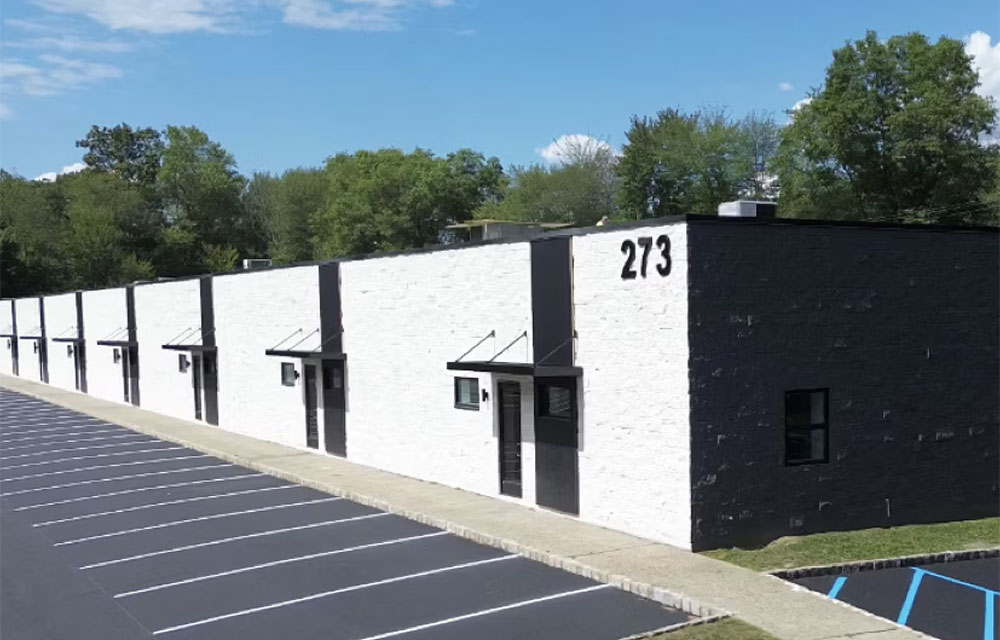
Resource Realty of Northern NJ delivers complete lease-up of 235 Franklin Rd. for Commerce Park Investors
Randolph, NJ Resource Realty of Northern New Jersey (RRNNJ) has completed the lease-up of a 10-unit small-bay industrial property at 273 Franklin Rd., marking the culmination of an investment strategy that began




Quick Hits
 (2).gif)

Columns and Thought Leadership

New York’s streets are full again, and the retail numbers prove it - by Noam Aziz
Walk down any New York block this year and you can feel it. The sidewalks are crowded, the storefronts are lit, and the energy that defines this city is back at full volume.

A guide to finding the right NYC property management company - by Sanjay Gandhi
Being a small to midsize landlord in NYC is an increasingly demanding endeavor. From navigating complex regulations, increased compliance demands to dealing with tenant issues and remediating violations. It is wise to enlist the assistance of a partner, a professional

Positive forecast for New York’s pro-housing push? - by Philip Butler
New York’s housing crisis remains a hot button topic despite growing consensus that varied and affordable housing is desperately needed statewide. Governor Hochul has recently introduced several initiatives to overcome N.Y.’s anti-housing

Hunt commercial real estate question and answer: Fortune 500 wisdom - by David Hunt
Yes, there are lessons to be learned from the largest companies in America when comes to managing your real estate. But the decision to buy or lease real estate may not be one of
.gif)