



News:
Brokerage
Posted: April 21, 2014
CBRE releases 2013 Q4 Manhattan Retail MarketView report
CBRE Group, Inc. released its Manhattan Retail MarketView report for fourth quarter 2013, highlighting the new retail developments that are spurring Downtown as a tourist and shopping destination.
"A huge retail magnet for foreign and local shoppers is being created Downtown from Brookfield Place on the west side, eastward to the World Trade Center, Fulton St. Transit station and to the Howard Hughes seaport project on the East River," said Annette Healey, executive vice president, CBRE Retail Group. "From luxury retailers to extensive and varied dining and marketplace concepts, these massive new developments will all come online over the next several years bringing more than 1.1 million s/f of retail space to Downtown."
The abundance of retail projects has drawn big-name retailers to the Broadway corridor Downtown, including Urban Outfitters, which leased 21,000 s/f at 180 Broadway. The corridor's average asking rent saw the largest quarterly increase in the market, rising 40.40% from $198 per s/f at the end of 2012 to $278 per s/f at the end of 2013, an increase attributable to landlords raising pricing based on demand for large-scale development projects in Lower Manhattan.
CBRE's report also stated that the average asking rents on Manhattan's major retail corridors remained relatively stable from Q3 2013 to Q4 2013. Five of 11 major corridors saw minor declines—the largest occurring on Broadway on the Upper West Side, an 8.21% decrease that can be attributed to new availabilities priced below that market's average. Despite this decrease, the average asking rent still increased 15.67% when compared to the same time last year.
The other six corridors experienced stable to moderate increases in average asking rents, led by a 15.18% increase on 34th St. in Herald Sq. That increase was a result of signed leases that removed availabilities priced below the market average.
Tags:
Brokerage
MORE FROM Brokerage
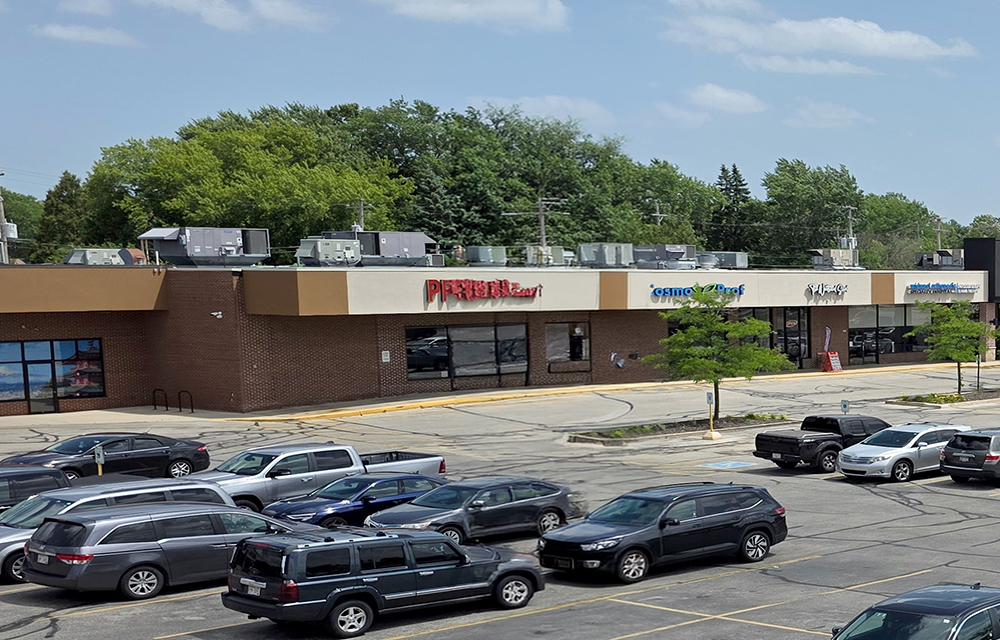
United Properties Corp. expands Wisconsin and Illinois retail presence adding 200,000 s/f
West Allis, WI United Properties Corp. completed two retail acquisitions totaling $27.4 million across Illinois and Wisconsin, adding 205,000 s/f of shopping center space to its portfolio


 (2).gif)

Columns and Thought Leadership

New York’s streets are full again, and the retail numbers prove it - by Noam Aziz
Walk down any New York block this year and you can feel it. The sidewalks are crowded, the storefronts are lit, and the energy that defines this city is back at full volume.

Positive forecast for New York’s pro-housing push? - by Philip Butler
New York’s housing crisis remains a hot button topic despite growing consensus that varied and affordable housing is desperately needed statewide. Governor Hochul has recently introduced several initiatives to overcome N.Y.’s anti-housing

Hunt commercial real estate question and answer: Fortune 500 wisdom - by David Hunt
Yes, there are lessons to be learned from the largest companies in America when comes to managing your real estate. But the decision to buy or lease real estate may not be one of

A guide to finding the right NYC property management company - by Sanjay Gandhi
Being a small to midsize landlord in NYC is an increasingly demanding endeavor. From navigating complex regulations, increased compliance demands to dealing with tenant issues and remediating violations. It is wise to enlist the assistance of a partner, a professional
.gif)