



News:
Brokerage
Posted: August 4, 2020
CBRE Long Island reps. RXR Rlty. in $32 million sale to The Feil Org.;
Sperry and Tylenda of CBRE-Albany broker $4.05 million deal
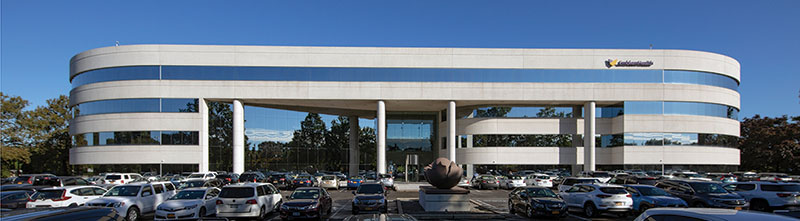
Melville and Albany, NY CBRE has completed two sales totaling $36.05 million.
The CBRE Team of Jeff Dunne, Jeremy Neuer, Steve Bardsley, David Gavin, Gene Pride and Travis Langer in collaboration with Philip Heilpern of CBRE’S Long Island Office completed the $32 million sale of the leasehold interest in 395 North Service Rd. in Melville. CBRE represented RXR Realty in the sale and also procured the purchaser, The Feil Organization.
395 North Service Rd. is a 202,225 s/f office building currently 87% leased to high credit tenants, which including TSYS and Emblem Health. Located in Western Suffolk County, one of Long Island’s submarkets with only 10% vacancy, 395 North Service Rd. is situated within the prestigious Rte. 110 corridor, adjacent to the Long Island Expressway and proximate to the Northern State Parkway. The property is within walking distance to a full-service Marriot Hotel and a short drive to the Melville Hilton while nearby restaurants and retail options are on Rte. 110.
“395 North Service Rd.’s superb location, strong submarket and enviable high-credit tenancy will provide stable cash flow for the new owner,” said Dunne of CBRE. “The superb, high credit rent roll was further evidenced by 100% rent collections since the start of the COVID-19 pandemic back in March.”
CBRE-Albany completed the sale of 93 Broadway in Albany. This is a 67,000 s/f fully leased, mixed-use building on 1.5 acres. Jeff Sperry and Laurie Tylenda of CBRE-Albany represented the seller, 93 Broadway, LLC, and James DeFalco, Inc. represented the buyer, Elman Investors, Inc. The property transferred for $4.05 million on June 30, 2020.
Tags:
Brokerage
MORE FROM Brokerage

Law Firm Nutter expands space to 11,438 s/f at 5 Grand Central East
Manhattan, NY According to the Durst Organization, full-service law firm Nutter is expanding their office at 5 Grand Central East to 11,438 s/f. Nutter will take the entire 25th floor, in addition to renewing the firm’s existing office space on the 27th floor of the building.




 (2).gif)

Columns and Thought Leadership

Hunt commercial real estate question and answer: Fortune 500 wisdom - by David Hunt
Yes, there are lessons to be learned from the largest companies in America when comes to managing your real estate. But the decision to buy or lease real estate may not be one of

New York’s streets are full again, and the retail numbers prove it - by Noam Aziz
Walk down any New York block this year and you can feel it. The sidewalks are crowded, the storefronts are lit, and the energy that defines this city is back at full volume.

Positive forecast for New York’s pro-housing push? - by Philip Butler
New York’s housing crisis remains a hot button topic despite growing consensus that varied and affordable housing is desperately needed statewide. Governor Hochul has recently introduced several initiatives to overcome N.Y.’s anti-housing

A guide to finding the right NYC property management company - by Sanjay Gandhi
Being a small to midsize landlord in NYC is an increasingly demanding endeavor. From navigating complex regulations, increased compliance demands to dealing with tenant issues and remediating violations. It is wise to enlist the assistance of a partner, a professional
.gif)