



News:
Brokerage
Posted: May 12, 2014
CBRE Group, Inc. Q1 2014 Manhattan Office Marketview
The following are CBRE First Quarter 2014 Office MarketView Highlights:
Midtown - Leasing activity totaled 3.94 million s/f during the first quarter, topping the market's five-year quarterly average of 3.72 million s/f by 6%. Net absorption was negative 379,000 s/f, compared to negative 1.00 million s/f during the first quarter of last year. Midtown's availability rate was 11.9% at the end of Q1 2014, up from 11.7% during Q4 2013, although lower than the Q1 2013 rate of 12.4%. The sublease availability rate finished at 2.1%, compared to 2.7% one year ago. The average asking rent increased 2% during the quarter, finishing at $74.27 per s/f
Midtown South - Leasing activity totaled 1.66 million s/f during Q1 2014, the highest quarterly total since Q4 2001. The quarterly leasing total was 50% higher than the five-year quarterly average of 1.11 million s/f Net absorption was 497,000 s/f during Q1 2014, an improvement over the negative 1.51 million s/f measured during Q1 2013. The availability rate was 9.4% at the end of Q1 2014, compared to 10.7% one year ago. The sublease availability rate finished at 2.2%, compared to 2.3% one year ago. The average asking rent declined 2% during the quarter, as the leasing of higher priced space drove the average downward, although the average remained up 5% year-over-year.
Downtown - Leasing activity totaled 1.62 million s/f during the first quarter, the 12th consecutive quarter higher than the market's five-year quarterly average. Net absorption was negative 1.08 million s/f during the quarter, largely driven by the addition of One World Trade Center to the building inventory. The availability rate Downtown reached 14.0% at the end of Q1 2014, higher than the Q4 2013 rate of 13.5% and the Q1 2013 rate of 13.9%. The sublease availability rate was the lowest in Manhattan, finishing at 1.4%, down from 1.6% one year ago. The average asking rent finished at $48.70 per s/f, 5% higher than the previous quarter and 4% higher than one year ago.
Tags:
Brokerage
MORE FROM Brokerage
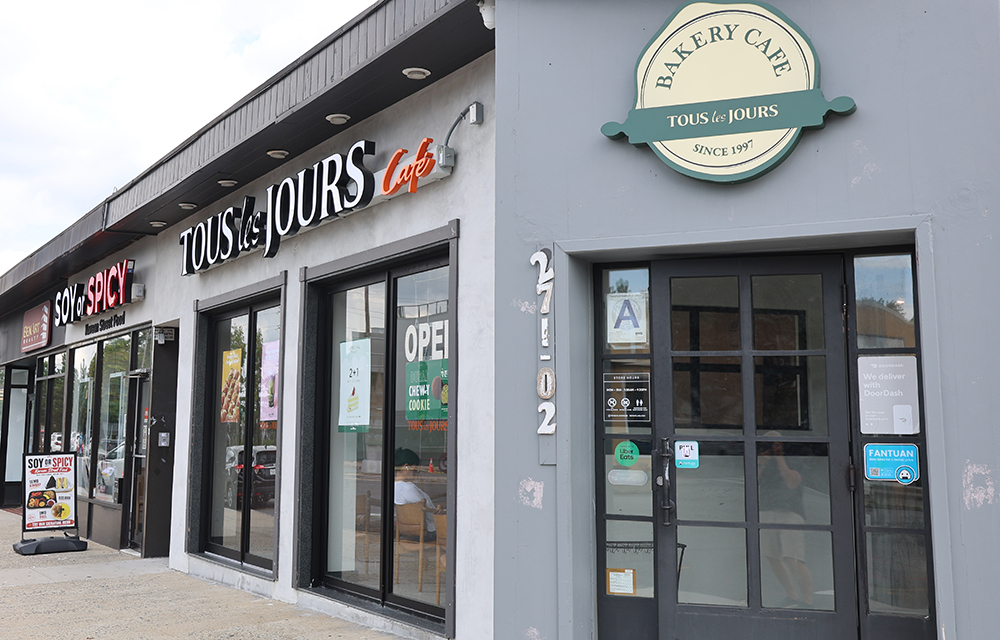
Sobel of RIPCO Real Estate signs Redefine Meals as newest tenant at New Hyde Park Place
New Hyde Park, NY New Hyde Park Place, the rebranded commercial property at 271-02 Union Tpke.on the Nassau/Queens border, has signed new tenant Redefine Meals, the Long Island-based prepared-meal company, for a new 1,000 s/f location, starting on September



Columns and Thought Leadership

A guide to finding the right NYC property management company - by Sanjay Gandhi
Being a small to midsize landlord in NYC is an increasingly demanding endeavor. From navigating complex regulations, increased compliance demands to dealing with tenant issues and remediating violations. It is wise to enlist the assistance of a partner, a professional

Hunt commercial real estate question and answer: Fortune 500 wisdom - by David Hunt
Yes, there are lessons to be learned from the largest companies in America when comes to managing your real estate. But the decision to buy or lease real estate may not be one of

Positive forecast for New York’s pro-housing push? - by Philip Butler
New York’s housing crisis remains a hot button topic despite growing consensus that varied and affordable housing is desperately needed statewide. Governor Hochul has recently introduced several initiatives to overcome N.Y.’s anti-housing

New York’s streets are full again, and the retail numbers prove it - by Noam Aziz
Walk down any New York block this year and you can feel it. The sidewalks are crowded, the storefronts are lit, and the energy that defines this city is back at full volume.
.gif)
September Promotion
