



News:
Brokerage
Posted: July 25, 2023
Catching up after the pandemic - by C. Jaye Berger

The pandemic has caused a lot of co-ops and condominiums to not embark on repair and maintenance projects unless absolutely necessary.
As buildings consider what they need to do, the first thing is to prioritize what needs to be done and where the money is going to come from to pay for it.
When there are a number of projects that need to be undertaken, there is usually a need for a construction manager because work would be done in different places in the building. The money for this work can come from either an assessment against unit owners or a bank loan by the building.
Some of the work that needs to be done may be controversial because the building and the parties never agreed on who would be responsible for it.
In other words, there might need to be some litigation to establish who should be required to pay. There are also situations where someone did their work on someone else’s property and the boundary needs to be established and reset either by agreement or litigation.
Other work such as facade repairs is not discretionary and must be done.
It has also been difficult for some buildings to meet and have the necessary consensus since some people have gone to live elsewhere.
Since we all have heard in the news about partial wall collapses, this is all the more reason this work must be done sooner rather than later.
In one instance, the building has been trying to revise it’s alteration agreement which has been taking so long that new alterations cannot get started.
Buildings must have attorneys on retainer so that they have people to reach out to confer about these issues. Some buildings leave these issues in the hands of their building supers who may be knowledgeable, but not have the authority to decide bigger issues.
C. Jaye Berger, Esq. is the founder of Law Offices C. Jaye Berger, New York, N.Y.
Tags:
Brokerage
MORE FROM Brokerage
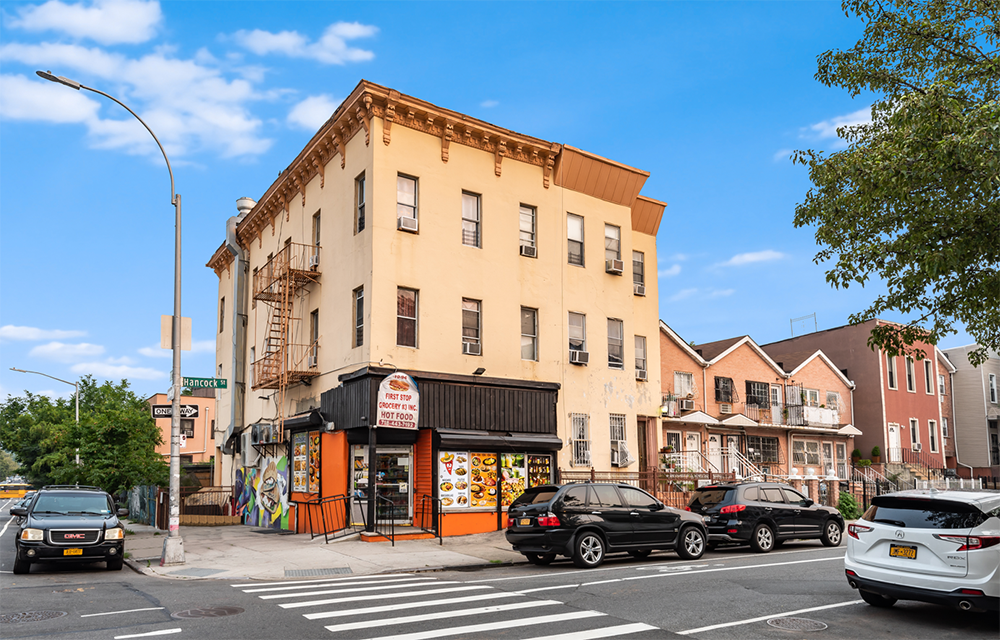
Investment Property Realty Group closes $1.75 million sale of 1094 Hancock Street in Brooklyn
Brooklyn, NY Investment Property Realty Group (IPRG), a New York-based commercial investment firm, has closed the sale of 1094 Hancock St., a mixed-use building in the Bushwick section, for $1.75 million.


Quick Hits

Columns and Thought Leadership

A guide to finding the right NYC property management company - by Sanjay Gandhi
Being a small to midsize landlord in NYC is an increasingly demanding endeavor. From navigating complex regulations, increased compliance demands to dealing with tenant issues and remediating violations. It is wise to enlist the assistance of a partner, a professional

Hunt CRE question and answer: Choosing a real estate agent - by David Hunt
First, we will only work with one agent exclusively. The primary reason is that we want that agent to legally represent our client’s interests. In New York State, a real estate agent has a fiduciary

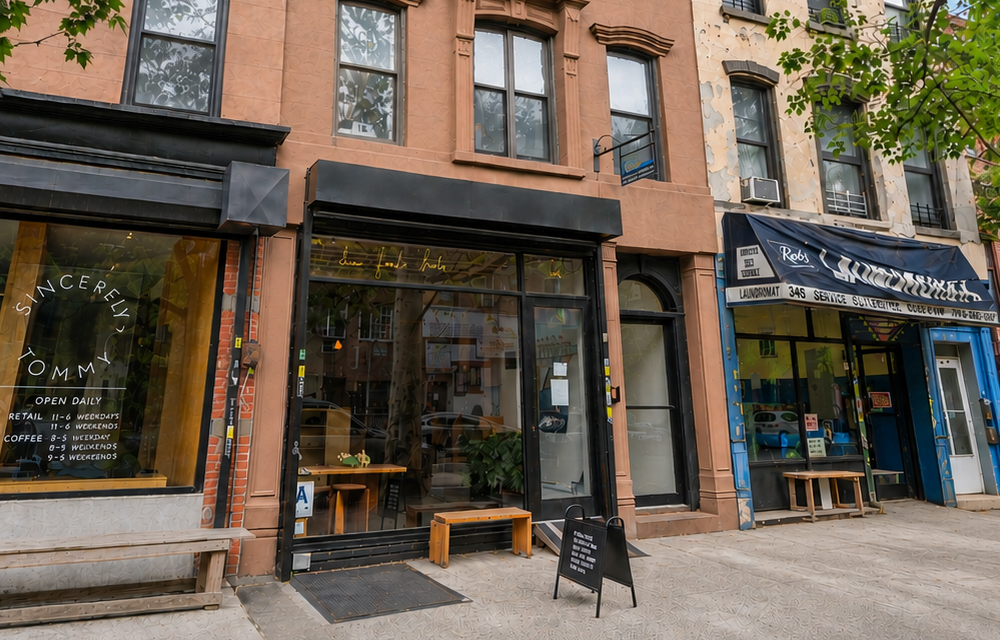
New York’s streets are full again, and the retail numbers prove it - by Noam Aziz
Walk down any New York block this year and you can feel it. The sidewalks are crowded, the storefronts are lit, and the energy that defines this city is back at full volume.

Hunt commercial real estate question and answer: Fortune 500 wisdom - by David Hunt
Yes, there are lessons to be learned from the largest companies in America when comes to managing your real estate. But the decision to buy or lease real estate may not be one of
.gif)