



News:
Brokerage
Posted: July 19, 2016
Carrega, Epstein, Helman and Kingsley of Avison Young close $32.15 million sale

Vincent Carrega, Avison Young
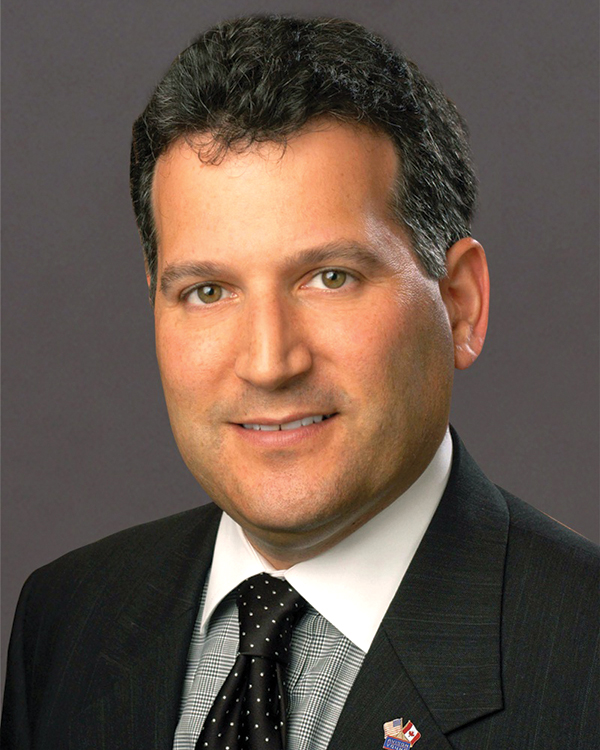
Jon Epstein, Avison Young

Neil Helman, Avison Young
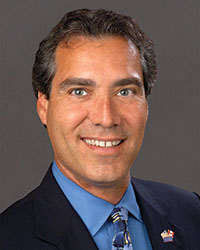
Charles Kingsley, Avison Young
New York, NY Avison Young’s (AY) New York City-based capital markets group has arranged the $32.15 million sale of 19 West 20th St., a seven-story, 52,000 s/f parking garage located in Manhattan’s Flatiron District. The property is under a long-term lease to Icon Parking.
The AY team of principals Vincent Carrega, Jon Epstein, Neil Helman and Charles Kingsley represented the seller, Extell Development. The property was purchased by 19-25 West 20th St. Property LLC, an entity consisting of principals Shlomo Bakash and Steve Mashaal.
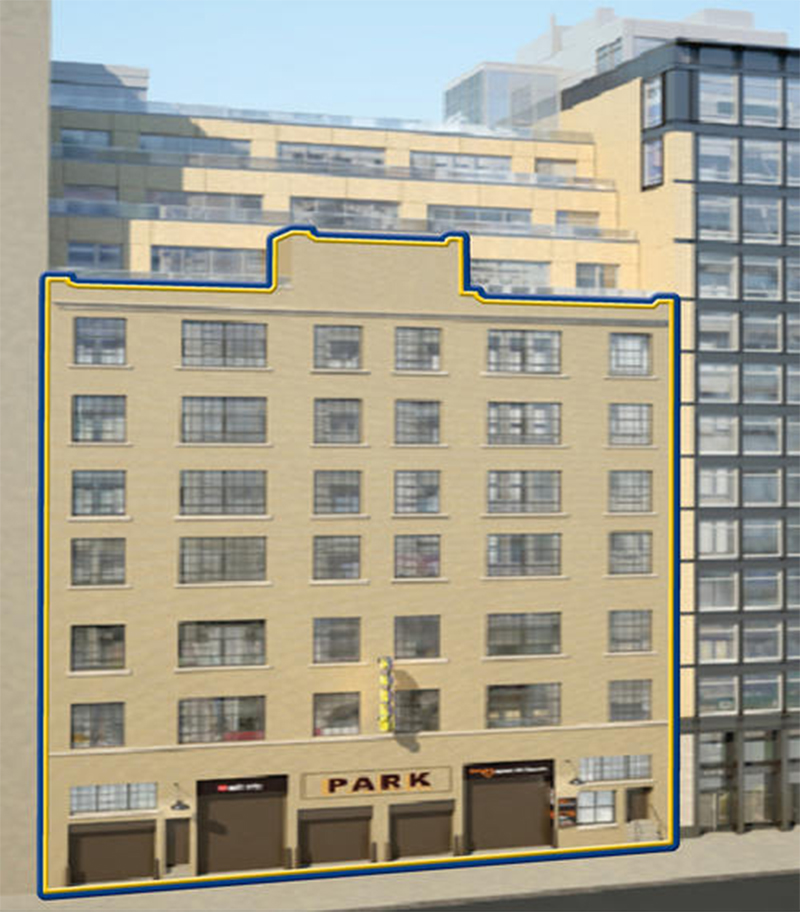 19-25 West 20th Street - New York, NY
“We received significant interest from investors who recognized the property’s long-term value, and saw it as an asset that will appreciate significantly in the coming years,” said Helman. “In addition to this potential, 19 West 20th will also provide the buyer with stability, as the scarcity of available parking south of 23rd Street insures the tenant’s interest in maintaining control of this garage and subsequently, an on-going income stream for the landlord. We were successful at touting the property’s upside in both the short and long term, enabling our client to capitalize on the strong demand for product in this neighborhood.”
The property has 100 ft. of frontage on West 20th St. and, should the tenant choose not to renew, the property will be a highly desirable garage for another operator or can be converted to office or residential.
“The infusion of technology companies has played a role in the overall rebirth of the Flatiron District, and the area has become one of the strongest and most desirable neighborhoods in the entire city,” said Kingsley. “With its enviable location just off of Fifth Avenue, the property will provide the buyer with an ideal location to possibly construct a mixed-use, residential or commercial development in an area that is truly starved for new product.”
The Flatiron District is home to a range of retail and dining destinations as well as several recently constructed luxury residential developments.
Widely regarded as the premier location for technology and media firms, the neighborhood is one of the strongest commercial districts in the New York, with low vacancy and some of the city’s highest asking rents.
Tags:
Brokerage
MORE FROM Brokerage
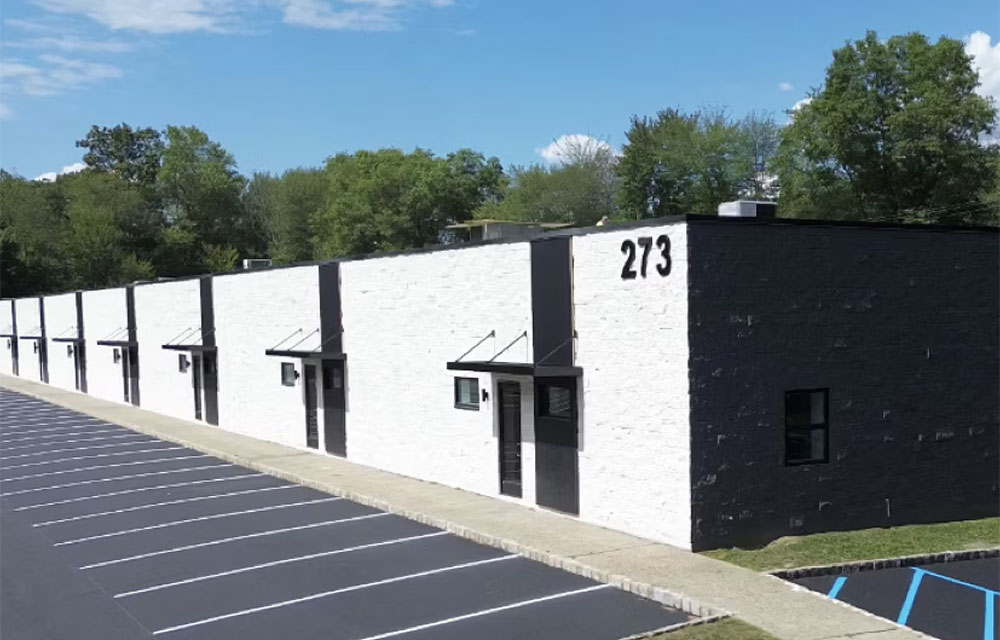
Resource Realty of Northern NJ delivers complete lease-up of 235 Franklin Rd. for Commerce Park Investors
Randolph, NJ Resource Realty of Northern New Jersey (RRNNJ) has completed the lease-up of a 10-unit small-bay industrial property at 273 Franklin Rd., marking the culmination of an investment strategy that began



Quick Hits

Columns and Thought Leadership

New York’s streets are full again, and the retail numbers prove it - by Noam Aziz
Walk down any New York block this year and you can feel it. The sidewalks are crowded, the storefronts are lit, and the energy that defines this city is back at full volume.

Hunt commercial real estate question and answer: Fortune 500 wisdom - by David Hunt
Yes, there are lessons to be learned from the largest companies in America when comes to managing your real estate. But the decision to buy or lease real estate may not be one of

A guide to finding the right NYC property management company - by Sanjay Gandhi
Being a small to midsize landlord in NYC is an increasingly demanding endeavor. From navigating complex regulations, increased compliance demands to dealing with tenant issues and remediating violations. It is wise to enlist the assistance of a partner, a professional

Positive forecast for New York’s pro-housing push? - by Philip Butler
New York’s housing crisis remains a hot button topic despite growing consensus that varied and affordable housing is desperately needed statewide. Governor Hochul has recently introduced several initiatives to overcome N.Y.’s anti-housing
.gif)