



News:
Brokerage
Posted: February 13, 2024
Can communications help spur market revival? - by Harry Zlokower
During a recent walk on the Brooklyn Promenade — its memorable skyline of downtown and Midtown Manhattan in full view — I wondered how things will turn out in New York’s latest and arguably most severe commercial real estate crisis in history. More specifically, what role should and will public relations play here?
PR at the end of the day is communication of substantive, accurate information, usually with a point of view, disseminated in widely read and viewed, digital and social media, and through speaking engagements, in this case, to persuade tenants to maintain or increase space, encourage office attendance, and promulgate energy and vibe that draw workers, businesses and investors to New York.
Widely viewed interviews such as Scott Rechler, CEO of RXR Realty and Marc Holliday, chair and CEO of SL Green Realty accomplished in a 60 Minutes story in January illustrate this point. Rechler and Holliday told it like it is, the good with the bad, but in the end, they expressed optimism using their own properties and developments to illustrate how to cope in the post-COVID work-from-home era. Real Estate Board of New York (REBNY) made their own statement recently in a special advertising feature in the Wall Street Journal entitled “How vibrant (and occupied) workspaces can fuel New York’s fiscal health” featuring Cushman & Wakefield’s northeast regional president Toby Dodd.
Continued strong efforts to communicate accomplishments and points of view are essential. We need more case histories and success stories of buildings and offices, innovations that entice workers, opinions by leaders as to what it will take to turn things around more quickly and effectively, and ideas and actions to revitalize the city making it more attractive to employees who have become accustomed to Zoom, e-mails and texts as the preferred way to produce and interact with team members.
Harry Zlokower is a real estate public relations consultant based in New York.
Tags:
Brokerage
MORE FROM Brokerage
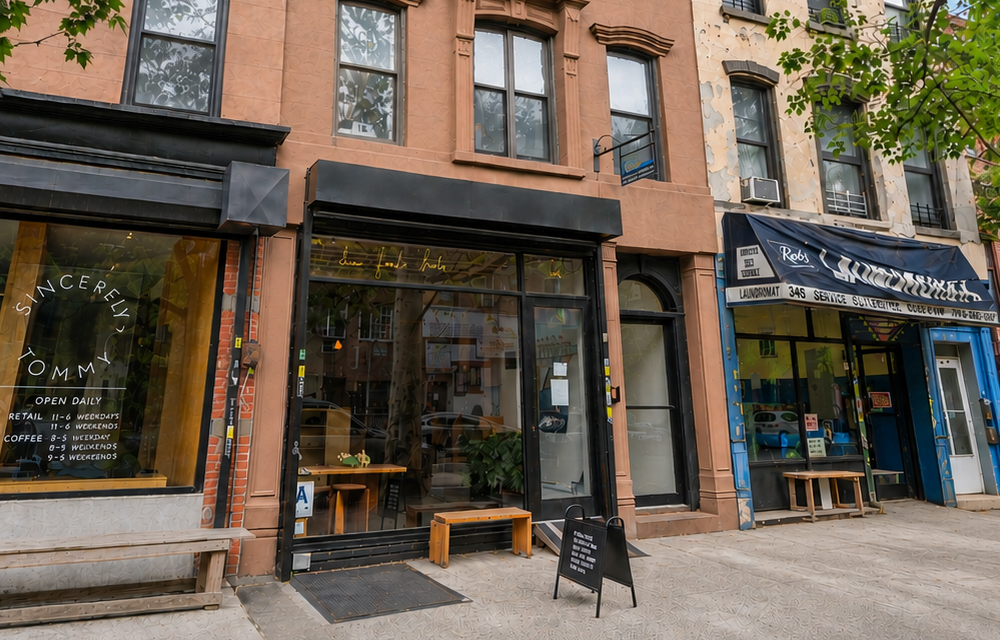
Bestreich, Reynolds, Davila, and Flaherty of Investment Property Realty Group close $1.97 million sale of 343A Tompkins Ave. in Bed-Stuy
Brooklyn, NY Investment Property Realty Group (IPRG) closed the sale of 343A Tompkins Ave., a mixed-use building located in the Bed-Stuy section of the borough, for $1.97 million.



Quick Hits

Columns and Thought Leadership

Hunt commercial real estate question and answer: Fortune 500 wisdom - by David Hunt
Yes, there are lessons to be learned from the largest companies in America when comes to managing your real estate. But the decision to buy or lease real estate may not be one of

Hunt CRE question and answer: Choosing a real estate agent - by David Hunt
First, we will only work with one agent exclusively. The primary reason is that we want that agent to legally represent our client’s interests. In New York State, a real estate agent has a fiduciary

A guide to finding the right NYC property management company - by Sanjay Gandhi
Being a small to midsize landlord in NYC is an increasingly demanding endeavor. From navigating complex regulations, increased compliance demands to dealing with tenant issues and remediating violations. It is wise to enlist the assistance of a partner, a professional

New York’s streets are full again, and the retail numbers prove it - by Noam Aziz
Walk down any New York block this year and you can feel it. The sidewalks are crowded, the storefronts are lit, and the energy that defines this city is back at full volume.
.gif)