News: Brokerage

Brookhill Properties acquires $97 million, 16-building multifamily portfolio
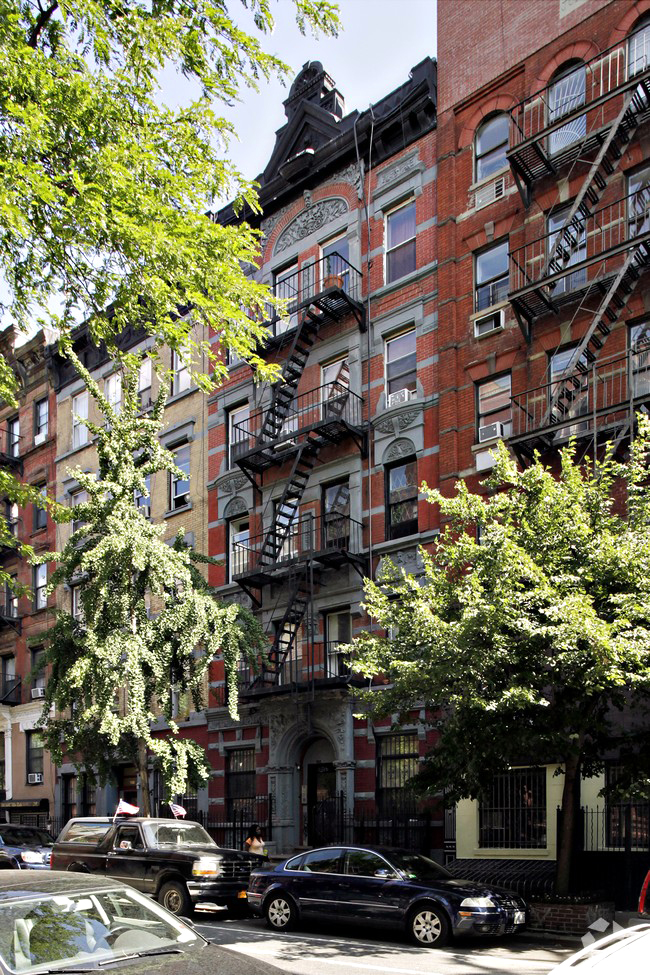
253 East 10th Street - New York, NY 253 East 10th Street - New York, NY

Manhattan, NY Brookhill Properties, founded and owned by Raphael Toledano, acquired a 16-building, multifamily portfolio in the East Village. The walk-up properties, purchased from the Tabak/Garfinkel family for $97 million, include 301 residential units and 15 retail tenants.
Raphael Toledano, Brookhill Properties Raphael Toledano, Brookhill Properties
“These properties are ideally situated to capitalize on the explosive growth of the East Village. The buildings are in a neighborhood that is highly-sought after by tenants who want to be in the heart of the action – and we are thrilled to reinforce our position as a leading landlord here,” said Toledano, president of Brookhill Properties. The full list of buildings acquired is: 27 St. Marks Place – 20 residential units, 2 commercial units; 66 East 7th St. – 22 residential units, 2 commercial units; 95 East 7th St. – 20 residential units; 223 East 5th St. – 18 residential units; 228 East 6th St.– 20 residential units, 2 commercial units; 229 East 5th St. – 10 residential units; 231 East 5th St. – 8 residential units, 2 commercial units; 233 East 5th St. – 10 residential units; 235 East 5th St. – 10 residential units; 253 East 10th St. – 20 residential units, 1 commercial unit; 323-325 East 12th St. – 37 residential units; 327 East 12th St. – 22 residential units, 2 commercial units; 329 East 12th St. – 24 residential units; 334 East 9th St. – 20 residential units, 2 commercial units; 510 East 12th St. – 20 residential units, 2 commercial units and 514 East 12th St. – 20 residential units. “We are committed to being a force for good in the neighborhood and providing our tenants with high-quality apartments,” said Toledano. “Our company is not just a property owner, we are members of this East Village community and look forward to partnering with local groups to show our dedication.”
MORE FROM Brokerage

Horvath & Tremblay Announces Strategic Integration of B6 Real Estate Advisors, Expanding New York City Presence

New York, NY Horvath & Tremblay, a premier real estate services firm specializing in investment real estate brokerage, 1031 exchanges, debt/equity placement, and appraisal & valuation services, announced the strategic integration of B6 Real Estate Advisors into the firm’s growing national platform.
READ ON THE GO
DIGITAL EDITIONS
Subscribe
Columns and Thought Leadership
A fresh start - by Shallini Mehra and Amit Doshi

A fresh start - by Shallini Mehra and Amit Doshi

For the past several years, the New York City multifamily housing market has been defined by disruption. The combined impact of the HSTPA rent laws and a sharply higher interest rate environment has fundamentally reduced
The anticipated effect of Basel III and ISO 20022 implementation on commercial real estate - by Michael Zysman

The anticipated effect of Basel III and ISO 20022 implementation on commercial real estate - by Michael Zysman

July 1, 2025 is the deadline for US banks to begin to adopt Basel III banking standards and July 14, 2025 is the deadline for U.S. banks to adopt ISO 20022 messaging standards. Both will have a significant effect on the banking and commercial real estate (CRE) finance sectors.
The death of the generic offering memorandum: What buyers expect in 2025 - by Kimberly Zar Bloorian

The death of the generic offering memorandum: What buyers expect in 2025 - by Kimberly Zar Bloorian

There was a time when an offering memorandum (OM) was pretty bare bones, some photos, a few bullet points on income, and a rent roll thrown in at the back. That used to get the job done. Not anymore. In 2025, buyers are sharper, faster, and more selective. They’re looking
Tri-state capital  migrates nationally amid  regulation pressure - by Reese Weaver

Tri-state capital migrates nationally amid regulation pressure - by Reese Weaver

New York tri-state multifamily investors are increasingly reallocating capital to less-regulated markets across the U.S. as rent control and legislative risk erode returns at home. With over 60% of New York City’s rental housing stock classified as rent-stabilized, the traditional value-add model — buying under-performing buildings,