



News:
Brokerage
Posted: November 10, 2014
Birnbaum and Westfried of Meridian Capital finance $228.5 million; on behalf of partnership between Chetrit Group and Clipper Equity
Meridian Capital Group, LLC, one of the leading national commercial real estate finance and advisory firms, negotiated $228.5 million in construction financing for the condominium conversion of the former Flatotel hospitality property to residential and commercial condominiums on behalf of a partnership between Chetrit Group and Clipper Equity.
The two-year, non-recourse, interest-only loan features a floating LIBOR-based interest rate and a one-year extension option. Meridian Capital Group executive vice president, Aaron Birnbaum, and vice president, Emanuel Westfried, both based in Meridian's New York City headquarters, negotiated this transaction.
The Chetrit Group and Clipper Equity team plans to convert the asset into a five-floor boutique office condominium and a 37-floor residential condominium. The 55,000 s/f office condominium component will be located on floors two through seven of the building and 109-unit residential condominiums will span floors eight through 47. The total project cost is presently estimated at $300 million. Sales have commenced and have exceeded $2,000 per s/f.
The property is located at 135 West 52nd St., between Sixth Ave. and Seventh Ave., in the Midtown Manhattan district.
The Chetrit Group and Clipper Equity team acquired the property in 2013 from a venture between Rockpoint Group, Atlas Capital and Procaccianti Group.
This project's sponsorship is unique in that both parties have significant experience with conversion and development projects in the New York metro area including the Empire Hotel, Hotel Chelsea, BellTel Lofts and Columbus Square projects.
"Meridian initially placed the acquisition financing last year and worked with the sponsor on refinancing with a construction loan. The project has enjoyed a significant level of presales and construction is well underway and being funded with equity, making this an attractive opportunity for lenders," said Westfried. "Meridian was able to identify several capital sources interested in financing the transaction on a non-recourse basis. We ultimately chose to move forward with the lender that provided superior economic terms coupled with the flexibility that will enable the borrower to best execute their business plan," Westfried added.
Tags:
Brokerage
MORE FROM Brokerage
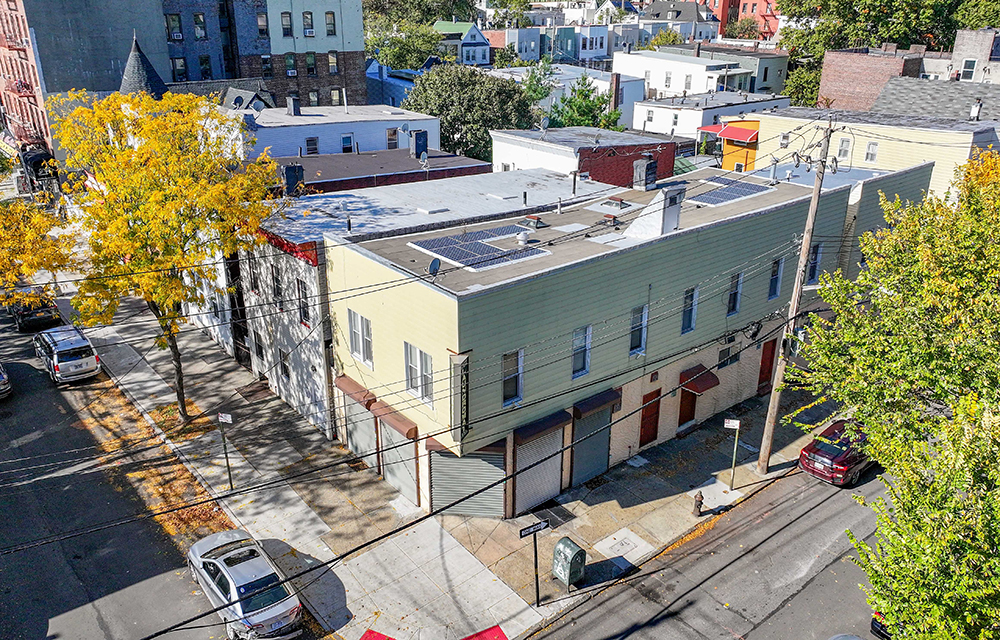
Investment Property Realty Group’s Team Friedman closes five Bronx sales totaling $5.3 million
Bronx, NY Investment Property Realty Group’s (IPRG) Team Friedman closed five sales totaling $5.3 million in the month of September. • 1707 Melville St. sold for $1.35 million. Located in Van Nest, the property



Quick Hits
 (2).gif)

Columns and Thought Leadership

A guide to finding the right NYC property management company - by Sanjay Gandhi
Being a small to midsize landlord in NYC is an increasingly demanding endeavor. From navigating complex regulations, increased compliance demands to dealing with tenant issues and remediating violations. It is wise to enlist the assistance of a partner, a professional

New York’s streets are full again, and the retail numbers prove it - by Noam Aziz
Walk down any New York block this year and you can feel it. The sidewalks are crowded, the storefronts are lit, and the energy that defines this city is back at full volume.

Positive forecast for New York’s pro-housing push? - by Philip Butler
New York’s housing crisis remains a hot button topic despite growing consensus that varied and affordable housing is desperately needed statewide. Governor Hochul has recently introduced several initiatives to overcome N.Y.’s anti-housing

Hunt commercial real estate question and answer: Fortune 500 wisdom - by David Hunt
Yes, there are lessons to be learned from the largest companies in America when comes to managing your real estate. But the decision to buy or lease real estate may not be one of
.gif)
September Promotion
