



News:
Brokerage
Posted: February 29, 2008
BIM technology acts as a live project model
As architectural drawings continue to shift further away from the drafting table and onto computers, project designs have become more complex. Today live, 3-D models are the benchmark. As a result, new computer technology, such as Building Information Modeling (BIM), has drastically grown in significance for the design and construction industries. Creating the ultimate project model, BIM improves the quality of the buildings, reducing the cost of the design and maintaining them through the creation of a collaborative environment for the building owners, design teams, contractors and facility managers.
BIM acts as a robot, fabricating information as it is input by several different trades, making it easier to recognize mistakes and constructability issues and resolve them before they become a problem. By functioning as a living document, the system has helped the development and construction industries evolve. A leader in design technology, HOK has incorporated BIM into its sustainable policies, integrating and promoting the system company-wide to improve quality, reduce waste and further our quest for energy and resource efficient projects.
By training all our staff in the use of BIM software in conjunction with other design systems, we are able to meet strict deadlines and stay within development budgets, always an important task in our industry.
HOK NY is currently using BIM on the designs of the Niagara Falls courthouse as well as significant corporate headquarter projects throughout the country.
HOK's work on the King Abdullah University of Science and Technology (KAUST) project is a perfect example of how BIM is making more efficient collaboration between teams a reality. Thirty different HOK offices from around the world are designing different parts of this project and BIM has enabled us to move the platform around between different teams. The HOK NY office, alone, has a staff of 12 designing the wall plans for the entire school and BIM has helped to ensure that our design seamlessly merges within our own structures, as well as with the rest of the project's designs.
By using this system, accurate information is readily available, communication is clear and timely, and decisions can be made earlier before their cost implications become significant. The system also records programmatic data, defines the building's form and spaces, analyzes costs and energy performance, and serves many other kinds of useful purposes.
BIM is a terrific project delivery tool - using its business and legal framework to support the collaborative process and its computer software to create the model and produce the documents has revolutionized the building process. Overall, this system saves time and money by not only animating the building, but also showing how everything is connected before the building is actually built.
Kenneth Drucker is a senior principal, director of design, at HOK NY, New York, N.Y.
Tags:
Brokerage
MORE FROM Brokerage
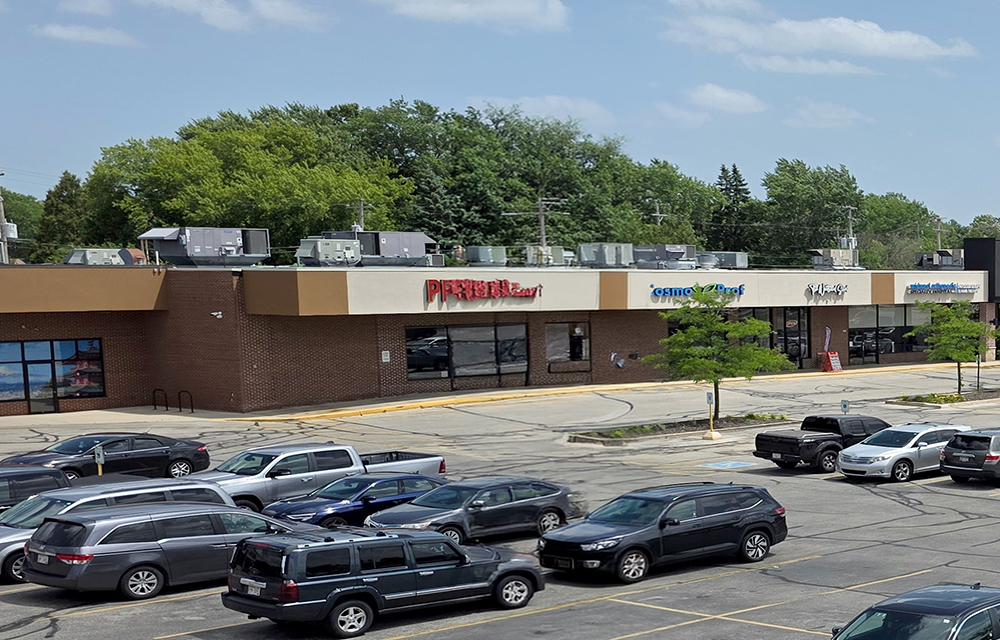
United Properties Corp. expands Wisconsin and Illinois retail presence adding 200,000 s/f
West Allis, WI United Properties Corp. completed two retail acquisitions totaling $27.4 million across Illinois and Wisconsin, adding 205,000 s/f of shopping center space to its portfolio






Quick Hits
 (2).gif)

Columns and Thought Leadership

Positive forecast for New York’s pro-housing push? - by Philip Butler
New York’s housing crisis remains a hot button topic despite growing consensus that varied and affordable housing is desperately needed statewide. Governor Hochul has recently introduced several initiatives to overcome N.Y.’s anti-housing

A guide to finding the right NYC property management company - by Sanjay Gandhi
Being a small to midsize landlord in NYC is an increasingly demanding endeavor. From navigating complex regulations, increased compliance demands to dealing with tenant issues and remediating violations. It is wise to enlist the assistance of a partner, a professional

Hunt commercial real estate question and answer: Fortune 500 wisdom - by David Hunt
Yes, there are lessons to be learned from the largest companies in America when comes to managing your real estate. But the decision to buy or lease real estate may not be one of

New York’s streets are full again, and the retail numbers prove it - by Noam Aziz
Walk down any New York block this year and you can feel it. The sidewalks are crowded, the storefronts are lit, and the energy that defines this city is back at full volume.
.gif)