



News:
Brokerage
Posted: September 13, 2022
BFNHS’ $2.4 million Cigar Factory Apartments completed - 11 units
 Buffalo, NY Governor Kathy Hochul said that a $2.4 million mixed-use development that brings 11 affordable homes and new commercial space to the city’s East Side has been completed. Cigar Factory Apartments consists of the redevelopment of the historic Jankowski Cigar Factory site and the new construction of an adjacent building.
“This development is a major component of our commitment to doing right by East Buffalo,” governor Hochul said. “Thanks to $2 million in state funding, the Cigar Factory Apartments have transformed an old cigar plant into beautiful, safe, affordable homes. With today’s grand opening, in addition to the $50 million to support homeowners and revitalize commercial districts, we are investing in East Buffalo to uplift the entire community.”
The Cigar Factory Apartments complement governor Hochul’s plans to make housing more affordable, equitable, and stable. In the 2022-23 state budget, the governor introduced and successfully secured a new $25 billion, five-year, comprehensive housing plan that will increase housing supply by creating or preserving 100,000 affordable homes across New York including 10,000 with support services for vulnerable populations, plus the electrification of an additional 50,000 homes.
The Cigar Factory Apartments includes seven one-bedroom and four two-bedroom apartments, plus a small ground floor coffee shop. All apartments are affordable to households with incomes below 50% of the area median income.
The cigar factory site, located at 595 Fillmore Ave., was purchased by Broadway Fillmore Neighborhood Housing Services (BFNHS) in 2015, but much of the building was destroyed by fire a few weeks later. BFNHS was able to save two buildings at the rear of the property, including a brick building where tobacco leaves were cured and prepared for rolling. BFNHS subsequently acquired the adjacent site at 591 Filmore. The development sits at the primary gateway to the city’s historic Central Terminal, which will soon be redeveloped with over $60 million in State Regional Revitalization Partnership (RRP) funding the governor said in June, and is near the century-old Broadway Market, which will also receive $37 million for capital improvements from the RRP.
State financing for Cigar Factory Apartments included $1.9 million in HOME Local Program funding and $40,000 from the Rural and Urban Community Investment Fund from New York State Homes and Community Renewal. The New York State Energy Research and Development Authority has committed $11,000 in support through its Low-rise Residential New Construction program. HomeFront provided $160,000 and the city of Buffalo provided $11,000.
New York State Homes and Community Renewal commissioner RuthAnne Visnauskas said, “Cigar Factory Apartments are a valuable component of the state’s ongoing investment in Buffalo’s East Side. This development provides safe and comfortable affordable homes for the 11 households who now live here and has created valuable commercial space at a strategic location in the Broadway-Fillmore neighborhood. We applaud governor Hochul for her ongoing commitment to the East Side community and thank our partners at Broadway Fillmore Neighborhood Housing Services for their support in making this development possible.”
Doreen Harris, president and CEO at the New York State Energy Research and Development Authority, said, “With the grand opening of Cigar Factory Apartments, residents of Buffalo’s East Side now have greater access to affordable housing that is energy efficient and environmentally responsible, demonstrating historic buildings can be brought into a clean energy future. NYSERDA is pleased to support this project, and others like it, to ensure that New York’s most vulnerable citizens are benefiting from the state’s transition to a carbon-neutral economy with healthy, resilient, and climate friendly buildings to live in.”
Stephen Karnath, executive director of BFNHS and HomeFront, Inc. said, “This project has overcome a lot of obstacles to get to this day, including a devastating fire shortly after we acquired it, and a pandemic which significantly slowed the pace of construction. It may be a small project, but we believe it can be transformational. It echoes its past as a cigar store and family home, and it offers a gateway to the future of the Broadway Fillmore neighborhood.”
Tags:
Brokerage
MORE FROM Brokerage
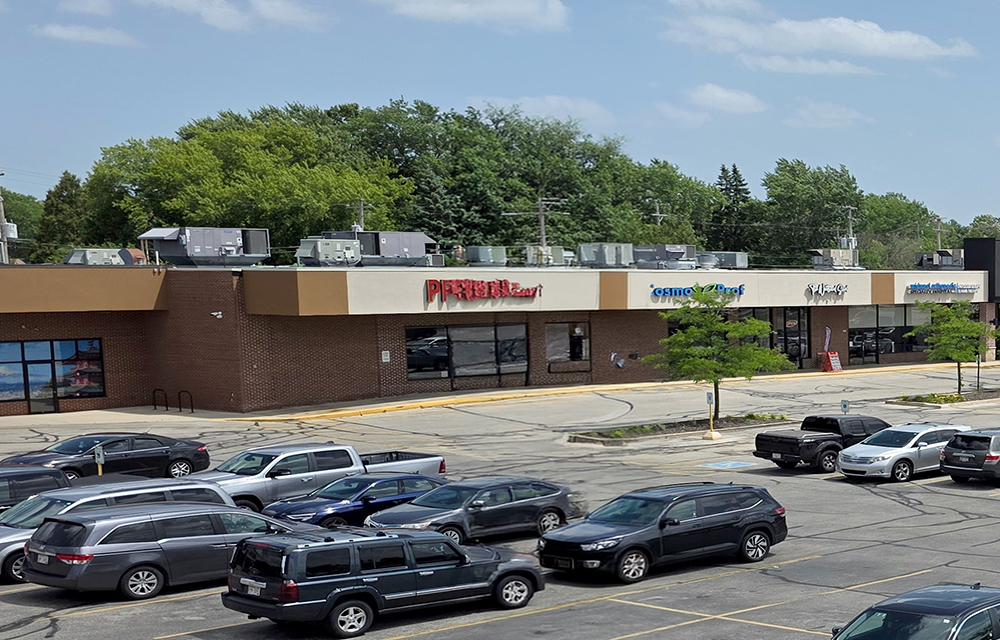
United Properties Corp. expands Wisconsin and Illinois retail presence adding 200,000 s/f
West Allis, WI United Properties Corp. completed two retail acquisitions totaling $27.4 million across Illinois and Wisconsin, adding 205,000 s/f of shopping center space to its portfolio



Columns and Thought Leadership

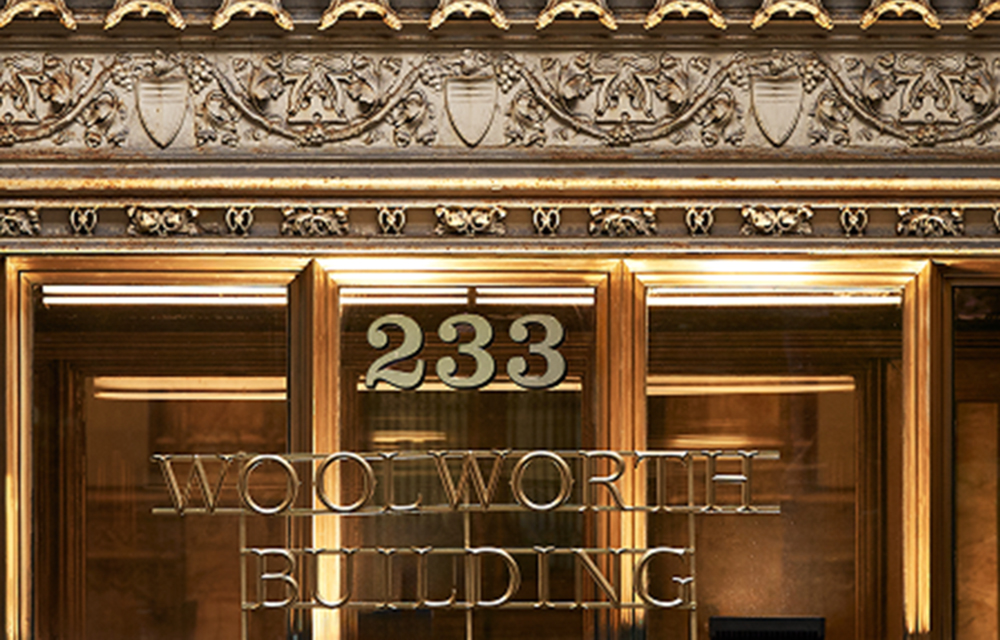
New York’s streets are full again, and the retail numbers prove it - by Noam Aziz
Walk down any New York block this year and you can feel it. The sidewalks are crowded, the storefronts are lit, and the energy that defines this city is back at full volume.

Hunt commercial real estate question and answer: Fortune 500 wisdom - by David Hunt
Yes, there are lessons to be learned from the largest companies in America when comes to managing your real estate. But the decision to buy or lease real estate may not be one of

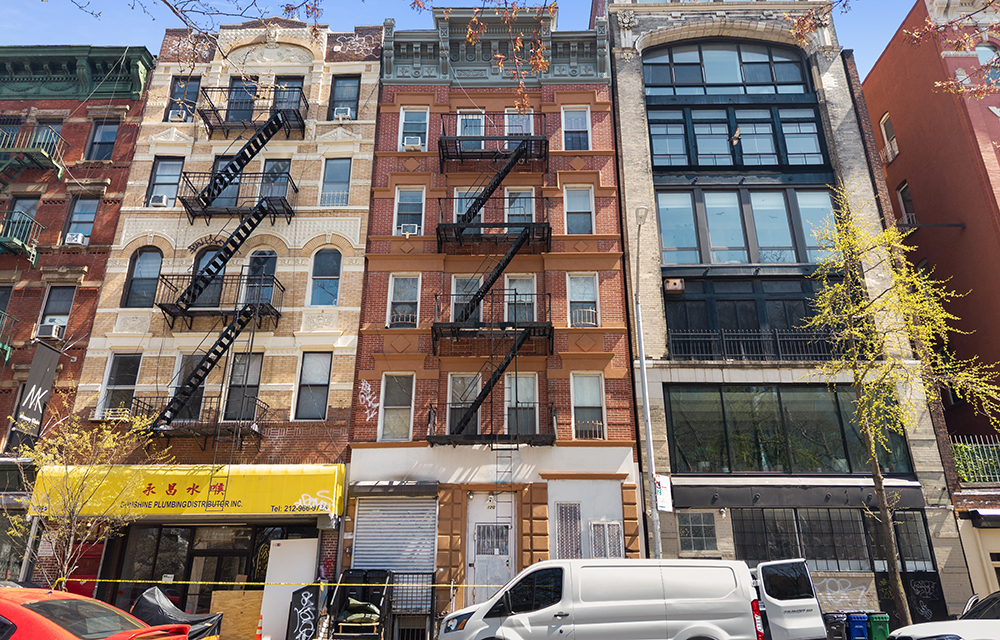
A guide to finding the right NYC property management company - by Sanjay Gandhi
Being a small to midsize landlord in NYC is an increasingly demanding endeavor. From navigating complex regulations, increased compliance demands to dealing with tenant issues and remediating violations. It is wise to enlist the assistance of a partner, a professional

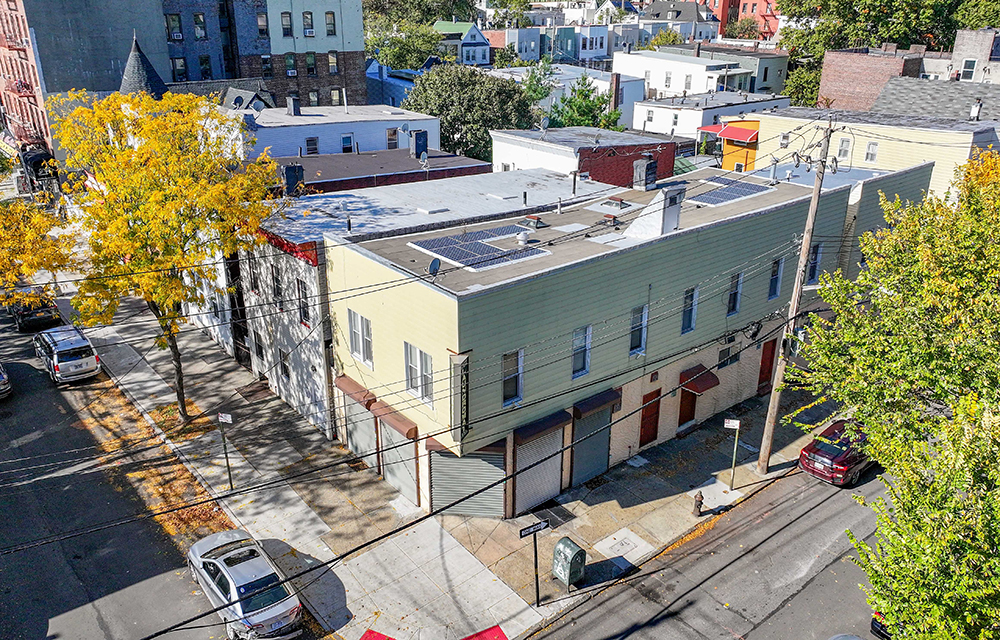
Positive forecast for New York’s pro-housing push? - by Philip Butler
New York’s housing crisis remains a hot button topic despite growing consensus that varied and affordable housing is desperately needed statewide. Governor Hochul has recently introduced several initiatives to overcome N.Y.’s anti-housing
.gif)