



News:
Brokerage
Posted: January 25, 2022
Bestreich Realty Group brokers six transactions totaling $24.9 million
New York, NY Bestreich Realty Group (BRG) closed the following transactions:
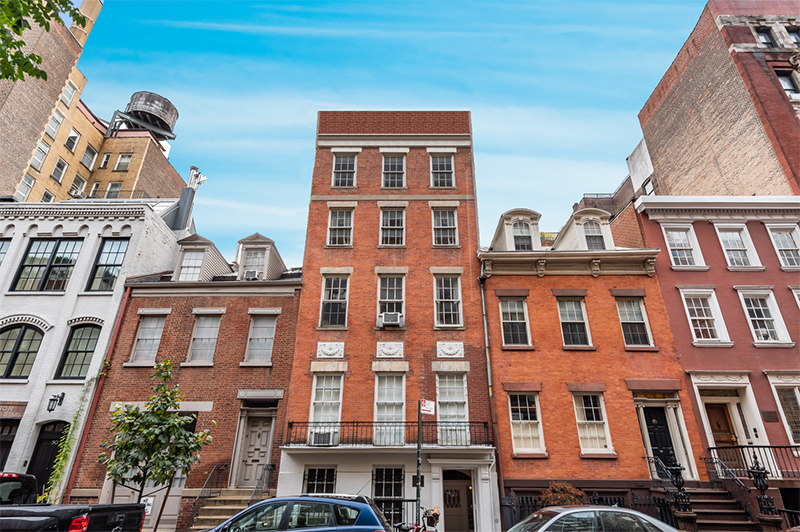
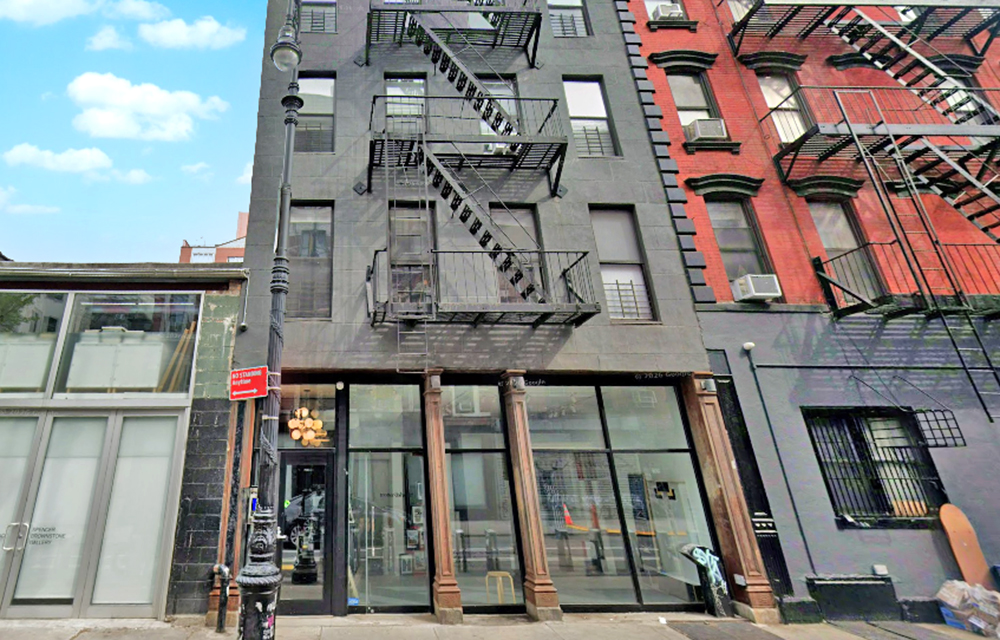
54 West 10th St. in Greenwich Village sold for $6 million. This property is located between 5th Ave. and 6th Ave. This multifamily building consists of 10 apartments and has total 5,500 s/f (priced at $1,090 per s/f.) This building was sold by the Matera Family. Zachary Ziskin, Adam Lobel, Justin Zeitchik, Eli Zempsky and Ed Nelson facilitated both sides of the transaction.
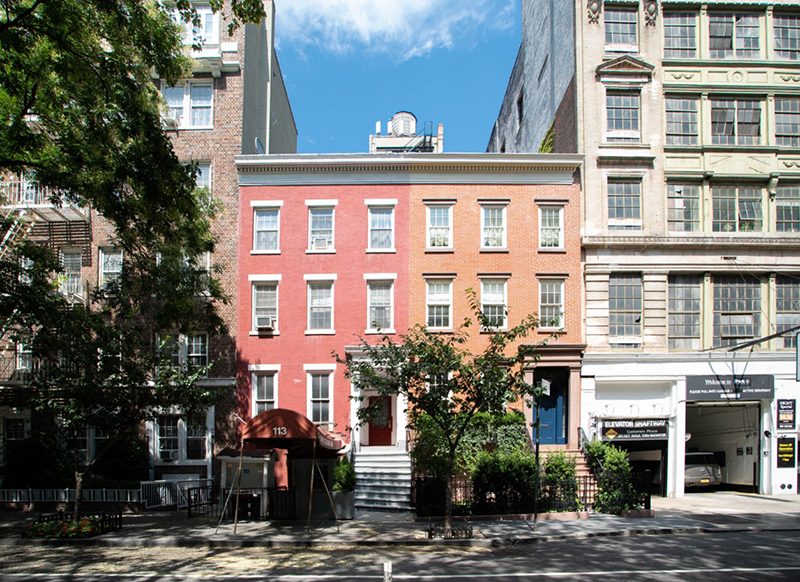
113 West 13th St. in Greenwich Village for $5 million. This property is located between 6th and 7th Ave. This mixed-use building consists of three apartments and one store totaling total 4,760 s/f, priced at $1,050 per s/f. Ziskin, Lobel and Zeitchik facilitated both sides of the transaction.
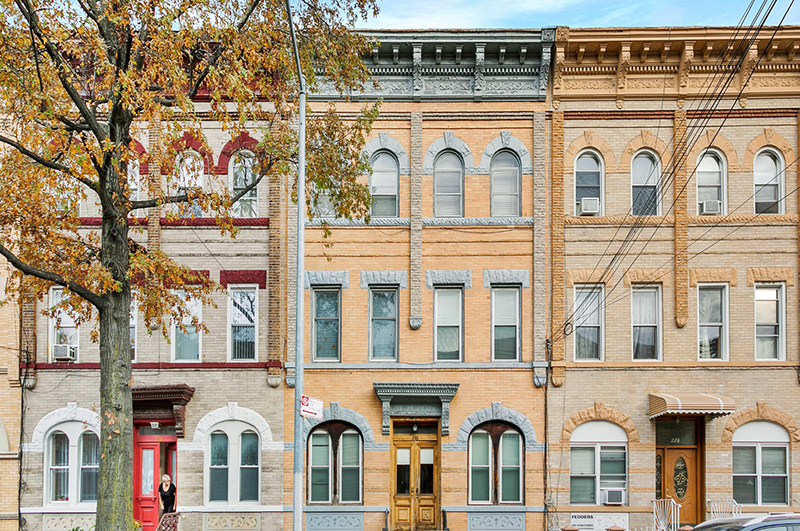
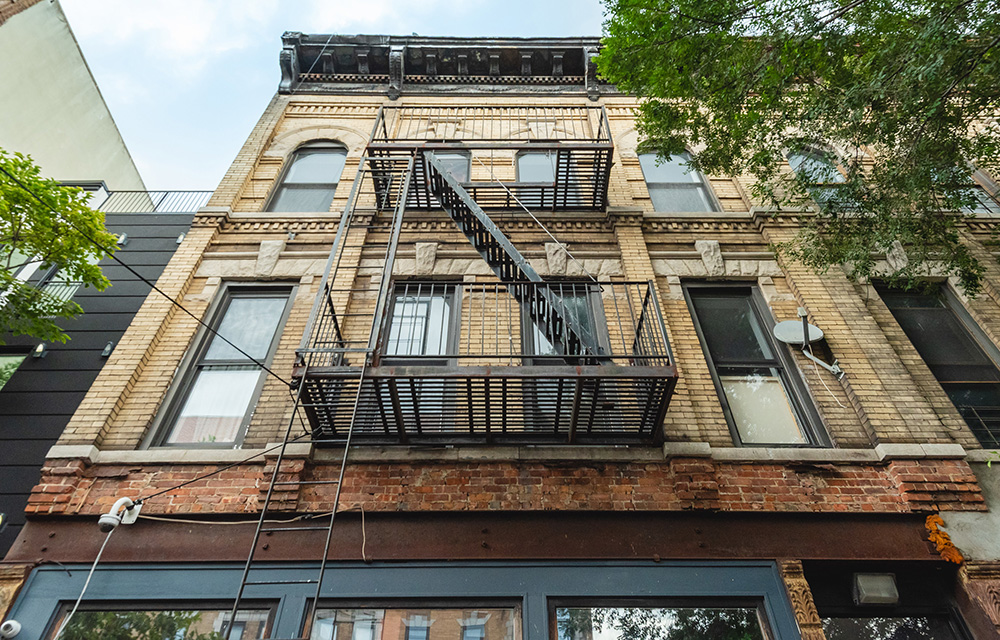
236 Kinglsand Ave. in Greenpoint sold for $4.55 million. This multifamily building consists of six apartments and totals 4,875 s/f, priced at $933 per s/f and $758,333 per unit. Ari Harkov from Brown Harris Stevens acted for the buyer. Derek Bestreich, Luke Sproviero, Donal Flaherty, Hakeem Lecky amd Corey Haynes acted for the seller.
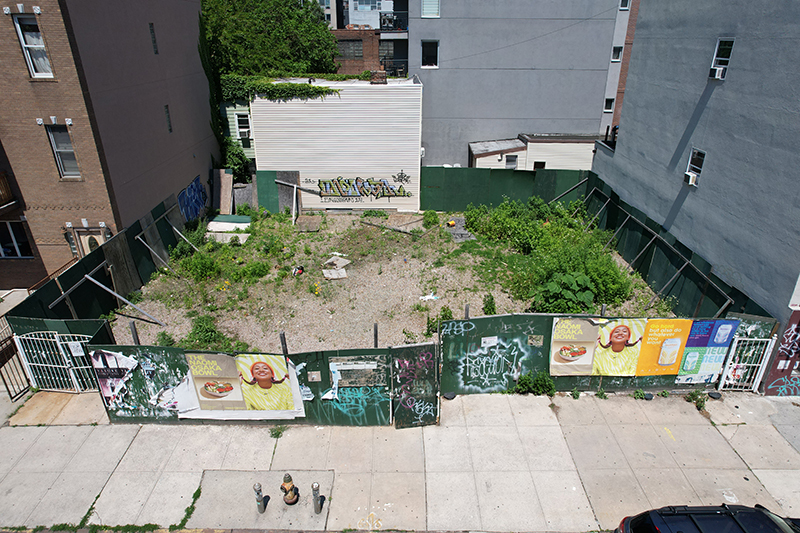
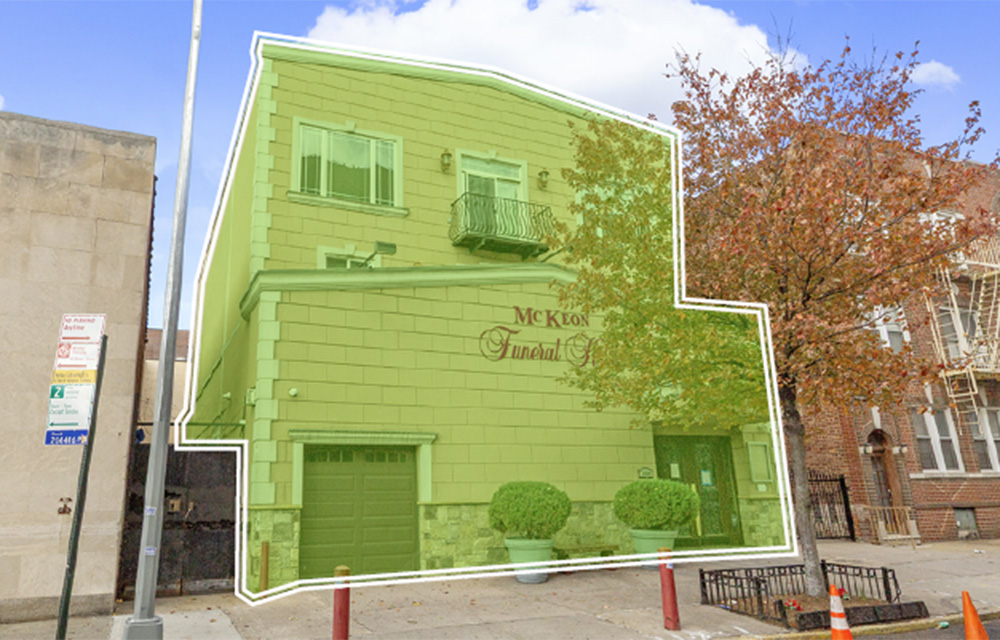
6-8 Havemeyer St. in Williamsburg, Brooklyn sold for $4.35 million. This development site has total 9,045 buildable s/f, priced at $481 per s/f. Bestreich, Sproviero, Flaherty, Lecky and Haynes acted for the seller. Paul Henry and Tom Finnican from Patoma acted for the buyer.
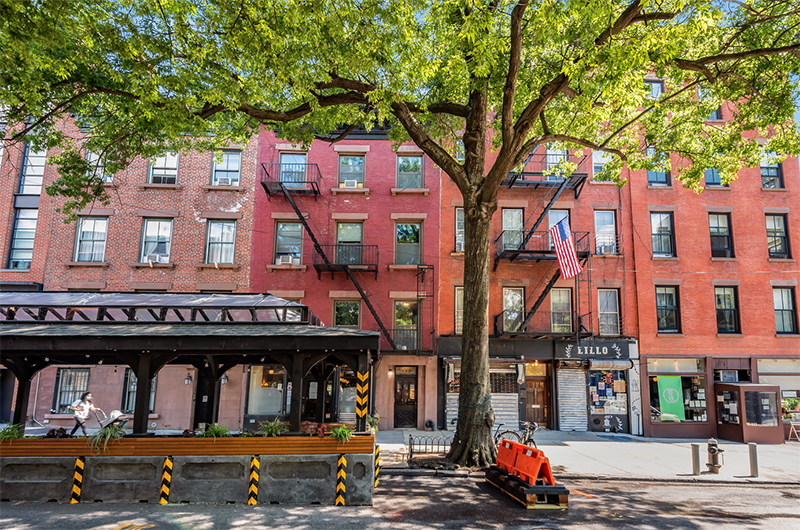
329 Henry St. in Cobble Hill sold for $3.4 million. This mixed-use building consists of six apartments and totals 5,000 s/f, priced at $680 per s/f and $566,667 per unit. This building was sold by the Manassa Family. Bestreich, Sproviero, Lobel, Toby Waring, Gabriel Kates and Daniel Shawah facilitated both sides of the transaction.
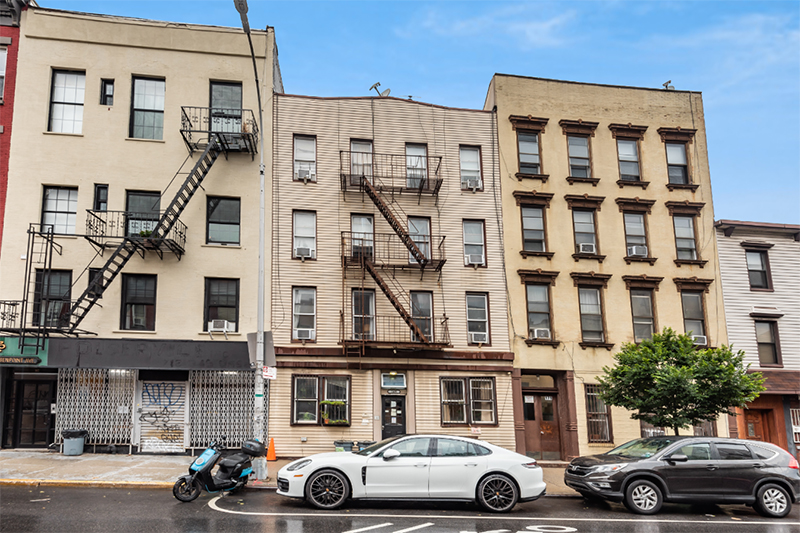
169 Greenpoint Ave. in Greenpoint, Brooklyn sold for $1.6 million. This multifamily building consists of eight apartments with total 4,800 s/f, priced at $333 per s/f. Bestreich, Sproviero, Flaherty, Lecky and Haynes facilitated both sides of the transaction.
Tags:
Brokerage
MORE FROM Brokerage
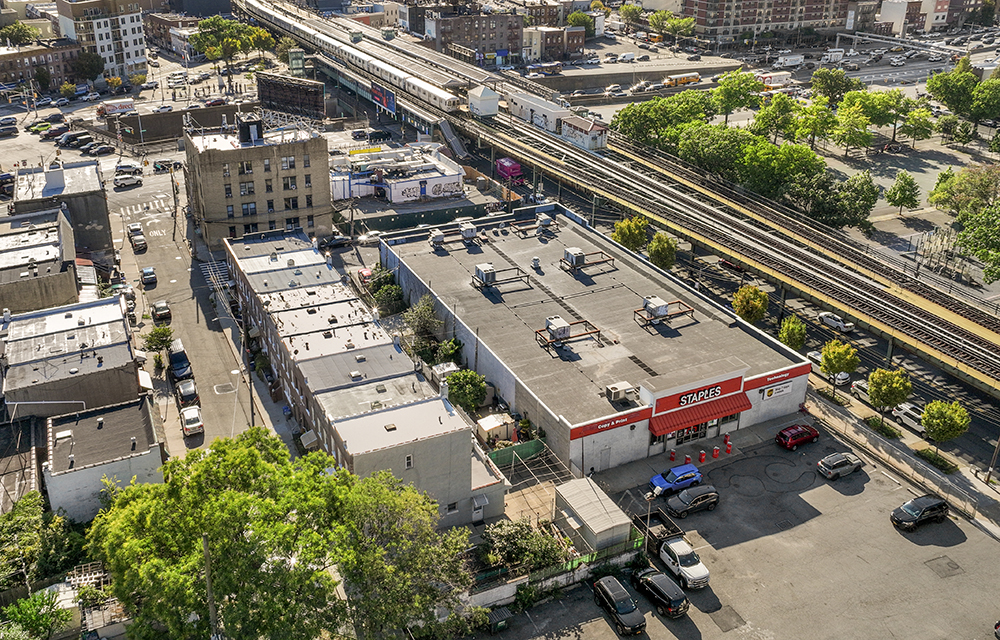
Investment Property Realty Group represents The Vaja Group in $26.4 million acquisition of fully entitled Astoria development site
Queens, NY Investment Property Realty Group (IPRG) arranged The Vaja Group’s $26.39 million acquisition of 24-41 31st St., a fully entitled development site in Astoria. The 29,638 s/f site traded for $176 per buildable s/f.


 (2).gif)

Columns and Thought Leadership

Hunt commercial real estate question and answer: Fortune 500 wisdom - by David Hunt
Yes, there are lessons to be learned from the largest companies in America when comes to managing your real estate. But the decision to buy or lease real estate may not be one of

Positive forecast for New York’s pro-housing push? - by Philip Butler
New York’s housing crisis remains a hot button topic despite growing consensus that varied and affordable housing is desperately needed statewide. Governor Hochul has recently introduced several initiatives to overcome N.Y.’s anti-housing

A guide to finding the right NYC property management company - by Sanjay Gandhi
Being a small to midsize landlord in NYC is an increasingly demanding endeavor. From navigating complex regulations, increased compliance demands to dealing with tenant issues and remediating violations. It is wise to enlist the assistance of a partner, a professional

New York’s streets are full again, and the retail numbers prove it - by Noam Aziz
Walk down any New York block this year and you can feel it. The sidewalks are crowded, the storefronts are lit, and the energy that defines this city is back at full volume.
.gif)
September Promotion
