



News:
Brokerage
Posted: August 27, 2024
Bayview PACE closes $3.5 million C-PACE retrofit financing
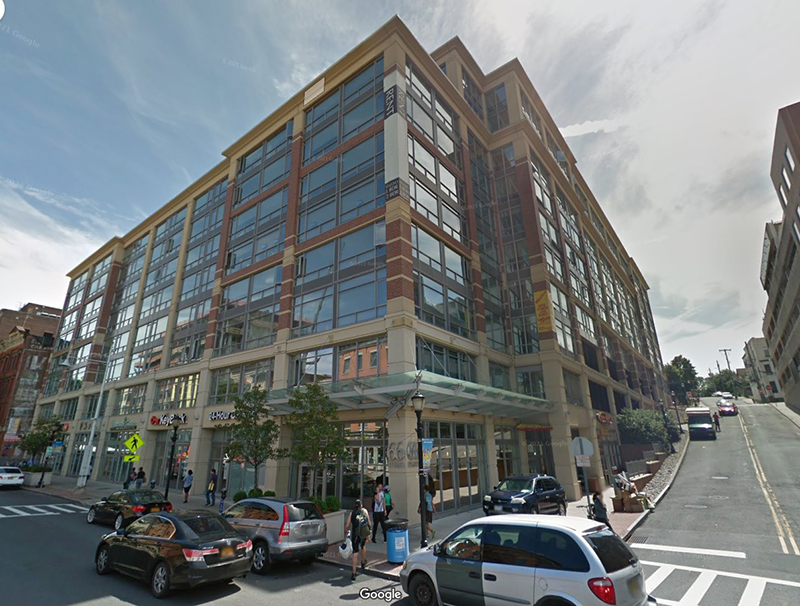
Yonkers NY Bayview PACE closed $3.5 million in C-PACE financing to fund energy efficiency, HVAC repairs and replacements for 66 Main St., a 17-year-old apartment and retail mixed-use property.
Commercial Property-Assessed Clean Energy financing (C-PACE) offers favorable and cost-effective terms for qualified improvements in energy, lighting, water systems, building envelope and other resiliency components. More often applied to new construction, it is increasingly popular for use in addressing repairs and equipment replacements in older buildings, such as with 66 Main.
The 10-story building features 170 multifamily units and six retail shops comprising 19,900 s/f on the ground floor. Built in 2008, 66 Main’s amenities include a fitness center, basketball court, a community room, media room, and rooftop common terrace as well as a connected 154-space parking garage.
66 Main is located in the Downtown Waterfront District, two blocks from the Yonkers MTA Metro-North station that is 25 minutes from New York City’s Grand Central Terminal. Featuring a blend of suburban and urban accessibility, it is also walking distance to a plethora of restaurants, shops, and cultural venues.
Bayview worked with EIC Open C-PACE to close the C-PACE loan. EIC Open C-PACE is operated by Energy Improvement Corp. (EIC), a New York State non-profit local development corporation which provides long-term alternative financing to fund clean energy projects in commercially owned buildings for the benefit of member municipalities including counties and cities across New York state.
“Use of C-PACE for retroactively financing repairs and equipment replacement has become increasingly common in the past 12 to 18 months.66 Main is a great example of the flexibility that PACE can provide to both developers and lenders,” said Tim Finiki of Bayview PACE. “Many developers and lenders that I speak with don’t know that we can fund improvements up to three years from the date of completion. Bayview PACE used a combination of retroactive PACE and also funded future PACE-eligible tenant improvements to provide a unique and viable solution.”
C-PACE financings to date in the U.S. exceed well over $7 billion, according to PACEnation. It has been approved through legislation in 39 states, gaining popularity among real estate owners and the financial institutions looking to serve them.
Tags:
Brokerage
MORE FROM Brokerage
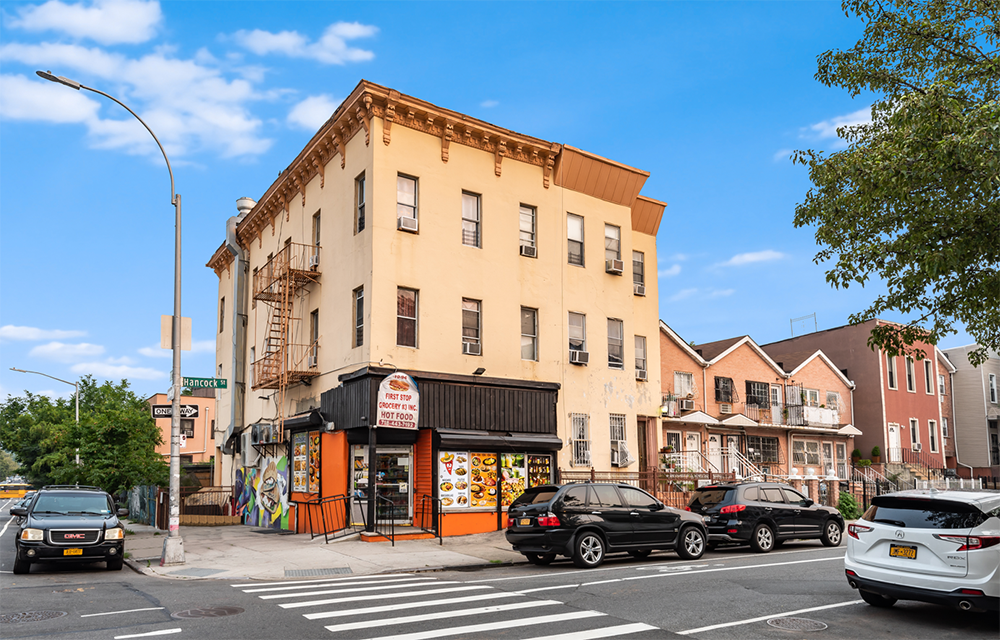
Investment Property Realty Group closes $1.75 million sale of 1094 Hancock Street in Brooklyn
Brooklyn, NY Investment Property Realty Group (IPRG), a New York-based commercial investment firm, has closed the sale of 1094 Hancock St., a mixed-use building in the Bushwick section, for $1.75 million.




Quick Hits

Columns and Thought Leadership

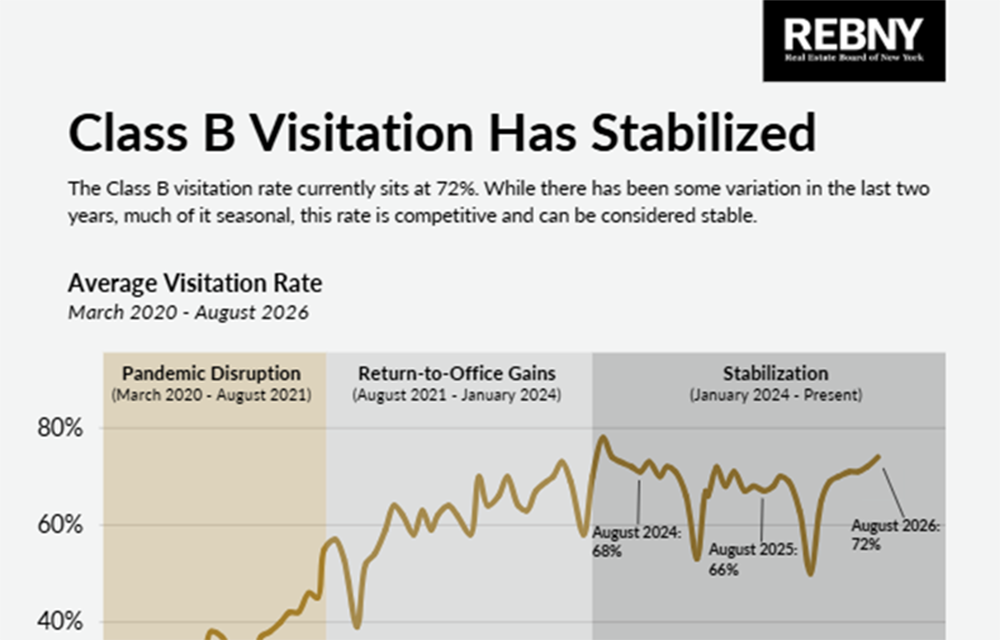
New York’s streets are full again, and the retail numbers prove it - by Noam Aziz
Walk down any New York block this year and you can feel it. The sidewalks are crowded, the storefronts are lit, and the energy that defines this city is back at full volume.

Hunt CRE question and answer: Choosing a real estate agent - by David Hunt
First, we will only work with one agent exclusively. The primary reason is that we want that agent to legally represent our client’s interests. In New York State, a real estate agent has a fiduciary

Hunt commercial real estate question and answer: Fortune 500 wisdom - by David Hunt
Yes, there are lessons to be learned from the largest companies in America when comes to managing your real estate. But the decision to buy or lease real estate may not be one of

A guide to finding the right NYC property management company - by Sanjay Gandhi
Being a small to midsize landlord in NYC is an increasingly demanding endeavor. From navigating complex regulations, increased compliance demands to dealing with tenant issues and remediating violations. It is wise to enlist the assistance of a partner, a professional
.gif)