



News:
Brokerage
Posted: May 26, 2026
Avison Young arranges sale of vacant parking garage for $57 million

Manhattan, NY Avison Young arranged the sale of an 8,850 s/f site located at 60 North Moore St. in Tribeca for $57 million. The lot, which has over 100-ft.of frontage between Hudson and Greenwich Sts., hosts a vacant five-story car garage with city-approved plans for two additional floors totaling over 63,000 s/f of buildable interior space.
The buyer, Alchemy Properties, along with partners Daishin America and Takamatsu Construction Group USA, plans to conduct a gut renovation and convert the property into a boutique, ultra-luxury condominium with private, dedicated parking for each residence, which includes the Landmarks-approved addition of two floors. President and founder of Alchemy Properties, Kenneth Horn, worked on behalf of Alchemy Properties.
Avison Young’s Charles Kingsley, James Nelson, Erik Edeen, Eric Karmitz and Noah Kossoff arranged the transaction on behalf of the seller, 56 N Moore LLC.
Notably, this disposition is one of many luxury residential conversion transactions that Avison Young’s Tri-State investment sales team has facilitated in Manhattan recently including 68-76 King St. for $63 million to Avdoo and East 79th St. and Lexington Avenue for $62.5 million to Closer Properties.
“This transaction is the result of a thoughtful, year-long effort to reposition an underutilized asset in one of New York City’s most sought-after residential neighborhoods,” said Kingsley. “The strong pricing achieved speaks directly to the depth of demand for ultra-luxury housing and reflects growing confidence among investors and developers as the Manhattan market continues to gain momentum.”
Property sales in Manhattan started off the year strong with 92 transactions totaling over $3.7 billion in the first quarter, marking the strongest three-month period since 2021 according to Avison Young’s Q1 Manhattan property sales report.
MORE FROM Brokerage
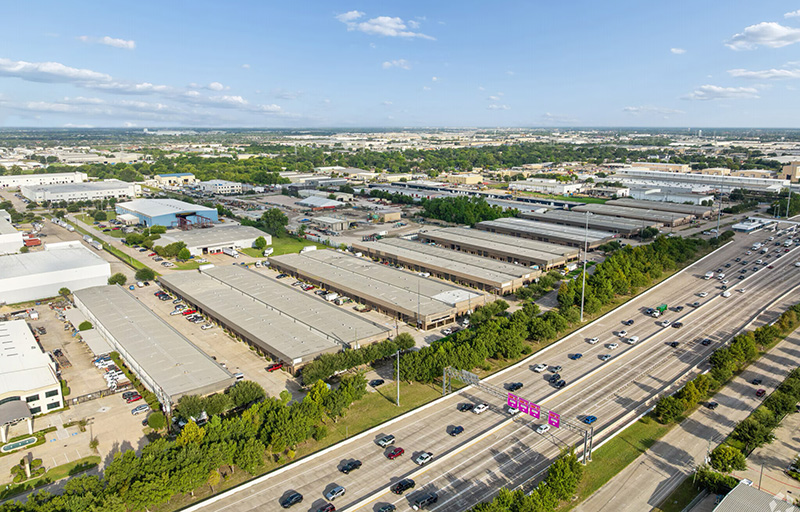
Simi Capital enters Texas with acquisition of 359,000 s/f small-bay industrial portfolio in Northwest Houston
Houston, TX Simi Capital acquired a three-property, 359,000 s/f small-bay industrial portfolio. The transaction, completed in a joint venture with Decker Capital, marks Simi




Columns and Thought Leadership

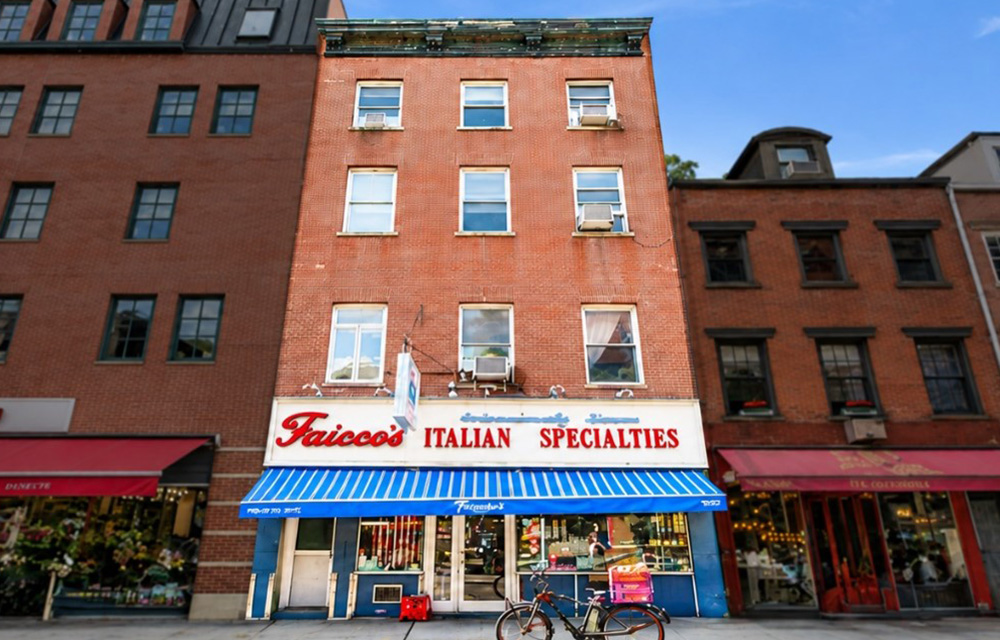
Hunt commercial real estate question and answer: Fortune 500 wisdom - by David Hunt
Yes, there are lessons to be learned from the largest companies in America when comes to managing your real estate. But the decision to buy or lease real estate may not be one of

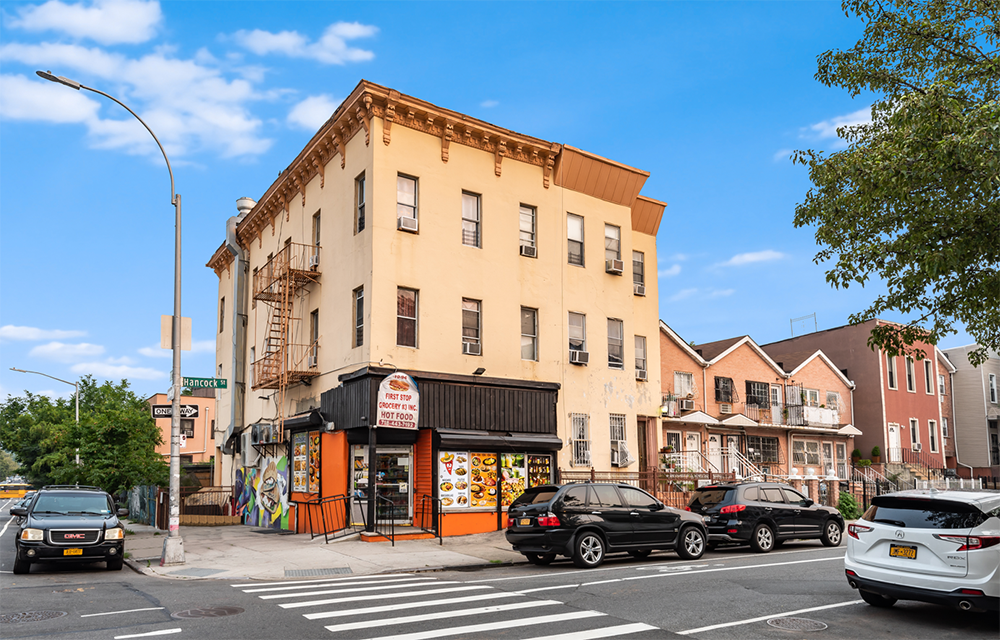
Hunt CRE question and answer: Choosing a real estate agent - by David Hunt
First, we will only work with one agent exclusively. The primary reason is that we want that agent to legally represent our client’s interests. In New York State, a real estate agent has a fiduciary

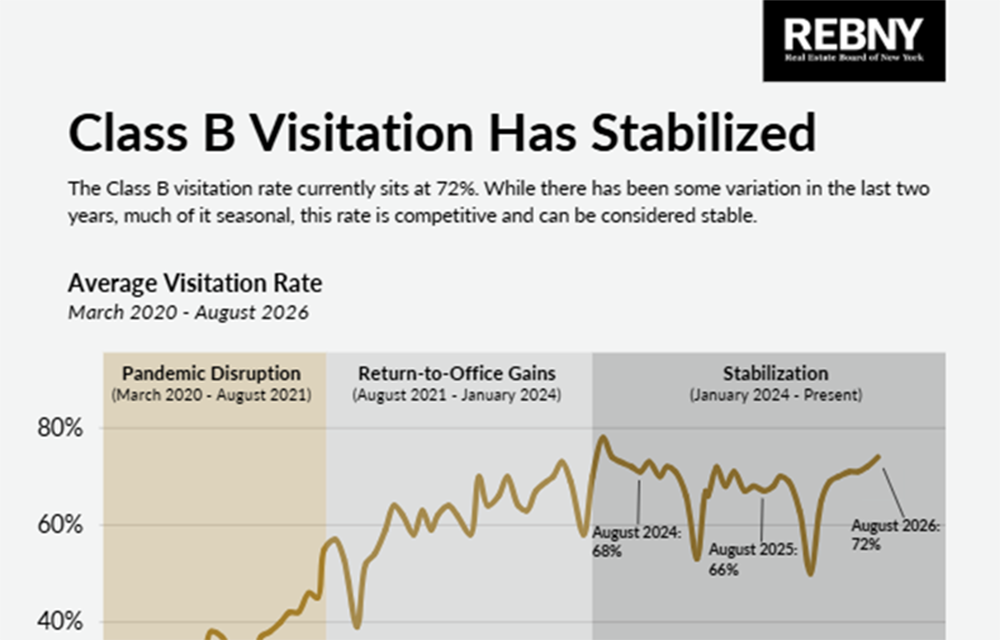
New York’s streets are full again, and the retail numbers prove it - by Noam Aziz
Walk down any New York block this year and you can feel it. The sidewalks are crowded, the storefronts are lit, and the energy that defines this city is back at full volume.

A guide to finding the right NYC property management company - by Sanjay Gandhi
Being a small to midsize landlord in NYC is an increasingly demanding endeavor. From navigating complex regulations, increased compliance demands to dealing with tenant issues and remediating violations. It is wise to enlist the assistance of a partner, a professional
.gif)