



News:
Brokerage
Posted: March 25, 2013
Astoria, not just the geographic heart of N.Y.C.
Astoria could easily be the world's most international neighborhood. Much like the melting pot that was once Manhattan, Astoria now best represents a tapestry of languages and diverse, tightly-knit communities.
Thanks to its central location and excellent connections to subways, highways and bridges, Astoria has been touted as the next big thing for decades. In the 2000s, it finally arrived. Even as numerous modern developments and renovation projects have been completed and are still being started, most of the building stock remains a low-lying mosaic of houses and medium-sized apartment blocks from various eras. While residential rentals are Astoria's meat-and-potatoes, industrial, office and commercial spaces keep going up and filling up.
Real estate prices have rebounded steadily since the meltdown and some areas now exceed 2007 levels. There are no vacancies along leafy 31st Ave. or the always-vibrant 30th Ave., where Little Athens prevails. But median prices in the $200 - $300 per s/f range are still available at sites adjacent to spots that have hit the high $400s. From 2011-2012, sales of properties priced at $1 million or more rose by 14% year-to-year, although median prices did not explode and vacancies remained stable. That suggests even more room for growth.
Several factors explain Astoria's high resiliency and appeal. In a special 2010 report for New York magazine by Nate Silver, the philosopher-king of data wonks, he ranked Astoria 11th out of New York's 50 most livable places, combining a mix of ratings for affordability and vitality.
The economy is vital along each of the major avenues in Central Astoria, with long strips of shops and professionals' practices beginning at Crescent St. and running past Steinway St. Practically a metaphor for brick-and-mortar retail, Steinway is undergoing a revival, with its own Little Cairo nestled around 25th Ave. On Ditmars, 30th Ave. and Broadway, people stream to and from subway stations for a Manhattanesque feel, but with a decidedly more youthful demographic.
During international soccer tournaments, you can tell who scored the latest goal by the direction and volume of the cheers. Argentina, Brazil, Croatia, Italy, Mexico and Spain are only a few of the countries whose fans have found a home here. After a red-coconut Thai meal, they might all meet for karaoke night at an Irish public house. Everyone benefits from the diversity of restaurants, schools, places of worship and cultural centers, from the legendary Bohemian Hall beer garden to the galleries clustering around Socrates Sculpture Park (which features outdoor summer movie nights).
It's great to have yoga centers, hookah bars, health-food stores, nail salons and nightclubs, but Astoria will never turn into a Williamsburg knock-off. This place is solid, safe and neighborly, with well-rooted families at its backbone. People want to make their homes here for the long term, and more and more investors know it. Professionals will continue to stream into Astoria as New York's population keeps growing. Major high-tech projects are slated for nearby precincts, such as the Cornell-Technion Applied Sciences Campus (coming to Roosevelt Island across the 36th Ave. Bridge).
Two of the city's best specialty public schools have opened up on the Astoria side of Long Island City, the Frank Sinatra School of the Arts and the Baccalaureate School for International Education. Both are near our "Hollywood on the East River," Kauffman Astoria Studios, which accounts for a major chunk of N.Y.C's film and TV production. Nearby is the newly-renovated Museum of the Moving Image.
The next hot spots are likely to be along the East River. The city is fashioning an uninterrupted shoreline promenade from the Queensboro Bridge to Astoria Park. This will link the several riverside parks, which are to be upgraded. Lincoln Equities is investing a billion dollars in ten acres of mixed-use high-rises at Halletts Point. Manhattan is at a perfect distance for spectacular views without the Manhattan premiums and attitude. The area from the river to 21st St., features surprisingly quiet havens and on the north end 19th-century manors.
Historians may yet marvel how in our time, Astoria and Long Island City became the new heart of New York.
Tags:
Brokerage
MORE FROM Brokerage
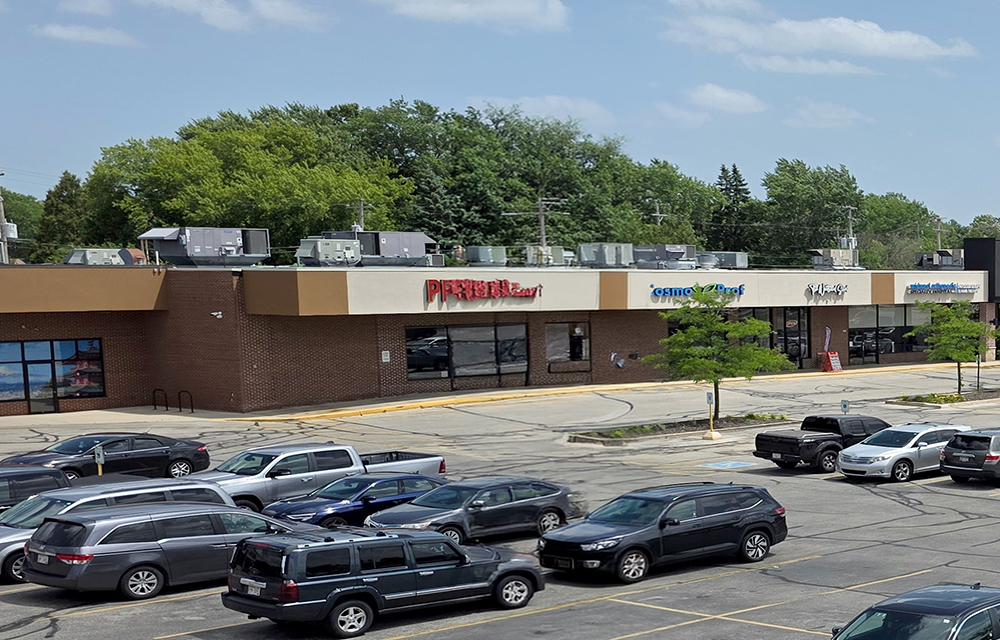
United Properties Corp. expands Wisconsin and Illinois retail presence adding 200,000 s/f
West Allis, WI United Properties Corp. completed two retail acquisitions totaling $27.4 million across Illinois and Wisconsin, adding 205,000 s/f of shopping center space to its portfolio


Quick Hits
 (2).gif)

Columns and Thought Leadership

A guide to finding the right NYC property management company - by Sanjay Gandhi
Being a small to midsize landlord in NYC is an increasingly demanding endeavor. From navigating complex regulations, increased compliance demands to dealing with tenant issues and remediating violations. It is wise to enlist the assistance of a partner, a professional

New York’s streets are full again, and the retail numbers prove it - by Noam Aziz
Walk down any New York block this year and you can feel it. The sidewalks are crowded, the storefronts are lit, and the energy that defines this city is back at full volume.

Positive forecast for New York’s pro-housing push? - by Philip Butler
New York’s housing crisis remains a hot button topic despite growing consensus that varied and affordable housing is desperately needed statewide. Governor Hochul has recently introduced several initiatives to overcome N.Y.’s anti-housing

Hunt commercial real estate question and answer: Fortune 500 wisdom - by David Hunt
Yes, there are lessons to be learned from the largest companies in America when comes to managing your real estate. But the decision to buy or lease real estate may not be one of
.gif)