



News:
Brokerage
Posted: June 22, 2010
Arnold K. Davis & Co. to resume use of original name effective May 1
The insurance broker that had been operating as AKD Insurance since 2006, will do business under its original name, Arnold K. Davis & Co., Inc., effective May 1, according to Robert Davis, president and sole owner.
The change will be seamless to customers, vendors and the insurance providers with whom the firm works.
Additionally, there will be no interruptions in service, which has resulted in a client retention rate of 94%.
"In an industry that sees purchasers of insurance frequently going from one company to another, we're especially proud that 90% of our clients have been with us for 20 years or more," Davis said.
Formed in New York City in 1954 by Davis' father, Arnold Davis, the company offers a broad range of personal and business insurance including property, casualty, life, disability and long-term care insurance, as well as group employee benefit plans and estate planning. It moved to Westchester in 2002 and now has a staff of eight experienced professionals.
Looking to the near-term future, Davis sees the firm expanding its business client roster through the delivery of cyber liability insurance products. He is also bullish about courting new customers in the restaurant industry, as well as attracting business and individual clients in New Jersey, where he recently hired a new insurance counselor.
"This is a great business to be in," he said. "Businesses and individuals will always need protection, changes in our external environments will always require the help of experts, and service providers with proven track records of building trust will always be looked to for assistance."
One of Westchester's more rapidly growing providers of insurance and asset protection, Arnold K. Davis & Co., Inc. works closely with 12 nationally known insurance carriers by providing clients with products best tailored to their situations and budgets. It also can tap its vast network of intermediaries to connect clients with any other insurance carrier in the country in order to prudently and economically cover all contingencies.
The company currently has a premium volume of more than $10 million and has been growing at an annual rate of 4% over the past five years despite the country's economic difficulties of the recent past.
Tags:
Brokerage
MORE FROM Brokerage
Sobel of RIPCO Real Estate signs Redefine Meals as newest tenant at New Hyde Park Place
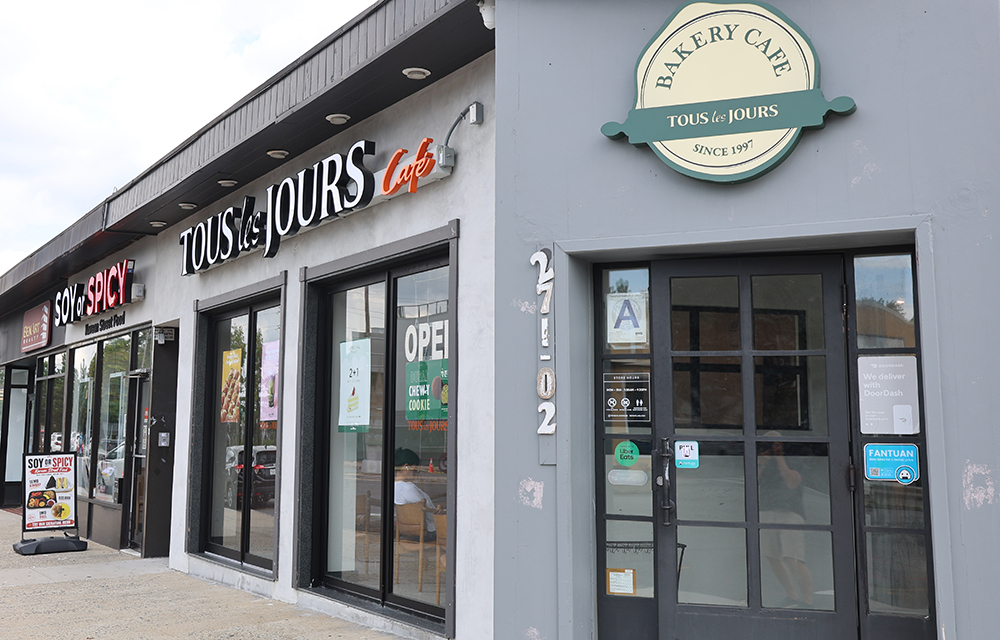
New Hyde Park, NY New Hyde Park Place, the rebranded commercial property at 271-02 Union Tpke.on the Nassau/Queens border, has signed new tenant Redefine Meals, the Long Island-based prepared-meal company, for a new 1,000 s/f location, starting on September




Quick Hits
 (2).gif)

Columns and Thought Leadership

A guide to finding the right NYC property management company - by Sanjay Gandhi
Being a small to midsize landlord in NYC is an increasingly demanding endeavor. From navigating complex regulations, increased compliance demands to dealing with tenant issues and remediating violations. It is wise to enlist the assistance of a partner, a professional

New York’s streets are full again, and the retail numbers prove it - by Noam Aziz
Walk down any New York block this year and you can feel it. The sidewalks are crowded, the storefronts are lit, and the energy that defines this city is back at full volume.

Positive forecast for New York’s pro-housing push? - by Philip Butler
New York’s housing crisis remains a hot button topic despite growing consensus that varied and affordable housing is desperately needed statewide. Governor Hochul has recently introduced several initiatives to overcome N.Y.’s anti-housing

Hunt commercial real estate question and answer: Fortune 500 wisdom - by David Hunt
Yes, there are lessons to be learned from the largest companies in America when comes to managing your real estate. But the decision to buy or lease real estate may not be one of
.gif)
September Promotion
