



News:
Brokerage
Posted: December 17, 2019
Arker Cos. celebrates with NYCHA turkey donations
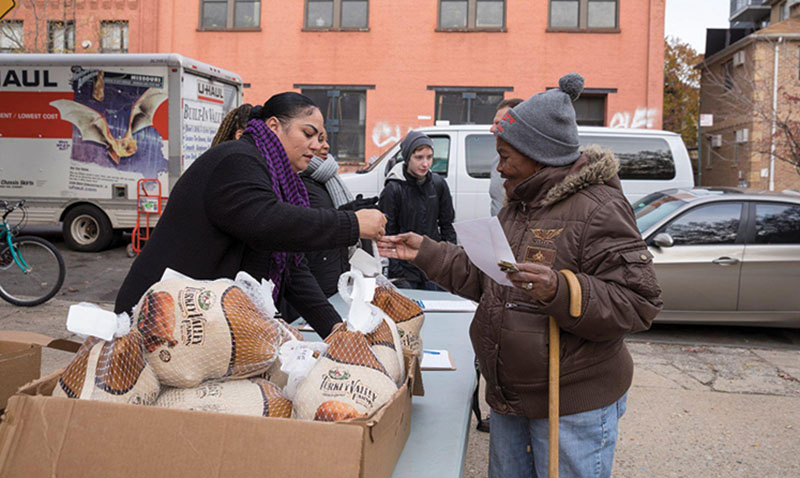 Brooklyn, NY To celebrate Thanksgiving, the Arker Cos., in partnership with Omni New York, Dabar Development Partners and Bedford Stuyvesant Restoration Corp., hosted a giveaway of over 2,600 turkeys to New York City Housing Authority (NYCHA) residents in nine developments across the borough. The Arker Cos. and partners were selected earlier this year to repair, refurbish and manage these NYCHA sites as part of the Permanent Affordability Commitment Together (PACT) program.
The turkey donation aims to bring a bit of holiday cheer ahead of the anticipated completion of the NYCHA PACT with the building portfolio. Expected to begin early next year, all 2,625 apartments will see full kitchen, bathroom, window and floor repairs, as well as building wide improvements, such as elevators, security, and heating system upgrades. Overall more than 6,300 residents will benefit from the program.
“Our turkey giveaway is a great opportunity to celebrate Thanksgiving and this new partnership,” said Simon Bacchus of The Arker Cos. “We are excited to get to work on these critical repairs and modern amenities for the thousands of New Yorkers who live in the Brooklyn PACT bundle.
Every family was offered a turkey who lives in the nine NYCHA developments included in the borough’s PACT portfolio:
- Armstrong I,
- Armstrong II,
- Weeksville Gardens,
- Berry St.-South 9th St.,
- Marcy Ave.-Greene Ave. Site A,
- Marcy Ave.-Greene Ave.Site B,
- 572 Warren St.,
- Independence Towers, and
- Williams Plaza
In May, NYCHA selected Brooklyn Housing Preservation Experience LLC, a joint venture with the Arker Cos., Omni New York LLC, Dabar Development Partners, and Bedford Stuyvesant Restoration Corp. to oversee the development, management, and social services plans for the PACT portfolio.
Launched in 2015, PACT is one of three main tools under NYCHA 2.0 to help drive much-needed money into public housing infrastructure citywide while safeguarding long-standing tenant rights and protections. PACT allows NYCHA to completely renovate developments using HUD Section 8 conversion programs by shifting the apartments to project-based Section 8 funding, and the buildings will be managed by the partners.
Tags:
Brokerage
MORE FROM Brokerage
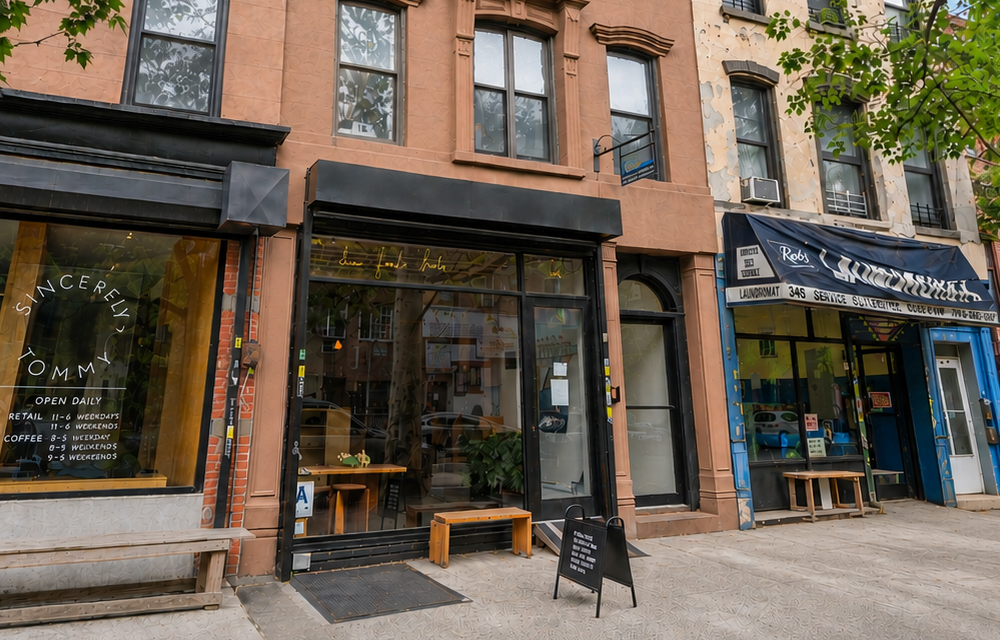
Bestreich, Reynolds, Davila, and Flaherty of Investment Property Realty Group close $1.97 million sale of 343A Tompkins Ave. in Bed-Stuy
Brooklyn, NY Investment Property Realty Group (IPRG) closed the sale of 343A Tompkins Ave., a mixed-use building located in the Bed-Stuy section of the borough, for $1.97 million.


Quick Hits

Columns and Thought Leadership

Hunt commercial real estate question and answer: Fortune 500 wisdom - by David Hunt
Yes, there are lessons to be learned from the largest companies in America when comes to managing your real estate. But the decision to buy or lease real estate may not be one of

Hunt CRE question and answer: Choosing a real estate agent - by David Hunt
First, we will only work with one agent exclusively. The primary reason is that we want that agent to legally represent our client’s interests. In New York State, a real estate agent has a fiduciary

A guide to finding the right NYC property management company - by Sanjay Gandhi
Being a small to midsize landlord in NYC is an increasingly demanding endeavor. From navigating complex regulations, increased compliance demands to dealing with tenant issues and remediating violations. It is wise to enlist the assistance of a partner, a professional

New York’s streets are full again, and the retail numbers prove it - by Noam Aziz
Walk down any New York block this year and you can feel it. The sidewalks are crowded, the storefronts are lit, and the energy that defines this city is back at full volume.
.gif)