



News:
Brokerage
Posted: November 12, 2013
Ariel Property Advisors' Multifamily Quarter in Review New York City Q 3 2013; Prices continue to rise in all submarkets
New York City multifamily transactions increased 12% and the dollar volume of those trades jumped 57% in the third quarter 2013 compared to the same period in 2012, according to Ariel Property Advisors' Multifamily Quarter in Review New York City Q3 2013.
New York City saw 172 multifamily transactions comprised of 329 buildings totaling $2.457 billion in gross consideration in the third quarter 2013 compared to third quarter 2012, which saw 153 multifamily transactions comprised of 213 buildings totaling $1.561 billion in gross consideration.
Third quarter 2013 figures represented a modest 1% increase in transaction volume, a 26% increase in building volume, and an 18% increase in dollar volume compared to the second quarter 2013, which saw 170 transactions comprised of 261 buildings totaling $2.074 billion in dollar volume.
Year-over-year, the six-month trailing averages showed cap rate compression, rising GRMs, and rising prices per s/f in all submarkets covered in this report.
"The third quarter report showed impressive year-over-year gains in volume and pricing," said Shimon Shkury, president of Ariel Property Advisors. "We believe this momentum will continue through the end of the year, though we do not expect the fourth quarter to be as active as the fourth quarter of 2012, which experienced a selling frenzy due to the anticipated capital gains hike. In addition, the recent decline in interest rates from their summer peak should help sustain building prices in the near term."
The following is a breakdown of the third quarter multifamily data by submarket:
* Manhattan. A handful of institutional transactions, most notably the $600 million sale of a multifamily portfolio owned by Westbrook, pushed Manhattan's third dollar volume up 36% compared to third quarter 2012 levels and up 41% from the second quarter 2013. These portfolio sales also amount to 3,301 units selling, which is more than 70% higher than the number of units changing hands compared to both year-over-year and quarter-to-quarter figures.
* Northern Manhattan. Buoyed by a number of institutional sales, this submarket's dollar volume rose to $364.967 million, the second highest dollar volume during the third quarter compared to other areas covered in this report. Like Manhattan, transaction volume was relatively stable with 32 transactions, but portfolio sales included 62 buildings sold, a 38 percent increase quarter-to-quarter and a 41 percent increase year-over-year, and 2,215 units sold, a 20 percent quarter-to-quarter and a 106 percent increase year-over-year. Clearly, rising rents and ongoing uptown development initiatives are driving greater demand for Northern Manhattan multifamily assets.
* Brooklyn. Despite a modest dip in multifamily sales on a quarter-to-quarter basis, Brooklyn saw solid gains year-over-year in transaction volume of 14 percent, building volume of 21 percent, and dollar volume of $67 percent. The borough saw 11 sales north of $10 million, the largest of which was the sale of 202 8th Street in Park Slope for $37.75 million or $740,000 per unit.
* The Bronx. Third quarter Bronx multifamily sales showed strong gains on a quarter-to-quarter and year-over-year basis. With 47 transactions, the most of any submarket, comprised of 78 buildings totaling $321.439 million in gross consideration, The Bronx saw a range of portfolio and individual asset sales. Prices also are rising across the borough as investors seek yield lacking in other parts of the city.
* Queens. After an exceptionally active second quarter, Queens multifamily sales declined to more normal levels with $110.042 million in sales over 13 transactions comprised of 31 buildings. A $68 million portfolio with more than 550 units made up the bulk of this activity.
The multifamily transactions included in the analysis occurred at a minimum sales price of $1 million, with a minimum gross area of 5,000 square feet, and with a minimum of 10 units.
Tags:
Brokerage
MORE FROM Brokerage
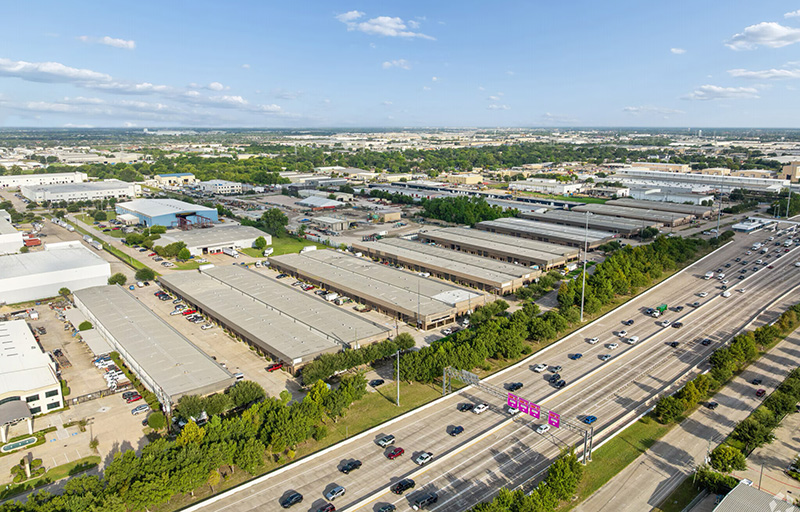
Simi Capital enters Texas with acquisition of 359,000 s/f small-bay industrial portfolio in Northwest Houston
Houston, TX Simi Capital acquired a three-property, 359,000 s/f small-bay industrial portfolio. The transaction, completed in a joint venture with Decker Capital, marks Simi


Quick Hits
 (2).gif)

Columns and Thought Leadership

Hunt CRE question and answer: Choosing a real estate agent - by David Hunt
First, we will only work with one agent exclusively. The primary reason is that we want that agent to legally represent our client’s interests. In New York State, a real estate agent has a fiduciary

A guide to finding the right NYC property management company - by Sanjay Gandhi
Being a small to midsize landlord in NYC is an increasingly demanding endeavor. From navigating complex regulations, increased compliance demands to dealing with tenant issues and remediating violations. It is wise to enlist the assistance of a partner, a professional

New York’s streets are full again, and the retail numbers prove it - by Noam Aziz
Walk down any New York block this year and you can feel it. The sidewalks are crowded, the storefronts are lit, and the energy that defines this city is back at full volume.

Hunt commercial real estate question and answer: Fortune 500 wisdom - by David Hunt
Yes, there are lessons to be learned from the largest companies in America when comes to managing your real estate. But the decision to buy or lease real estate may not be one of
.gif)