



News:
Brokerage
Posted: May 27, 2025
Ariel Property Advisors arranges over $20 million in sales in Brooklyn
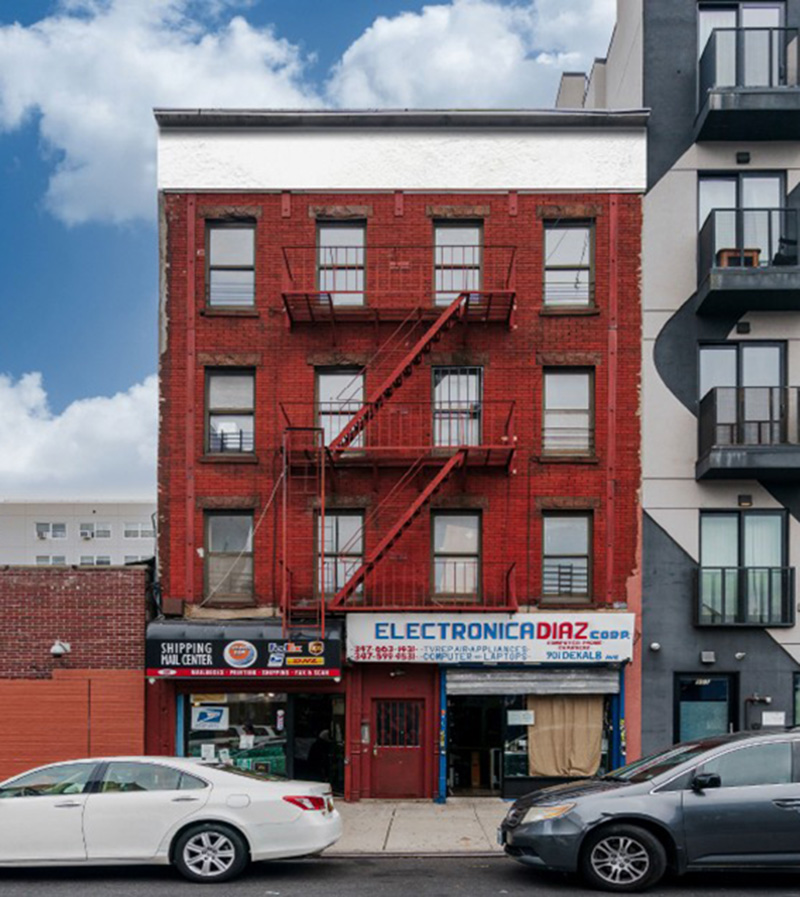
Brooklyn, NY Ariel Property Advisors (Ariel) has arranged the sale of multiple properties across the borough, totaling more than $20 million.
“Spanning development sites, mixed-use and multifamily assets, these transactions underscore the continued strength of Brooklyn’s real estate market and Ariel’s ability to deliver results across various asset classes,” said Sean Kelly, Esq., partner at Ariel Property Advisors. “Each deal reflects the confidence investors have in Brooklyn’s continued growth, and our team’s expertise in navigating complex transactions to achieve the best outcomes for our clients.”
Recent transactions included:
• 287-299 McGuinness Blvd., Greenpoint, sold for $11.15 million. The asset includes three adjacent multifamily buildings with a total of 30 units across 31,000 s/f. Director Benjamin Vago, Esq., partner Sean Kelly, Esq. and associate Erik Moloney arranged the sale.
• 901 Dekalb Ave., Bedford-Stuyvesant, sold for $2.525 million. The 6,500 s/f four-story mixed-use property features 12 free-market residential units and two commercial units. An Ariel team comprised of partner Sean Kelly, Esq., associate director Nicole Daniggelis, and associate Paul Monaco brokered the deal on behalf of the seller, Stephen Sun & Thomas Sun. The buyer was Joseph Davoudzadeh of Metropolitan Homes Inc.
• 583 E 23rd St., Ditmas Park, sold for $2.25 million. Built in 2010, this corner community facility spans 6,612 s/f and includes seating for 90. Director Lawrence Sarn, founding partner Michael Tortorici and associate director Gabriel Elyaszadeh arranged the transaction on behalf of the seller.
Additionally, director Benjamin Vago, Esq. and partner Sean Kelly, Esq. arranged the sale of the following three stalled development sites.
• 313 Linden St., Bushwick, sold for $1.8 million. This partially completed, 6,380 s/f development site was vested in the 421a tax abatement program.
• 1216 Putnam Ave., Bushwick, sold for $1.6 million. This 4,836 s/f partially-completed development site had approved plans for eight residential units.
• 303 Sumpter St., Ocean Hill, sold for $1.15 million. This 5,915 s/f stalled development site had approved plans for eight residential units and was vested in the Affordable New York 421a tax abatement program.
Tags:
Brokerage
MORE FROM Brokerage

Manhattan office leasing tops 10 million s/f for ninth consecutive quarter, Lee & Associates NYC reports
Manhattan, NY Manhattan’s office market continued its recovery in the third quarter of 2026, recording more than 10 million s/f of leasing activity for the ninth




Columns and Thought Leadership

A guide to finding the right NYC property management company - by Sanjay Gandhi
Being a small to midsize landlord in NYC is an increasingly demanding endeavor. From navigating complex regulations, increased compliance demands to dealing with tenant issues and remediating violations. It is wise to enlist the assistance of a partner, a professional

Hunt CRE question and answer: Choosing a real estate agent - by David Hunt
First, we will only work with one agent exclusively. The primary reason is that we want that agent to legally represent our client’s interests. In New York State, a real estate agent has a fiduciary

Hunt commercial real estate question and answer: Fortune 500 wisdom - by David Hunt
Yes, there are lessons to be learned from the largest companies in America when comes to managing your real estate. But the decision to buy or lease real estate may not be one of

New York’s streets are full again, and the retail numbers prove it - by Noam Aziz
Walk down any New York block this year and you can feel it. The sidewalks are crowded, the storefronts are lit, and the energy that defines this city is back at full volume.
.gif)