



News:
Brokerage
Posted: May 27, 2025
Foodservice accessibility: How automatic doors make restaurants more inclusive
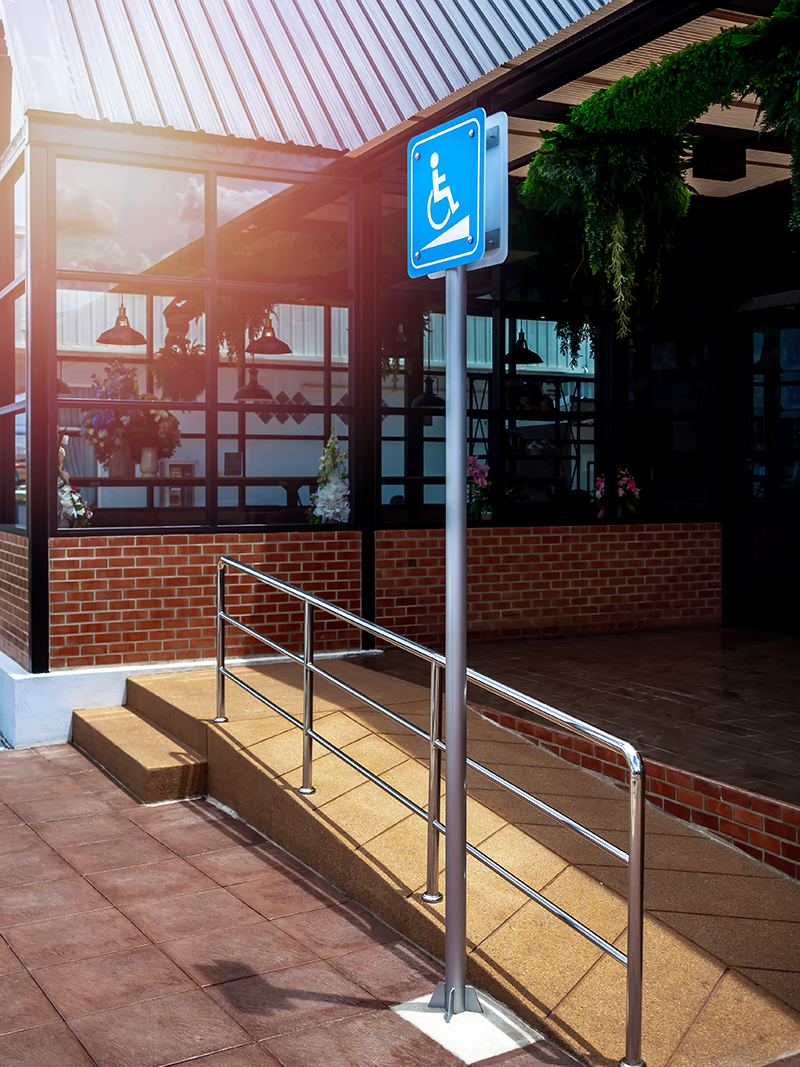 New York, NY Restaurants and other foodservice establishments play an important role in creating inclusive, welcoming environments for all guests, including those with physical disabilities. According to the American Association of Automatic Door Manufacturers (AAADM), automatic doors are a key component of ensuring accessibility, alongside features like ramps, clear pathways, and proper signage.
High-quality entrance solutions, such as swinging doors, sliding doors, and other automatic systems, are ideal for restaurants. These doors can be installed at various points, such as main entrances, kitchens, and storage areas. Automatic doors also serve a practical purpose by discreetly separating customer areas from kitchens, food storage, and warehouses. This creates a more efficient and accessible experience for all guests, regardless of their mobility level or physical ability.
Automatic doors are also contributing to big changes in the drive-thru line. The familiar chest-high service windows are being replaced by full-size automatic doors. These full-length cut-throughs enable employees to walk right up to cars, straight from the kitchen. In busy times, workers can easily serve larger orders or run them out to parked cars.
Automatic doors contribute to the overall accessibility of an eating establishment. They work in conjunction with accessible pathways throughout the restaurant that allow guests to move freely between different areas, including common spaces, order and pick-up stations, self-service stations, and seating arrangements. This ensures there is enough room for individuals using mobility devices or service animals to navigate comfortably and safely.
Beyond enhancing accessibility, automatic doors help restaurants, retail foodservice stores (grocerants), and coffee shops comply with building codes, improve the customer experience, and boost operational efficiency. They are energy-efficient, weather-resistant, optimize traffic flow, save valuable space, and streamline access for everyone.
Tags:
Brokerage
MORE FROM Brokerage
Manhattan office leasing tops 10 million s/f for ninth consecutive quarter, Lee & Associates NYC reports
Manhattan, NY Manhattan’s office market continued its recovery in the third quarter of 2026, recording more than 10 million s/f of leasing activity for the ninth


Quick Hits
 (2).gif)

Columns and Thought Leadership

Hunt commercial real estate question and answer: Fortune 500 wisdom - by David Hunt
Yes, there are lessons to be learned from the largest companies in America when comes to managing your real estate. But the decision to buy or lease real estate may not be one of

New York’s streets are full again, and the retail numbers prove it - by Noam Aziz
Walk down any New York block this year and you can feel it. The sidewalks are crowded, the storefronts are lit, and the energy that defines this city is back at full volume.

Hunt CRE question and answer: Choosing a real estate agent - by David Hunt
First, we will only work with one agent exclusively. The primary reason is that we want that agent to legally represent our client’s interests. In New York State, a real estate agent has a fiduciary

A guide to finding the right NYC property management company - by Sanjay Gandhi
Being a small to midsize landlord in NYC is an increasingly demanding endeavor. From navigating complex regulations, increased compliance demands to dealing with tenant issues and remediating violations. It is wise to enlist the assistance of a partner, a professional
.gif)