



News:
Brokerage
Posted: October 1, 2007
AREW launches Professional Resource Development Program
The Association of Real Estate Women (AREW) is launching its Professional Resource Development (PRD) Program, which will pair seasoned professionals among the membership as mentors with those less experienced. The PRD Program is an exclusive benefit of AREW membership and provides a structured conduit for sharing ideas, providing support and encouraging and promoting best practices among real estate professionals.
"AREW members have always been committed to assisting each other and sharing business information," said 2007-08 AREWpresident Fran Delgorio, senior vice president, leasing and marketing Cohen Brothers Realty Corporation. "The PRD Program formalizes a commitment to optimize opportunities that can help our members increase their professional skills and knowledge, as well as expand their networks in related fields."
Typically, a mentor will have at least five years of professional experience and be willing to interact with someone less experienced on a regular basis. Working from the unique strength of AREW's diversified membership, the PRD Program will pair participants from complementary market sectors.
The criteria for participation also includes monthly meetings between mentors and their pupils for one year. Moreover, to ensure the continuity of the program, all participants will meet as a group every three months to review their progress and share general information.
"AREW continually strives to serve its membership by finding innovative ways to stay ahead of the curve with regard to the continually changing, and always challenging, field of real estate," said Dana Endicott, AREW member at large and managing director of Floorworks, Inc., who is spearheading the program. "The PRD Program is one more benefit that sets AREW apart from other organizations.
Tags:
Brokerage
MORE FROM Brokerage
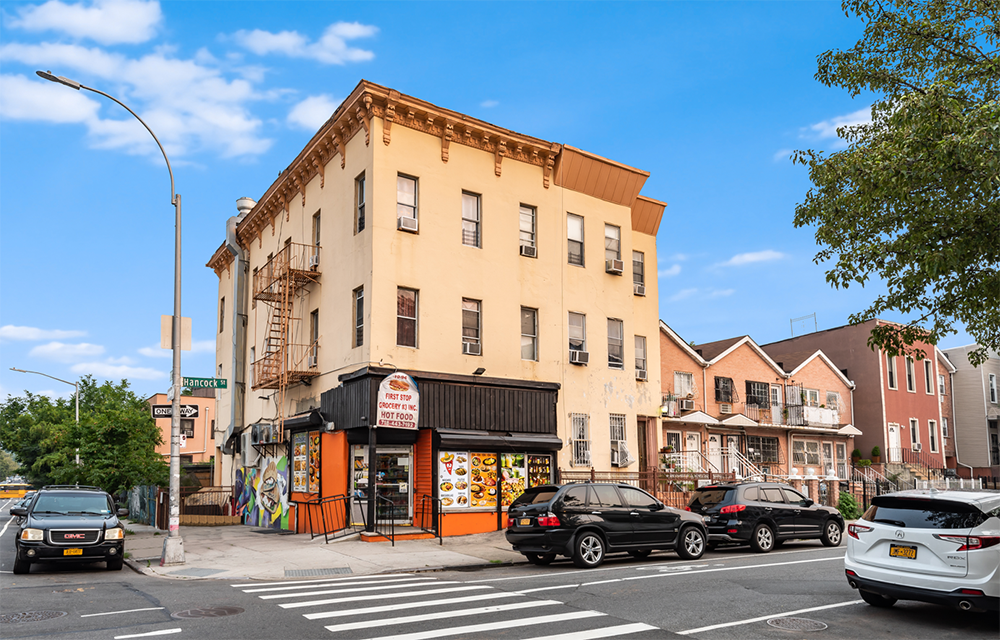
Investment Property Realty Group closes $1.75 million sale of 1094 Hancock Street in Brooklyn
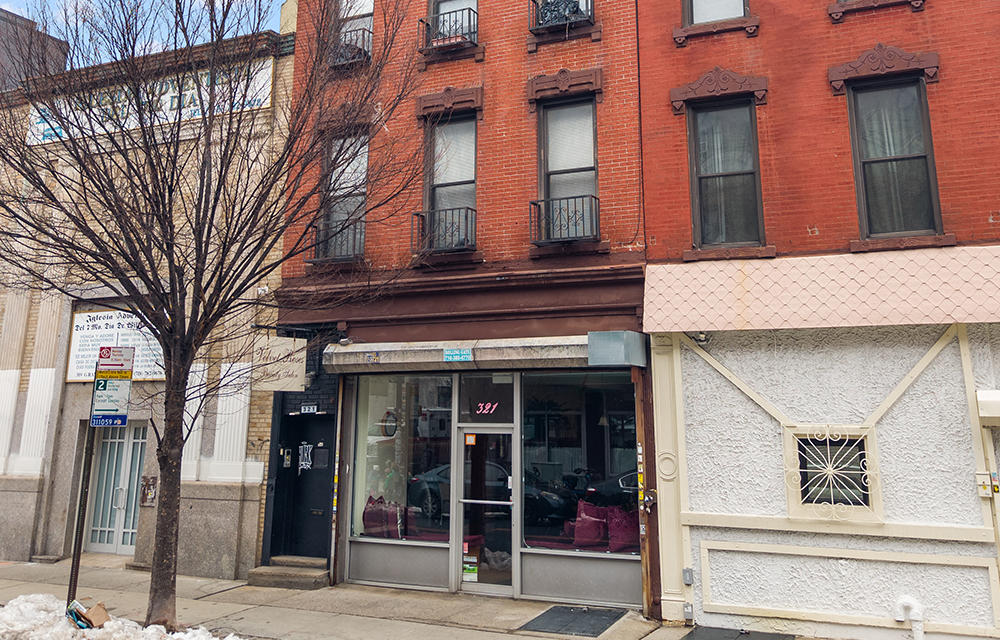
Brooklyn, NY Investment Property Realty Group (IPRG), a New York-based commercial investment firm, has closed the sale of 1094 Hancock St., a mixed-use building in the Bushwick section, for $1.75 million.


 (2).gif)

Columns and Thought Leadership

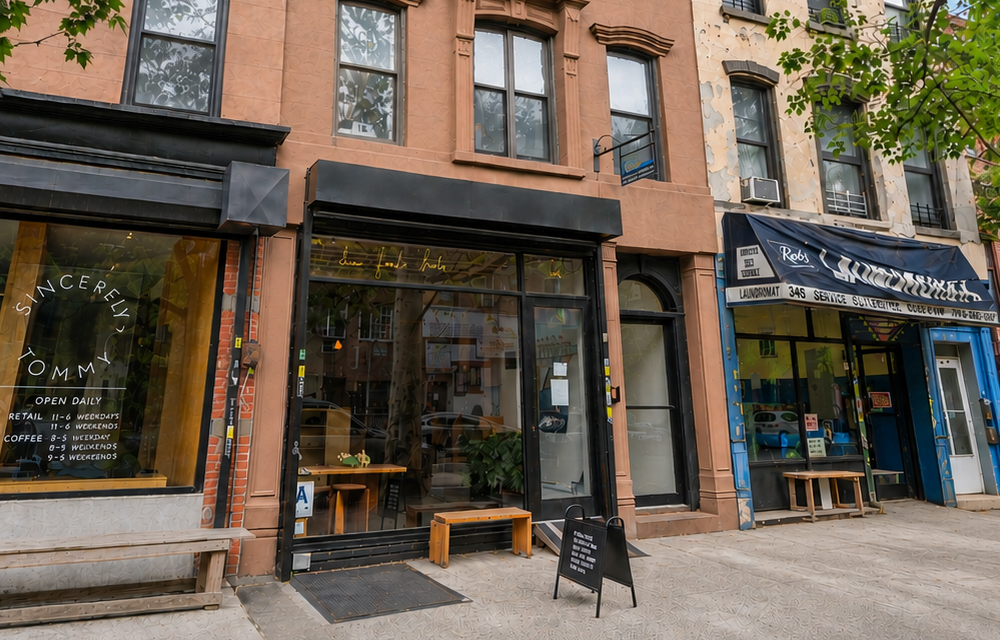
New York’s streets are full again, and the retail numbers prove it - by Noam Aziz
Walk down any New York block this year and you can feel it. The sidewalks are crowded, the storefronts are lit, and the energy that defines this city is back at full volume.

Hunt commercial real estate question and answer: Fortune 500 wisdom - by David Hunt
Yes, there are lessons to be learned from the largest companies in America when comes to managing your real estate. But the decision to buy or lease real estate may not be one of

Hunt CRE question and answer: Choosing a real estate agent - by David Hunt
First, we will only work with one agent exclusively. The primary reason is that we want that agent to legally represent our client’s interests. In New York State, a real estate agent has a fiduciary

A guide to finding the right NYC property management company - by Sanjay Gandhi
Being a small to midsize landlord in NYC is an increasingly demanding endeavor. From navigating complex regulations, increased compliance demands to dealing with tenant issues and remediating violations. It is wise to enlist the assistance of a partner, a professional
.gif)