



News:
Brokerage
Posted: July 30, 2012
ARC and USA Architects design 250,000 s/f lab
ARC/Architectural Resources Cambridge, along with USA Architects, Planners + Interior Designers and Brinjac Engineering have been awarded a laboratory project by the PA Division of General Services to design a new 250,000 s/f, multistory Science, Education, & Research Center (SERC) on Temple University's main campus. ARC is working with locally based USA Architects on the new facility. Brinjac Engineering will be providing MEP, fire protection, telecom/security, lighting, structural, and commissioning services throughout the design and construction of the project. Hunt engineering is providing civil engineering and LRSLA studio is doing the landscape architectural design.
Founded in 1884, Temple University is a comprehensive urban research and academic institution with an enrollment of about 40,000 students who can choose from nine campuses and 320 academic degree programs.
The SERC is envisioned as the gateway to the science facilities on Temple's main campus. It is a vital component in the University's $1.2 billion implementation plan developed from the Temple 20/20 framework plan.
"We are very excited to have the opportunity to work with Temple on such an important project that will significantly enhance the science programs," said ARC Principal Jeff Johnson, AIA, LEED AP.
The ARC/USA team, which will be responsible for designing high-tech classrooms, lecture halls, teaching and research labs, and collaboration space, will also maximize the use of technology to enhance learning experience and research effectiveness of the students and faculty. A new 2-story atrium will serve as the gateway to the new research corridor linking the existing College of Engineering and the College of Science & Technology buildings to the new facility. The upper floors of the building will contain flexible research and teaching laboratory space designed to accommodate both wet and dry labs. The basement is being designed to accommodate specialized, vibration sensitive imaging and characterization equipment.
The Temple University project team working with the design team and overseeing the project includes Margaret Carney - Associate Vice President & University Architect, Tom McCreesh - Director of Planning & Design, Hai-Lung Dai - Dean of the College of Science and Technology, Omar Hijab - Associate Dean for Faculty Affairs & Operations College of Science & Technology, and Roger Cuttita - Director of Facilities College of Science & Technology.
The ARC design team for the Temple University projects includes Principal-in-Charge Jeff Johnson, AIA, LEED AP, Project Manager Yunbin Park, KIRA, LEED AP, Planning Principal Tom Loring, AIA, and Design Principal Been Wang, AIA. The USA project team includes Paul Swartz, AIA, Principal-in-Charge, and Mark Coan, AIA, Principal Project Manager.
The groundbreaking for the project is scheduled for June 2012. The project is expected to be completed by early 2014.
Tags:
Brokerage
MORE FROM Brokerage
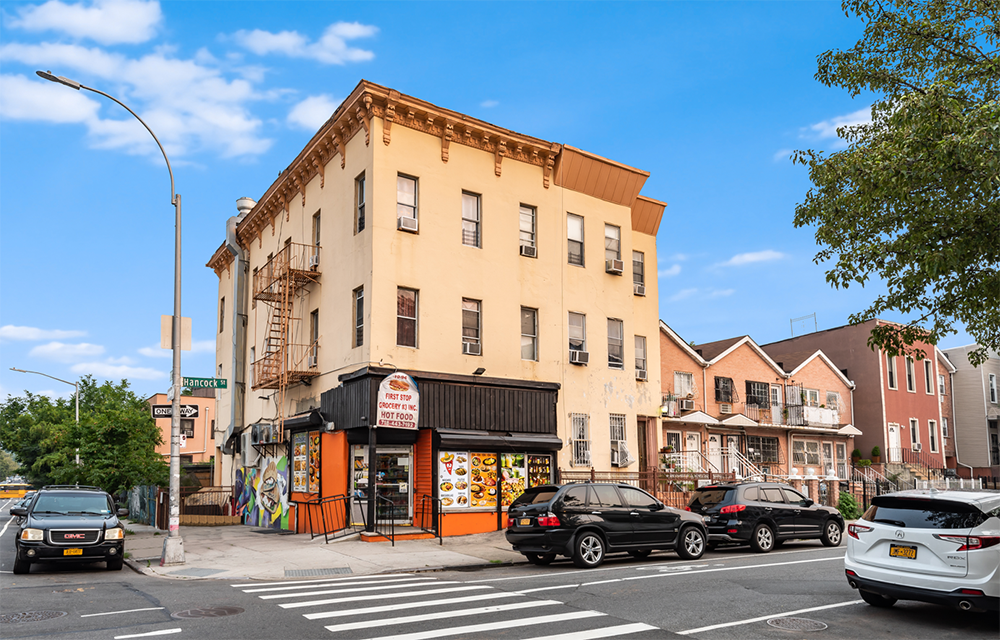
Investment Property Realty Group closes $1.75 million sale of 1094 Hancock Street in Brooklyn
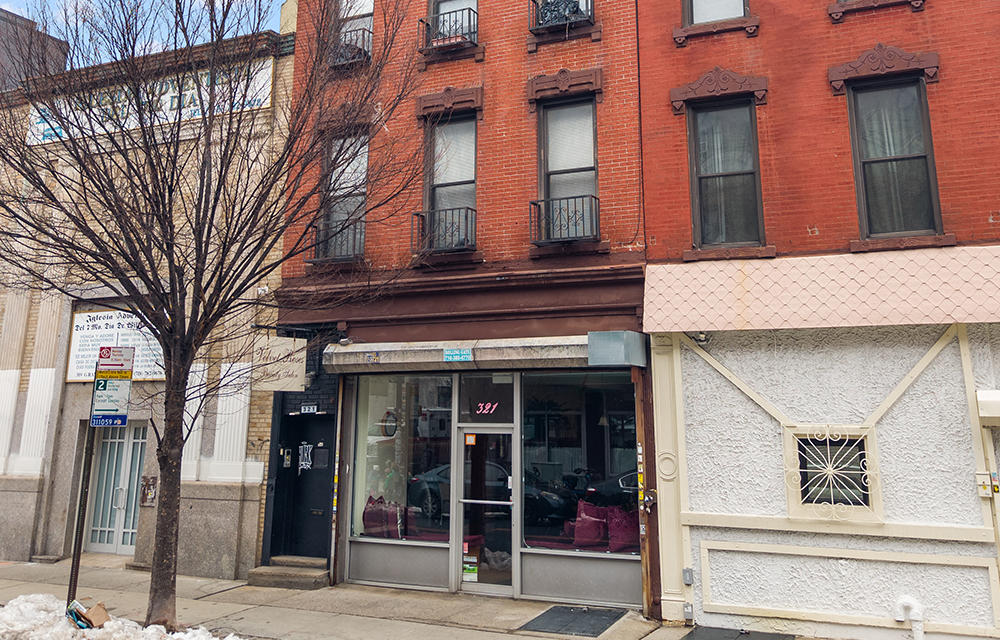
Brooklyn, NY Investment Property Realty Group (IPRG), a New York-based commercial investment firm, has closed the sale of 1094 Hancock St., a mixed-use building in the Bushwick section, for $1.75 million.



Columns and Thought Leadership

Hunt commercial real estate question and answer: Fortune 500 wisdom - by David Hunt
Yes, there are lessons to be learned from the largest companies in America when comes to managing your real estate. But the decision to buy or lease real estate may not be one of

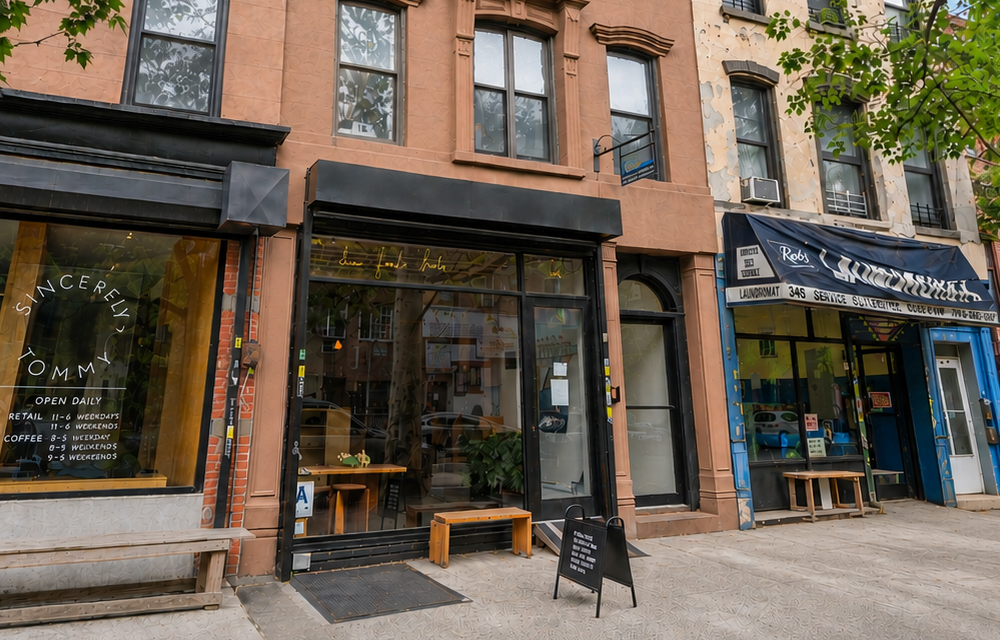
New York’s streets are full again, and the retail numbers prove it - by Noam Aziz
Walk down any New York block this year and you can feel it. The sidewalks are crowded, the storefronts are lit, and the energy that defines this city is back at full volume.

A guide to finding the right NYC property management company - by Sanjay Gandhi
Being a small to midsize landlord in NYC is an increasingly demanding endeavor. From navigating complex regulations, increased compliance demands to dealing with tenant issues and remediating violations. It is wise to enlist the assistance of a partner, a professional

Hunt CRE question and answer: Choosing a real estate agent - by David Hunt
First, we will only work with one agent exclusively. The primary reason is that we want that agent to legally represent our client’s interests. In New York State, a real estate agent has a fiduciary
.gif)