



News:
Construction Design & Engineering
Posted: November 12, 2013
Another storm: One year later Sandy still leaves a myrid of complex compliance issues
Superstorm Sandy, a year later, has still left a myriad of complex compliance issues precipitated by local regulations, reorganization of the FEMA flood zone maps and engineering complexities initiated by the rebuilding effort.
The reorganization of the FEMA flood zone maps has pushed a number of properties into the "A" zone. With its designation comes the necessity for many buildings to comply with appendix G of the code which especially requires that mechanical systems be relocated to "higher ground" or existing areas within the flood zone which will be "flood proofed." Flood proofing is an extremely expensive proposition and the relocation of mechanical units inevitably causes FAR problems. Although mechanical space does not count against FAR, many a building will encounter a loss because they will be prevented from making up the square footage because of open space, yard and height restrictions.
Also, there is much confusion as to when compliance with appendix G is required in regard to an alteration since its applicability trigger provision for "substantial" renovation is unclear.
This presents a problem in regard to insurance coverage as many carriers seek to reduce their exposure to "code required" work; trying to limit their dollar exposure rather than providing funds to their insured that will allow them to undertake the rebuilding effort is a way that will prevent a repeat occurrence.
Also, many a premise owner does not anticipate the increased engineering costs (that many an insurer will not cover) that flood zone locations will require in regard to premise raising, soil investigation, pile installation and appropriate design, to name a few possibilities. The testing and inspections costs will only be exacerbated by the increased construction costs that will occur for the enhanced geo-tech and structural work that will be required for the premise rebuilding or renovation effort.
It is clear that a year removed, we only now are realizing the impact of Superstorm Sandy on the comeback effort. As insurers try to reduce their exposures, professionals try to decipher the code and its applicability and requirement and insured try to rebuild their shattered lives it requires that some government entities coordinate the overall response and try to make sense of the open issues before these efforts are stalled behind cumbersome and unclear regulations and an insurance industry looking for a way not to pay.
Jane Webster is vice president of compliance and Matt Caruso is executive vice president of operations for Domani Consulting, Valley Stream, N.Y.
MORE FROM Construction Design & Engineering
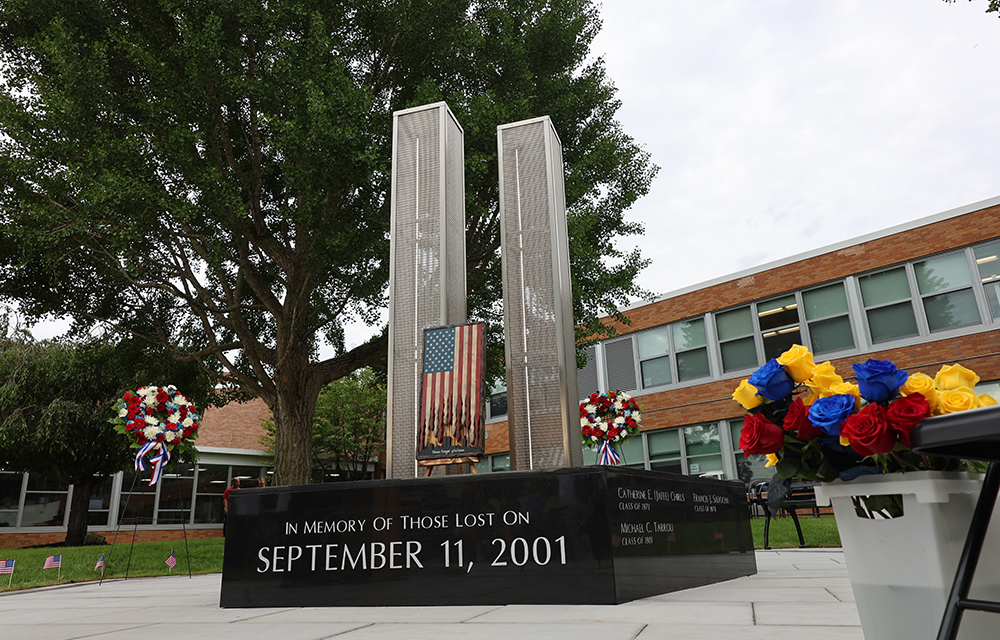
MDS Architecture designs memorial to pay tribute to those lost on September 11
Wantagh, NY A new 9/11 memorial designed as a lasting place of reflection, remembrance and resilience was formally dedicated on September 11, 2026 at Wantagh High School, honoring those who lost their lives in the 9/11 terrorist attacks and ensuring their memory will be carried forward for generations.



Quick Hits


Columns and Thought Leadership

Premium experiences, proven returns: The New revenue playbook for sports venues - by Terry McIntyre
Investing in the Fan Experience as a Revenue Strategy The sports and entertainment venues that bet on premium experiences years ago are now seeing those investments pay off in packed seats, increased revenue, and industry recognition.

We support green construction. Just not this kind - by Tammy Smith
Most people think of St. Patrick’s Day as a fun footnote on the calendar. In construction logistics, however, it’s a full-scale operational variable — especially if your work touches major metro areas with major parades and, let’s call it what it is, enthusiastic celebrants.
