



News:
Brokerage
Posted: January 24, 2011
Anderson of RHYS Commercial represents landlord in 5,000 s/f lease; NAFI to move HQ to 2269 Saw Mill River Road, Elmsford
North American Family Institute (NAFI) has relocated its headquarters.
According to Alexander Anderson, a senior associate with regional real estate firm RHYS Commercial, which represented the landlord, Elmsford Executive Park, LLC, in the office leasing transaction, NAFI has moved its office from 48 Burling Ln. in New Rochelle to 5,000 s/f at 2269 Saw Mill River Rd.
"We are proud to have assisted Elmsford Executive Park, LLC in welcoming NAFI as a new tenant," said Cory Gubner, president and CEO of RHYS Commercial. "Offering convenient access to local highways and situated on one of the main thoroughfares in Westchester, this building provides a great hub for any organization looking to do business not only in Westchester County but also New Jersey, the New York-metro area and Connecticut."
The 106,426 s/f professional mixed use office and flex building sits on 6.88 acres with over 400 parking spots and is accessible via the Bee-Line Bus System, which stops at the property - providing additional convenience to employees and their customers. RHYS Commercial is the exclusive leasing agent for Elmsford Executive Park, which Gubner says still has suites remaining from 1,000 to 13,000 s/f.
"This deal was the kickoff for a new leasing campaign at the building, and we look forward to announcing additional tenants soon," said Anderson.
With its New York regional office established in 2005, and best known for providing intensive, community-based wraparound services as an alternative to placing youth in foster care, NAFI has gained a national reputation for pioneering interactive training that has significantly impacted public and non-profit service organizations.
Serving the New York, New Jersey and Connecticut markets, RHYS Commercial's elite team of real estate professionals provides strong expertise and a proven track record in retail, office and industrial leasing, tenant and landlord representation, investment sales and asset and property management for all types of commercial buildings as well as health care-related properties. The company is committed to creating value for its clients through superior service and performance, supported by strong, local market knowledge and expertise.
Information on the company, its services and client roster, is available on its website, www.rhysre.com.
Tags:
Brokerage
MORE FROM Brokerage
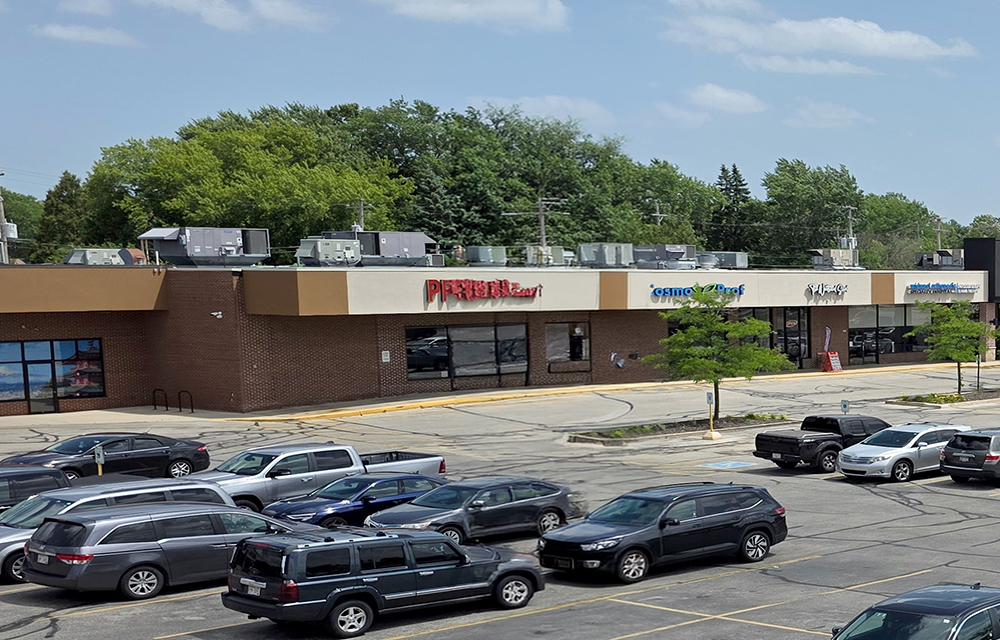
United Properties Corp. expands Wisconsin and Illinois retail presence adding 200,000 s/f
West Allis, WI United Properties Corp. completed two retail acquisitions totaling $27.4 million across Illinois and Wisconsin, adding 205,000 s/f of shopping center space to its portfolio


 (2).gif)

Columns and Thought Leadership

New York’s streets are full again, and the retail numbers prove it - by Noam Aziz
Walk down any New York block this year and you can feel it. The sidewalks are crowded, the storefronts are lit, and the energy that defines this city is back at full volume.

Hunt commercial real estate question and answer: Fortune 500 wisdom - by David Hunt
Yes, there are lessons to be learned from the largest companies in America when comes to managing your real estate. But the decision to buy or lease real estate may not be one of

A guide to finding the right NYC property management company - by Sanjay Gandhi
Being a small to midsize landlord in NYC is an increasingly demanding endeavor. From navigating complex regulations, increased compliance demands to dealing with tenant issues and remediating violations. It is wise to enlist the assistance of a partner, a professional

Positive forecast for New York’s pro-housing push? - by Philip Butler
New York’s housing crisis remains a hot button topic despite growing consensus that varied and affordable housing is desperately needed statewide. Governor Hochul has recently introduced several initiatives to overcome N.Y.’s anti-housing
.gif)