



News:
Brokerage
Posted: November 14, 2023
Anchin brought together industry experts for the 18th Annual State of the Construction Industry event
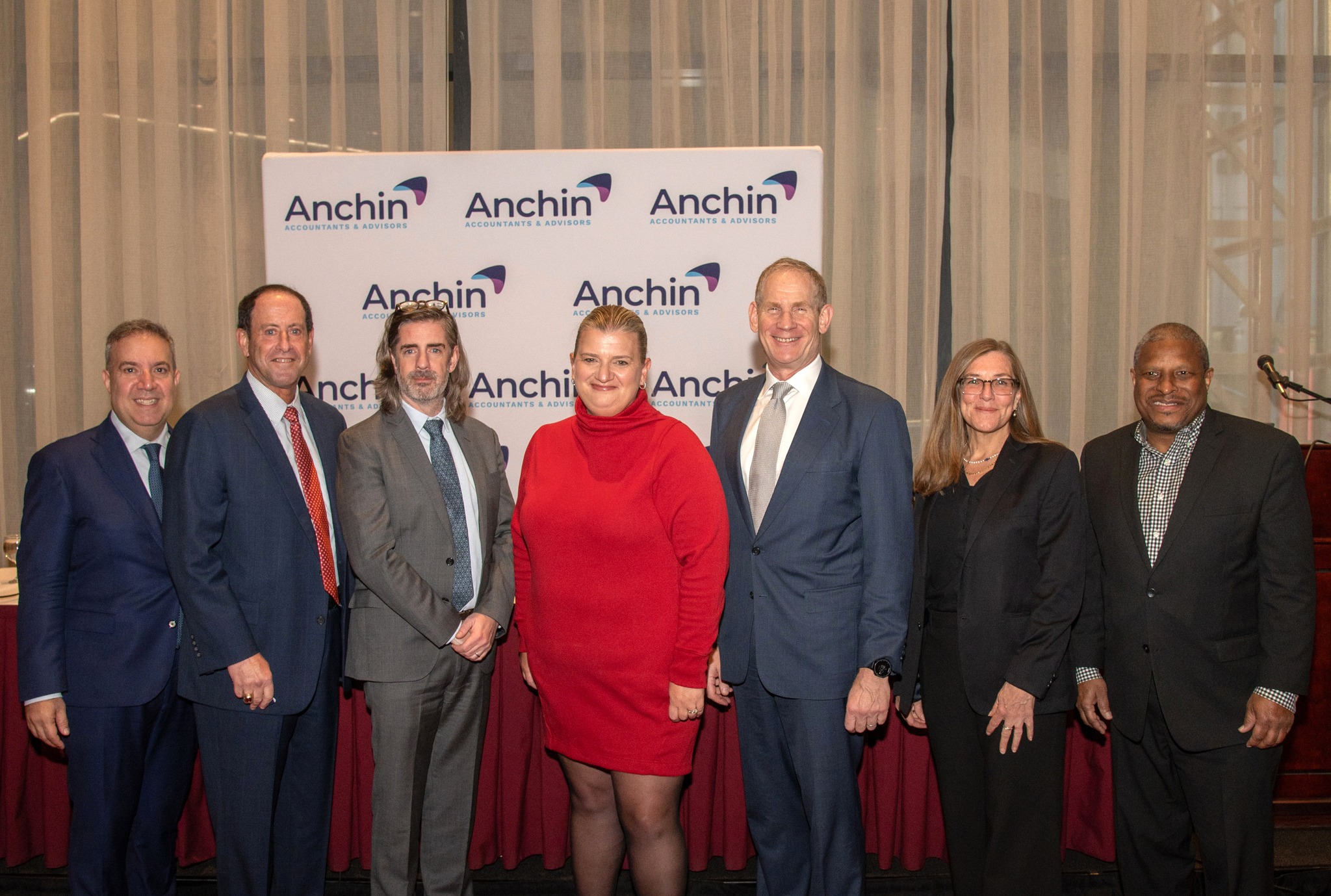
Manhattan, NY Accounting, tax and advisory firm, Anchin, held its 18th annual State of the Construction Industry breakfast reception and event on Tuesday, November 2nd at Club 101. The event was also sponsored by New York Building Congress (NYBC), the American Council of Engineering Companies of New York (ACEC New York) and the Subcontractors Trade Association (STA). The event was keynoted by Janno Lieber, chair and CEO, MTA.
Other panelists included Carlo Scissura, president and CEO, New York Building Congress (moderator); Laura Bush, director of operations, NYC Metro Region, Consigli; Ian McNamara, senior vice president - east region development director, WSP; John Rice, president & principal, Legacy Engineers; and Kirsten Sibilia, managing principal, Dattner Architects.
Lieber provided an update on the MTA and the status of its financial stability as a significant factor in enabling an opportune moment for the MTA and the future of mass transit in the metro area. As a result, the MTA has become much safer and more efficient, and is on track to exceed new goals for modernization. The MTA also recently achieved its highest ridership since the pandemic, with over six million daily commuters, and its on-time performance is the best yet in the last ten years. Lieber emphasized the importance of efficiency, and the vital role transit plays in getting people back to work in rebuilding the city and restoring the office sector.
Lieber underscored the importance of making investments to maintain and repair transit infrastructure, stating, “we should be investing every year to maintain a 100-year-old operation that is worth $1.5 trillion – that’s what it takes, and we need to be willing to invest.” The goal of the operation is to serve more people, while becoming more reliable and equitable than ever before. On the need for upgrades, Janno warned that “to operate a modern facility, we would be in serious danger if we don’t go beyond just maintaining a state of repair to continually meet the needs of a growing population.”
With a $3.5 billion grant from The Federal Transit Administration (FTA), the MTA is currently working on implementing modern subway services, as described by Lieber. The next capital program may also include the recently proposed interborough express where the Bay Ridge freight line will be transformed into first-class transit.
Lieber concluded by emphasizing the need for congestion pricing that has been largely unpopular, but much needed to reduce traffic in midtown so that emergency and other vehicles can provide critical service to the people within our city.
Scissura described new challenges in housing, citing that “while we need 30,000 new homes, we are only at about a third of the way there.” Issues such as whether or not it makes financial sense to the developer and making housing work for the middle market were discussed. Spot rezoning was suggested as a possible solution.
Panelists described resiliency challenges while discussing the potential impact of climate change on future projects. Sibilia said, “challenges exist for resiliency in renovating our existing structures. For example, NYCHA housing is in great need of repair, and it’s a challenge to carry out any new construction without displacing tenants. Hurricane Sandy and other disasters are an example that new and more resilient housing needs to be built in a way that the units are able to live through multiple severe weather events.”
Rice underscored the importance of planning for climate change to become more resilient. “We have lots of work ahead of us in training a new generation of design professionals as we are working towards infrastructure that will accommodate climate change and cleaner energy sources,” said Rice. Other futuristic considerations in new technologies were discussed as Ian MacNamara expressed that he expects technologies to have an outsized impact on A/E/C firms, said that “AI is absolutely going to change my business on a daily basis one hundred percent. We are seeing new guidelines across the board concerning AI, and how these new things are going to fundamentally change the way we work and conduct our businesses.”
Other items such as frustrations with backlogs, continued delays in supply chains, and the impact of higher inflation costs were expressed among panelists. As infrastructure and IRA funding decisions are due out next year, panelists concluded that these will require the industry to be more adaptable and resilient than ever.
More positive news included exciting new opportunities in new health care construction, education and life sciences. Bush added that “Consigli is currently working with five health care providers and that great opportunities were coming through the door. “
Scissura concluded with a defining statement – “Our Goal is to create incredible buildings for New York, and that’s what we are here for.”
Tags:
Brokerage
MORE FROM Brokerage
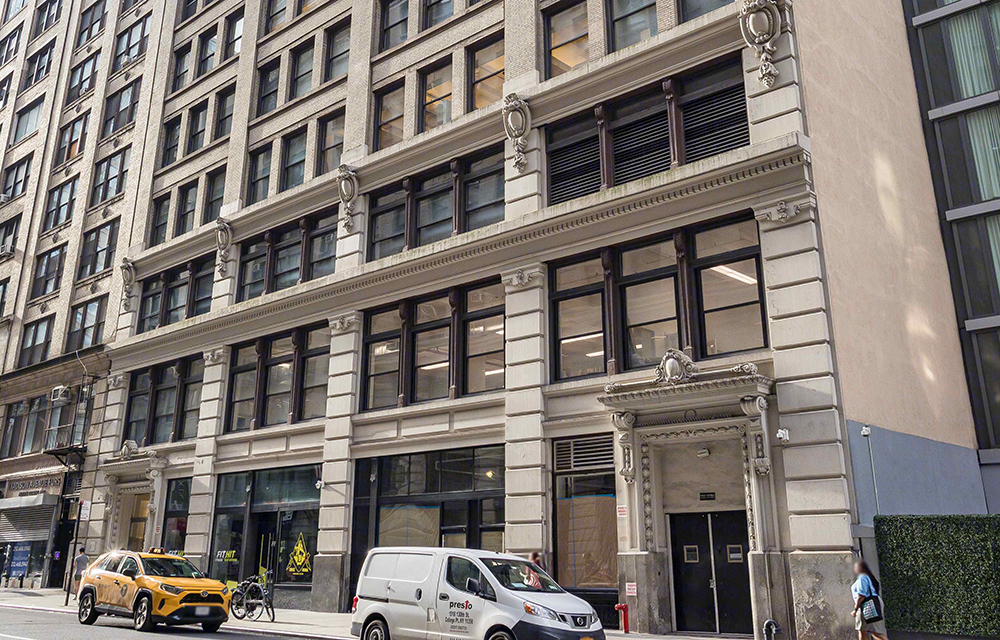
Koeppel Rosen inks 16-year 33,783 s/f lease for coworking firm Nomadworks at 122 West 27th St.
Manhattan, NY According to Koeppel Rosen LLC, leasing and management agent for the Rosen family portfolio, Nomadworks has signed a new 16-year, two-month lease totaling 33,783 s/f at 122 West




Quick Hits
 (2).gif)

Columns and Thought Leadership

Hunt CRE question and answer: Choosing a real estate agent - by David Hunt
First, we will only work with one agent exclusively. The primary reason is that we want that agent to legally represent our client’s interests. In New York State, a real estate agent has a fiduciary

The art of investing in real estate - by Thomas Donovan
Real estate investing is as much an art as it is a skill. No one can time the market, or the factors that drive it, perfectly. Location, zoning, size, transportation, and neighborhood density give you a baseline for

New York’s streets are full again, and the retail numbers prove it - by Noam Aziz
Walk down any New York block this year and you can feel it. The sidewalks are crowded, the storefronts are lit, and the energy that defines this city is back at full volume.

Hunt commercial real estate question and answer: Fortune 500 wisdom - by David Hunt
Yes, there are lessons to be learned from the largest companies in America when comes to managing your real estate. But the decision to buy or lease real estate may not be one of
.gif)