



News:
Brokerage
Posted: May 24, 2022
An attorney discusses retail leases - by C. Jaye Berger

Retail leases are becoming more prevalent now as the pandemic comes to an end and the economy picks up and starts to turn around. The biggest thing that most people think about regarding leases is the amount of monthly rent and the location of the store. However, there are many more issues than just the amount of monthly rent to be paid. At the top of the list is the design of the store and how will the build out be undertaken and who will pay for it? Part of the lease negotiation is often the landlord agreeing to give some free rent which can be used towards the tenant’s build out. There are so many different configurations of buildings that it is impossible to say things that fit everyone and every situation.
There may be some completion requirements by the building owner which the tenant must be mindful of when making their plans. For example, if you have a certain number of weeks to do the work and there’s some elements in the building that need to be fixed before you can do what you need to do, you need to negotiate that so that the landlords work does not hold up your work. You can’t just say you were unable to complete the renovation in a timely fashion because the landlord’s broken step in the building’s entrance hallway was interfering and preventing deliveries. There also may be repairs that the landlord has to make on his own property to clear the way for work the tenant is going to be doing on their space.
The tenant must have a team of professionals lined up and assisting them and the planning must start well in advance of signing a lease. There should be a licensed architect, perhaps an interior designer, a general contractor and various subcontractors. If the store is another location of a national or international store located elsewhere, there must be a local architect advising the team so that the project is in compliance with the local building code.
Be cautious about the selection of a general contractor, especially if it is a company that the landlord has chosen. Some landlords have a list of approved contractors. However just because the landlord had the contractor on their approved list, it does not mean that you’re not responsible for timely completion.There may be an element that was used on another one of the stores in a different location which would be problematic and in violation of the local building code in the current location. Sorting that out can result in delays, since the laws and building codes will vary. However, the tenant renting the space must be aware of the condition of the building space around them and how it may affect their space in their lease. For example there may be a condition on an upper floor which perhaps has not been attended to by the landlord or by that tenant. Ordinarily, the tenant renting the retail space would not be concerned about a tenant elsewhere in the building, but if nothing is said about that, that condition may adversely affect the rental space. The landlord is not responsible for delays caused by your litigation with other tenants. It is best to try to work everything out before the lease is signed.
The design process may be time-consuming because there can be controversial issues that have to do with load-bearing walls being moved , electrical wiring and things of that nature.
There can also be issues involving adjoining buildings, such as an awning or Local Law 11 scaffolding that interferes with your project. On one project, the scaffolding needed to be moved to gain access to work on the storefront. Those are complicated issues that involve other parties and their access agreements and take time to resolve.
C. Jaye Berger, Esq., is the founder of Law Offices C. Jaye Berger, New York, N.Y.
Tags:
Brokerage
MORE FROM Brokerage
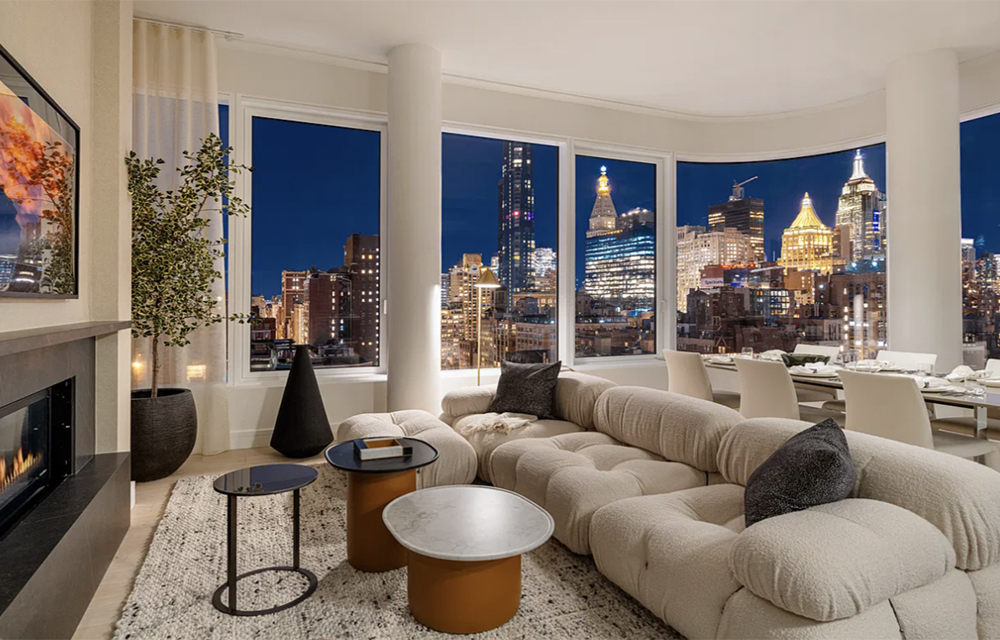
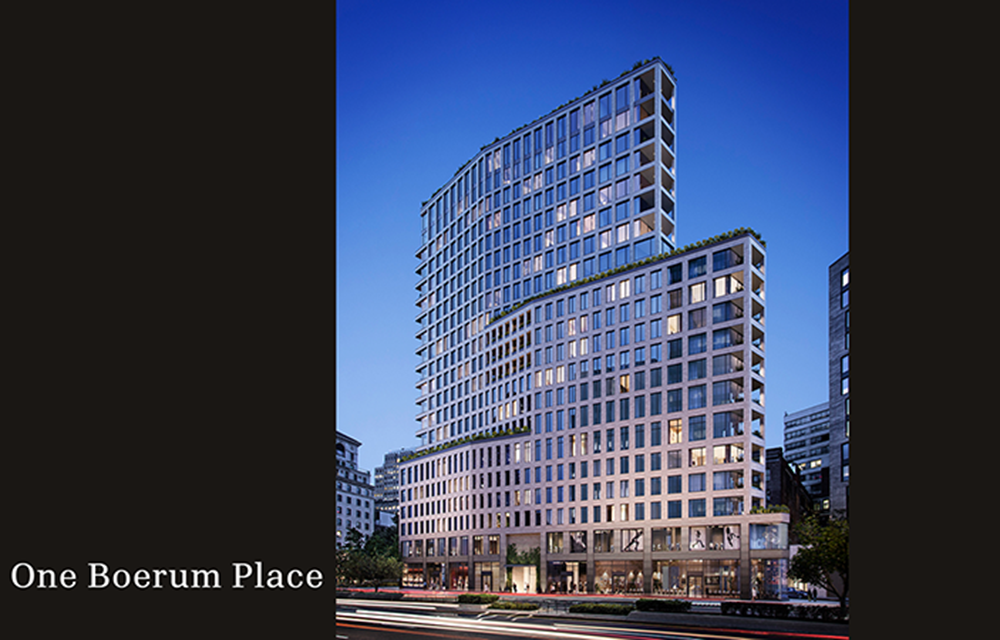
200E20TH sells out in Gramercy, penthouse A closes out sales at the CetraRuddy-designed condominium residences
Manhattan, NY 200E20TH, the CetraRuddy-designed architectural masterwork that brought a curved, contemporary sensibility to Gramercy’s Beaux-Arts streetscape, has



Quick Hits
 (2).gif)

Columns and Thought Leadership

New York’s streets are full again, and the retail numbers prove it - by Noam Aziz
Walk down any New York block this year and you can feel it. The sidewalks are crowded, the storefronts are lit, and the energy that defines this city is back at full volume.

Hunt CRE question and answer: Choosing a real estate agent - by David Hunt
First, we will only work with one agent exclusively. The primary reason is that we want that agent to legally represent our client’s interests. In New York State, a real estate agent has a fiduciary

The art of investing in real estate - by Thomas Donovan
Real estate investing is as much an art as it is a skill. No one can time the market, or the factors that drive it, perfectly. Location, zoning, size, transportation, and neighborhood density give you a baseline for

Hunt commercial real estate question and answer: Fortune 500 wisdom - by David Hunt
Yes, there are lessons to be learned from the largest companies in America when comes to managing your real estate. But the decision to buy or lease real estate may not be one of
.gif)