



News:
Brokerage
Posted: June 22, 2021
Amory joins Lendlease as VP and director of diversity, equity and inclusion
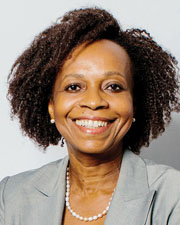
New York, NY According to Lendlease, Venetta Amory has been hired as vice president and director of diversity, equity and inclusion (DEI) for its Americas’ region. Amory is based at Lendlease’s Americas headquarters in NYC and reports directly to Bruce Ambler, director of operations, Americas.
Amory has three decades of leadership experience advancing DEI goals across a variety of different industries. She brings a passion for DEI and a global mindset to this important work at Lendlease.
The role replaces the company’s previous DEI manager who built a strong DEI framework over the past eight years and departed the firm for another opportunity in January. The role has been elevated to a director level to affirm the company’s strategic focus and to continuously improve its DEI efforts.
Lendlease firmly believes that diversity drives innovation and that a robust DEI strategy is key to realizing its vision of “creating the best places”. The company aims to foster a culture that embraces and respects difference and understands the importance of creating an environment where people can bring their “whole self” to a workplace where employees feel safe, valued and motivated.
“DEI has been part of Lendlease’s DNA since its founding in 1958,” said Lendlease Americas CEO Denis Hickey. “While we’ve made great strides, there is still much more to do. We are eager to drive our DEI efforts forward with Venetta as our lead.”
“Over the years, Lendlease has developed and implemented market-leading positions around DEI, and I was moved by their commitment to a journey of continual improvement. I am confident that my deep experience in DEI will be of great service to Lendlease as the company continues its work around this important business imperative,” said Amory. “That Lendlease has continued to prioritize DEI, which is further evidenced by the fact that this role is empowered to implement the necessary tools, resources and guidance across the Americas region in order to advance its efforts and generate a real impact.”
Amory was most recently director of diversity & inclusion at the international law firm Kelley Drye & Warren where she provided leadership to the firm’s DEI committee and was responsible for developing, managing and implementing the firm’s DEI strategies, programs and initiatives.
Tags:
Brokerage
MORE FROM Brokerage
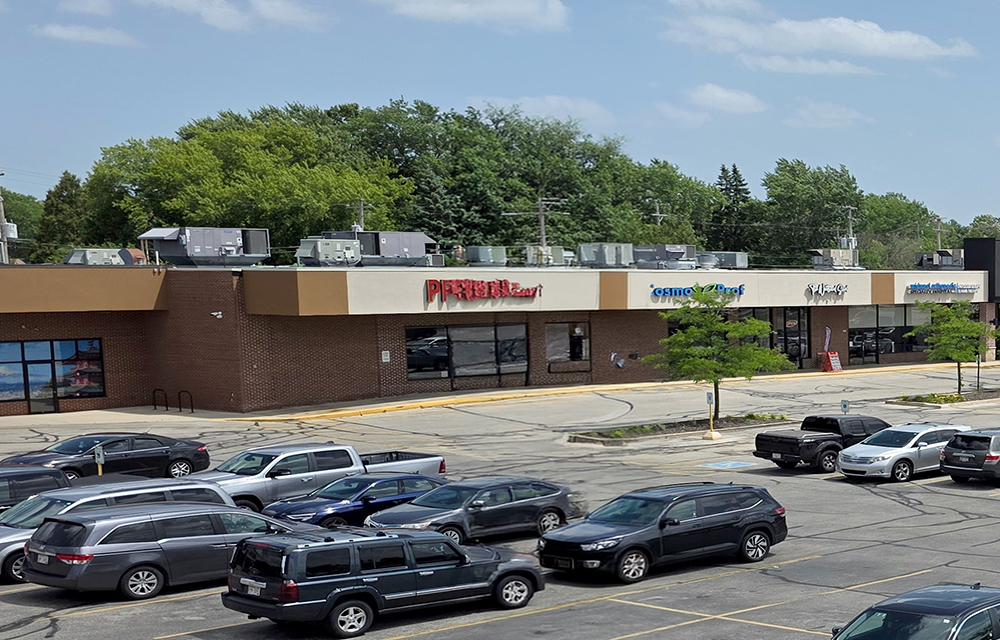
United Properties Corp. expands Wisconsin and Illinois retail presence adding 200,000 s/f
West Allis, WI United Properties Corp. completed two retail acquisitions totaling $27.4 million across Illinois and Wisconsin, adding 205,000 s/f of shopping center space to its portfolio






Columns and Thought Leadership

Hunt commercial real estate question and answer: Fortune 500 wisdom - by David Hunt
Yes, there are lessons to be learned from the largest companies in America when comes to managing your real estate. But the decision to buy or lease real estate may not be one of

New York’s streets are full again, and the retail numbers prove it - by Noam Aziz
Walk down any New York block this year and you can feel it. The sidewalks are crowded, the storefronts are lit, and the energy that defines this city is back at full volume.

A guide to finding the right NYC property management company - by Sanjay Gandhi
Being a small to midsize landlord in NYC is an increasingly demanding endeavor. From navigating complex regulations, increased compliance demands to dealing with tenant issues and remediating violations. It is wise to enlist the assistance of a partner, a professional

Positive forecast for New York’s pro-housing push? - by Philip Butler
New York’s housing crisis remains a hot button topic despite growing consensus that varied and affordable housing is desperately needed statewide. Governor Hochul has recently introduced several initiatives to overcome N.Y.’s anti-housing
.gif)