



News:
Brokerage
Posted: September 21, 2021
All’s well that ends well - by Steve Freidus

When I first met Johnny, he wore a work shirt, jeans, and sneakers. They had seen better days.
Looks can be deceiving. And was I deceived. Johnny parked cars in a garage he owned. In an office so small he had to leave it to change his mind, Johnny also kept the books and monitored the comings and goings of the garage traffic.
I broker property in Manhattan and with the very few exceptions my clients are charter members of the Bridge and Tunnel Club. They commute from their suburban homes to their Midtown offices.
Their uniform for the day—and for everyday—is all business. Applicants need not apply unless they wear a tie and a suit (until very recently the club was all male). Four years of college appear to be almost a prerequisite. And for some, an MBA or law degree guaranteed membership.
Johnny was the exception and exceptional. No suburban home for him. Instead a fourth floor walk-up tenement in what today is Clinton, but was then Hell’s Kitchen.
His longshoreman father schlepped containers on the nearby docks. His mother waited on tables in an Eleventh Ave. diner. Neither made it to the sixth grade.
By his parents’ standards, Johnny was educated. He graduated high school and then entered the School of Hard Knocks. His so-called “graduate work” was jockeying cars, changing tires, and repairing cars.
His recipe worked well: a strong work ethic sprinkled with native intelligence and a winning and pleasant disposition.
He saved his pennies and lived frugally. Ultimately, he purchased the garage and lived happily ever after. But—there usually is a “but”—his child was born with a very serious medical condition. Visits to many doctors were in vain. Finally, an intern diagnosed the problem.
His daughter is now a doctor and the intern who saved her life was her medical school professor.
Johnny is retired, collects a healthy rent from the company who leased his garage, and lives in the suburbs.
But in all the years I knew him, he never wore a suit and tie.
Never judge a book by its cover.
Caveat: This is a mix, as is most writing, of fact and fiction. Yes, there is a Johnny and he grew up in Hell’s Kitchen. His is a rags to riches story. Thanks to an intern turned professor, his daughter is a doctor. As to his parents’ lives, take their mini-bios with a grain or two of salt.
Oh, there isn’t a Bridge and Tunnel Club, but I hope you get the drift.
Steve Freidus is president of Freidus Properties, Manhattan, N.Y.
Tags:
Brokerage
MORE FROM Brokerage
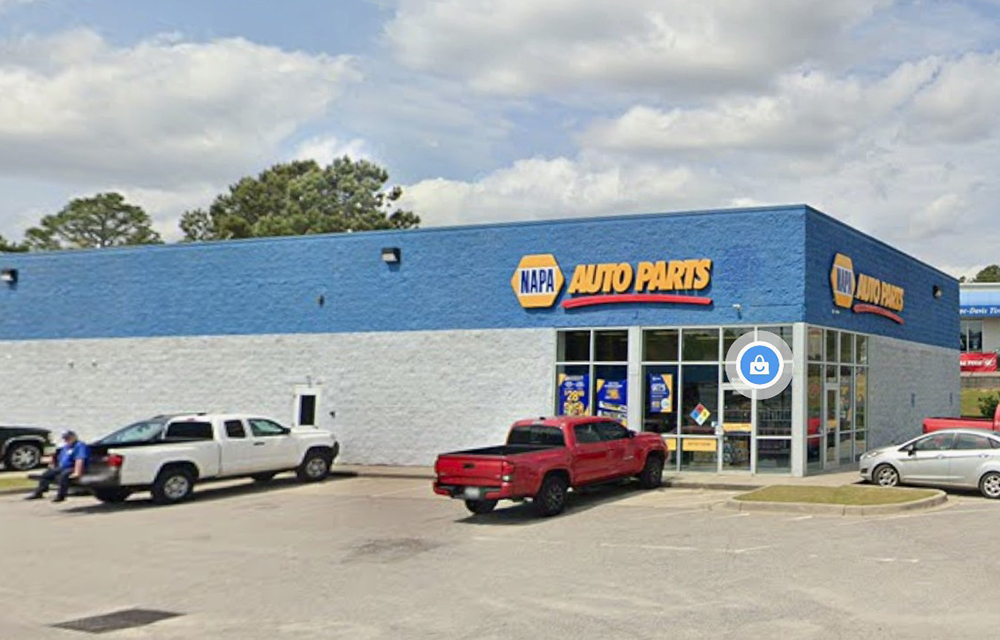
Marcus & Millichap brokers $15 million sale of multi-state NAPA Auto Parts portfolio
Palmetto, FL Marcus & Millichap brokered the sale of a nine-property NAPA Auto Parts portfolio for $15,025,104. The portfolio includes properties in Palmetto, FL.;




Quick Hits

Columns and Thought Leadership

New York’s streets are full again, and the retail numbers prove it - by Noam Aziz
Walk down any New York block this year and you can feel it. The sidewalks are crowded, the storefronts are lit, and the energy that defines this city is back at full volume.

A guide to finding the right NYC property management company - by Sanjay Gandhi
Being a small to midsize landlord in NYC is an increasingly demanding endeavor. From navigating complex regulations, increased compliance demands to dealing with tenant issues and remediating violations. It is wise to enlist the assistance of a partner, a professional

Hunt commercial real estate question and answer: Fortune 500 wisdom - by David Hunt
Yes, there are lessons to be learned from the largest companies in America when comes to managing your real estate. But the decision to buy or lease real estate may not be one of

Positive forecast for New York’s pro-housing push? - by Philip Butler
New York’s housing crisis remains a hot button topic despite growing consensus that varied and affordable housing is desperately needed statewide. Governor Hochul has recently introduced several initiatives to overcome N.Y.’s anti-housing
.gif)