



News:
Brokerage
Posted: October 27, 2015
Akerman reps Northstar in $224 million 24-property portfolio acquisition
LOS ANGELES, CA Akerman LLP, a top 100 U.S. law firm serving clients across the Americas, represented Northstar Commercial Partners, a privately held commercial real estate investment firm, in a $224 million joint venture investment that resulted in a multistate acquisition of a 24-property industrial, office, and retail portfolio.
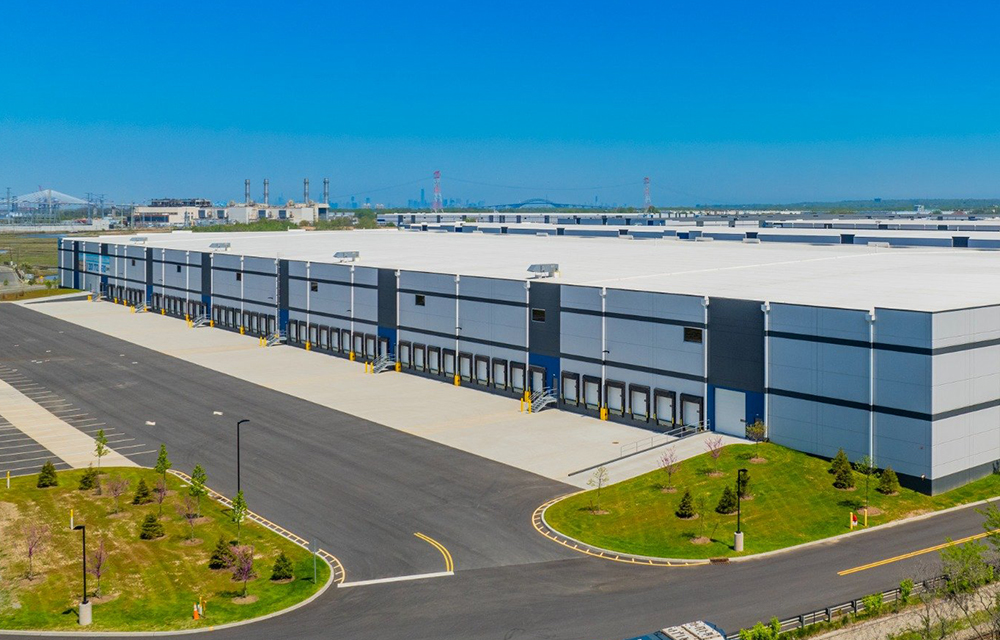
The 5.9 million s/f portfolio comprises of 13 industrial properties, eight office assets and three retail properties located in 12 states, including California, New York, Texas, Pennsylvania, Connecticut, Washington, Virginia, Tennessee, South Carolina, Georgia, Alabama and Arizona. The deal was financed by a combination of preferred equity, institutional debt and a private placement together with a private investment capital which was used to form a joint venture between NorthStar and American-Israeli real estate company ALTO Real Estate Funds.
The transaction is another example of recent real estate mega deals that are being driven by alternative funding sources, including Israeli capital, which continues to build momentum as a viable equity source for large-scale real estate investment and development projects across the United States.
In a press release issued by Northstar Commercial Partners and ALTO Real Estate Funds, Brian Watson, Northstar’s Founder & CEO said, “This deal is the most significant acquisition in Northstar’s company history, bringing along with it our largest opportunity to date to create a positive impact for businesses and local communities nationwide. It is very rare in this economic environment to acquire an off-market deal of this magnitude, diversity, and low occupancy rate, in order to drive very attractive opportunistic level returns.”
Real estate transactional partners Howard Gelt in Denver and Jane Hinton in Los Angeles led a multi-office cross-practice Akerman team working on parallel tracks to close the deal within a three month period. The Akerman team worked within the accelerated timeframe to secure all of the necessary real estate approvals for the acquisition and the financing of the deal, including the joint venture, and structuring the corresponding corporate and tax issues. They also lead a team of local counsel in more than ten different jurisdictions on matters ranging from environmental and land use issues, to the issuance of opinion letters and finance related approvals.
Tags:
Brokerage
MORE FROM Brokerage

Koeppel Rosen inks 16-year 33,783 s/f lease for coworking firm Nomadworks at 122 West 27th St.
Manhattan, NY According to Koeppel Rosen LLC, leasing and management agent for the Rosen family portfolio, Nomadworks has signed a new 16-year, two-month lease totaling 33,783 s/f at 122 West





Quick Hits
 (2).gif)

Columns and Thought Leadership

The art of investing in real estate - by Thomas Donovan
Real estate investing is as much an art as it is a skill. No one can time the market, or the factors that drive it, perfectly. Location, zoning, size, transportation, and neighborhood density give you a baseline for

New York’s streets are full again, and the retail numbers prove it - by Noam Aziz
Walk down any New York block this year and you can feel it. The sidewalks are crowded, the storefronts are lit, and the energy that defines this city is back at full volume.

Hunt CRE question and answer: Choosing a real estate agent - by David Hunt
First, we will only work with one agent exclusively. The primary reason is that we want that agent to legally represent our client’s interests. In New York State, a real estate agent has a fiduciary

Hunt commercial real estate question and answer: Fortune 500 wisdom - by David Hunt
Yes, there are lessons to be learned from the largest companies in America when comes to managing your real estate. But the decision to buy or lease real estate may not be one of
.gif)