



News:
Construction Design & Engineering
Posted: November 20, 2018
A technology masterplan for your facility: Systems, management, security and interactions - by Ed Macey- MacLeod

Shen Milsom & Wilke
A technology masterplan sets out how an organization, facility or project will use technology. For a new-build, commercial core-and-shell development, this will mean setting out criteria for the selection, design, installation, maintenance and replacement of all technology items, even those we may not consider to be “technology.”
When we hear the word “technology,” we might think of Wi-Fi, a video wall or some techy gadget. But a fire alarm system is just as much a piece of technology as these flashier items, and so we need to think about its selection criteria holistically.
A technology masterplan is a “bible” that a developer can give to its development team, consulting engineers and tenants. It describes the developer’s approach to the technology in the facility. It is a comprehensive, coordinated vision for how the facility will use technology.
So what is in a technology masterplan?
The plan consists of four sections: Systems, management, security and interactions.
Systems
The systems section lists each and every system the masterplan covers, from sprinkler monitoring to public address systems.
For each system, the plan details:
• The communications protocol.
• Wiring for power and communication.
• Acceptable contraventions.
• Naming requirements.
• Minimum metadata requirements.
• Minimum non-regulatory certifications (Energy Star, UL Cybersecurity, etc.)
• Whether it is managed through its own system or a central system.
• A list of systems that the system can interact with.
• Newer technologies that are not yet adopted but should be considered on a case-by-case basis. For example, a few years ago Power over Ethernet lighting might have been stated as one such newer technology.
• Applicable national and international standards that should be employed to design the systems.
Management
The management section describes how equipment should be managed through its individual lifecycle, specifically how it will be used, maintained, updated, replaced and recycled.
It also details how the facilities team, tenants and maintenance contractors will access the systems.
Security
The security section describes how the equipment will be secured, both physically and logically (cybersecurity). It further sets out how the security will be routinely tested.
Interactions
The interactions section gives a narrative of each of the base interactions that the systems will be capable of. See our post about interactions for more detail.
So what is in a technology masterplan?
To create a technology masterplan, here at Sterling, we take the following steps:
• Assess the facility.
• Establish the lifecycle of the facility.
• Determine the type of investment.
• Assess if the facility will need to have energy, security and technology certifications mandated by the planning process or code requirements.
• Assess if the facility will need to have energy, security and technology certifications mandated by developer, tenant or the market.
• Clarify the masterplan’s use. Is it for full fit-out, floors and ceilings, core-and-shell, etc.?
• Establish what plant and systems will be installed for landlord services.
• Establish what plant and systems will be installed for tenant services.
• Set out the management of those systems and their integration with other systems.
Create Once and Use Again
A developer should only need to create a technology masterplan once as they can then tailor it to each future project they develop. This template masterplan should be reviewed whenever there are significant technological advancements.
Project-Specific Masterplans
As a project progresses through the design stages, the design team should update the technology masterplan to be project-specific. This allows the tenants and facilities team to make use of the masterplan when the facility is in use.
Ed Macey-MacLeod, CISSP CDT RCDD is a senior consultant at Shen Milsom & Wilke (SM&W), New York, N.Y.
MORE FROM Construction Design & Engineering
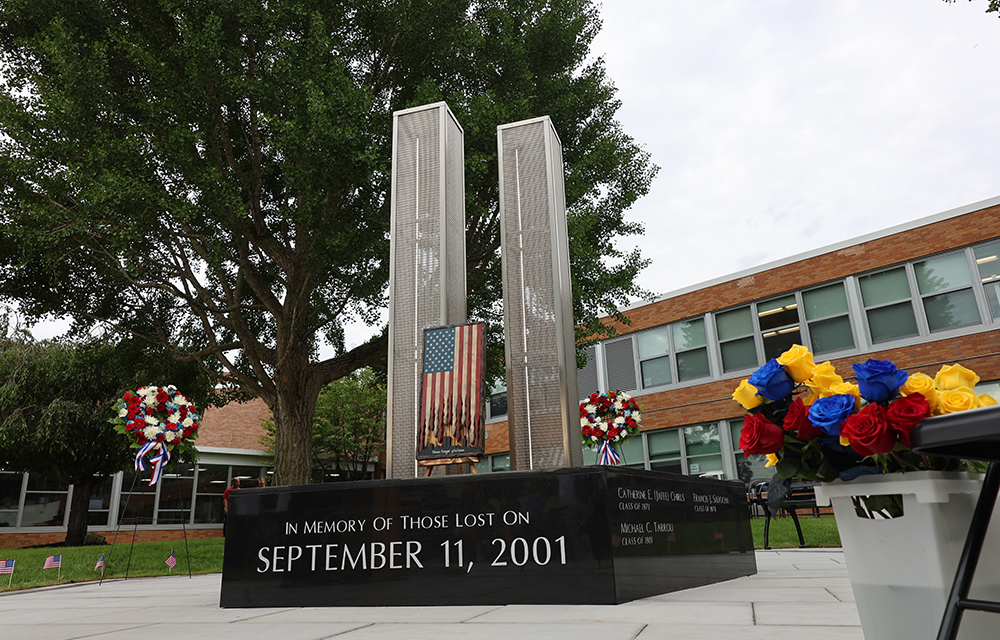
MDS Architecture designs memorial to pay tribute to those lost on September 11
Wantagh, NY A new 9/11 memorial designed as a lasting place of reflection, remembrance and resilience was formally dedicated on September 11, 2026 at Wantagh High School, honoring those who lost their lives in the 9/11 terrorist attacks and ensuring their memory will be carried forward for generations.



Columns and Thought Leadership

We support green construction. Just not this kind - by Tammy Smith
Most people think of St. Patrick’s Day as a fun footnote on the calendar. In construction logistics, however, it’s a full-scale operational variable — especially if your work touches major metro areas with major parades and, let’s call it what it is, enthusiastic celebrants.

Premium experiences, proven returns: The New revenue playbook for sports venues - by Terry McIntyre
Investing in the Fan Experience as a Revenue Strategy The sports and entertainment venues that bet on premium experiences years ago are now seeing those investments pay off in packed seats, increased revenue, and industry recognition.
