



News:
Brokerage
Posted: April 21, 2014
A look at on-line commercial real estate property auctions: Dispelling the myths
Auctions have been part of the real estate ecosystem for as long as anyone can remember. Traditionally, auctions have been used as the preferred method of sales at both ends of the real estate value spectrum: selling the most expensive and unique luxury and specialty properties, or helping financial institutions dispose of "scratch and dent" inventory. In the commercial real estate space, auctions have historically been used to move distressed inventory, but the industry is undergoing extraordinary shifts in buyer and seller activity - driven largely by technology and the Internet - that is changing the way auctions are used in the commercial real estate space.
Auction.com, LLC, the nation's leading on-line real estate marketplace, has sold nearly $20 billion in commercial and residential real estate assets since 2010 and is transforming the way real estate is bought and sold. The growing number of auction participants - those who realize the value of buying and selling through auction - is allowing the company's business to flourish.
The Auction.com on-line platform attracts a global pool of bidders who vie for every commercial property in a highly-competitive, transparent bidding process. This ensures a good deal for both sides and has produced a database of repeat customers - both sellers and buyers - that numbers in the tens of thousands.
Some people still consider auctions as strictly a means to dispose of distressed assets, and there remain several myths that cause uninformed buyers and sellers to miss opportunities.
Myth: An auction is the avenue of last resort.
Fact: For the most sought-after properties, auctions turn a good conventional sale into a great sale. In fact, more than 30% of the commercial properties sold by Auction.com in 2013 were non-distressed assets.
Myth: Buying at auction means buying "sight-unseen."
Fact: Auction.com offers full due diligence, just like a conventional process, in the form of fully secure, on-line data vaults that provide comprehensive information, as well as managed site visits.
Myth: Auctions are for smaller assets only.
Fact: Auction.com regularly sells office, retail, multifamily, mixed-use, and other assets with high values, located in prime markets. Recent sales include a class A office asset in Glendale, CA, which sold for $73 million, a research facility in Orange County, CA that sold for more than $50 million, and Trail Village, a 15-acre shopping center property in an affluent North Dallas neighborhood.
Despite these myths, auctions are often the best way to establish true market value for commercial real estate properties. And Auction.com is leading the transformation of the industry, bringing buyers and sellers together by combining the global reach and 24/7 access of the Internet with the efficiency and transparency of auctions. Find out why an on-line auction might be your best option - visit www.auction.com to learn more.
Rick Sharga is the executive vice president of Auction.com, LLC Irvine, CA.
Tags:
Brokerage
MORE FROM Brokerage
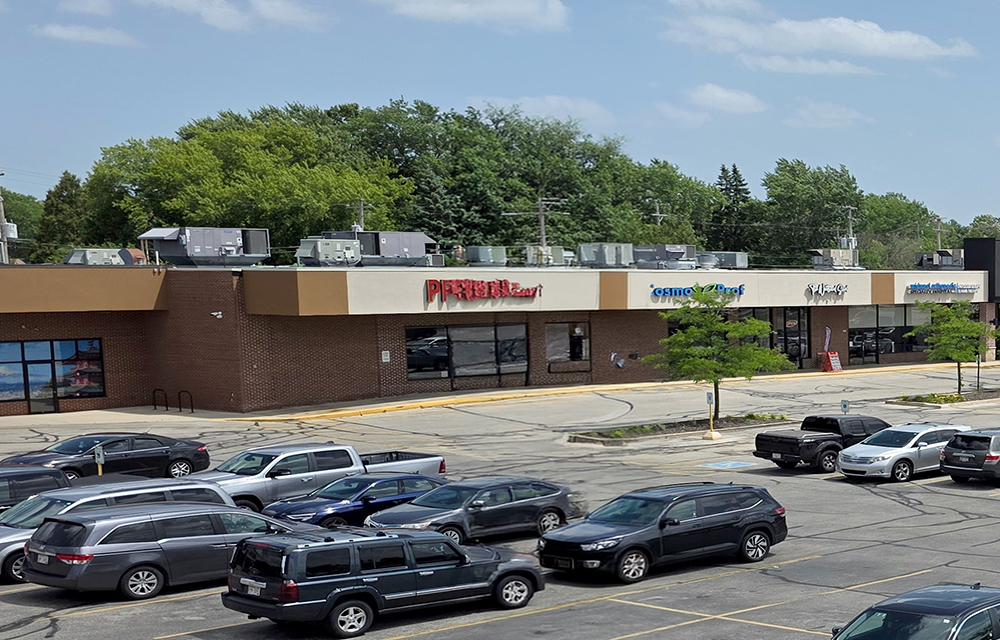
United Properties Corp. expands Wisconsin and Illinois retail presence adding 200,000 s/f
West Allis, WI United Properties Corp. completed two retail acquisitions totaling $27.4 million across Illinois and Wisconsin, adding 205,000 s/f of shopping center space to its portfolio






Quick Hits

Columns and Thought Leadership

A guide to finding the right NYC property management company - by Sanjay Gandhi
Being a small to midsize landlord in NYC is an increasingly demanding endeavor. From navigating complex regulations, increased compliance demands to dealing with tenant issues and remediating violations. It is wise to enlist the assistance of a partner, a professional

New York’s streets are full again, and the retail numbers prove it - by Noam Aziz
Walk down any New York block this year and you can feel it. The sidewalks are crowded, the storefronts are lit, and the energy that defines this city is back at full volume.

Hunt commercial real estate question and answer: Fortune 500 wisdom - by David Hunt
Yes, there are lessons to be learned from the largest companies in America when comes to managing your real estate. But the decision to buy or lease real estate may not be one of

Positive forecast for New York’s pro-housing push? - by Philip Butler
New York’s housing crisis remains a hot button topic despite growing consensus that varied and affordable housing is desperately needed statewide. Governor Hochul has recently introduced several initiatives to overcome N.Y.’s anti-housing
.gif)