



News:
Brokerage
Posted: March 12, 2012
A look at green leasing
As the costs of energy-efficient retrofits and green practices trend downward, they are becoming more common, and less of a novelty in commercial buildings. A "green lease" is an effective tool for allocating the costs and benefits of operating a green building between the landlord and tenant. Unlike a traditional lease, a green lease encourages the parties to work together through the construction and occupancy phases, and create opportunities for both parties to reduce operating expenses.
Provisions of a green lease will vary depending upon the scope of energy-efficient building systems and green practices in the building. At the most basic level, a building's recycling program and government-mandated energy reporting should be addressed. On the other hand, a lease in an aspiring or existing LEED-certified building should be much more extensive, and allocate responsibility for the denial of or loss of certification. Other common green leasing provisions include green cleaning, use of Energy Star electronics, energy-efficient lighting, metering, and marketing of the building's sustainable features.
Working with a real estate attorney that understands the complexities of these emerging issues can make the leasing process manageable and help avoid potential issues down the road. Green is not a fad, it is the future.
Brian Sahn, Esq., is a partner and Jared Newman is a law clerk at Forchelli, Curto, Deegan, Schwartz, Mineo, Cohn & Terrana, LLP, Uniondale, N.Y.
Tags:
Brokerage
MORE FROM Brokerage
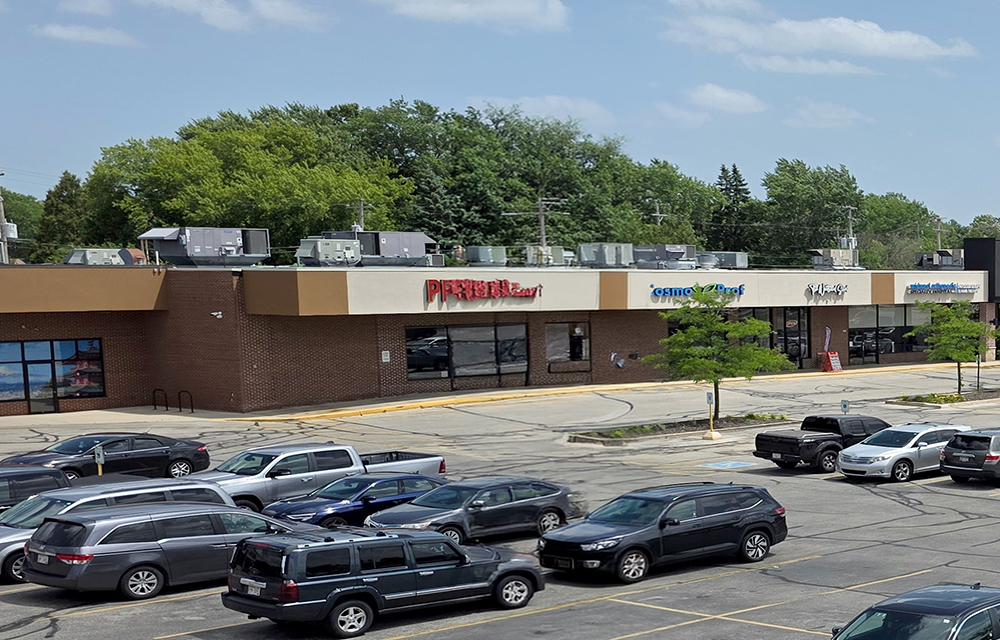
United Properties Corp. expands Wisconsin and Illinois retail presence adding 200,000 s/f
West Allis, WI United Properties Corp. completed two retail acquisitions totaling $27.4 million across Illinois and Wisconsin, adding 205,000 s/f of shopping center space to its portfolio




Quick Hits
 (2).gif)

Columns and Thought Leadership

New York’s streets are full again, and the retail numbers prove it - by Noam Aziz
Walk down any New York block this year and you can feel it. The sidewalks are crowded, the storefronts are lit, and the energy that defines this city is back at full volume.

Hunt commercial real estate question and answer: Fortune 500 wisdom - by David Hunt
Yes, there are lessons to be learned from the largest companies in America when comes to managing your real estate. But the decision to buy or lease real estate may not be one of

A guide to finding the right NYC property management company - by Sanjay Gandhi
Being a small to midsize landlord in NYC is an increasingly demanding endeavor. From navigating complex regulations, increased compliance demands to dealing with tenant issues and remediating violations. It is wise to enlist the assistance of a partner, a professional

Positive forecast for New York’s pro-housing push? - by Philip Butler
New York’s housing crisis remains a hot button topic despite growing consensus that varied and affordable housing is desperately needed statewide. Governor Hochul has recently introduced several initiatives to overcome N.Y.’s anti-housing
.gif)