



News:
Brokerage
Posted: August 26, 2013
A lawyer discusses some pointers about co-op apartment renovations in New York
Renovations of individual co-op apartments have become increasingly common and complex matters. Many New Yorkers have chosen to stay in their apartments as their families expand, rather than buying houses in the suburbs. As a result, many families have bought two and sometimes three apartments and decided to combine them in order to acquire the space that they need. These renovations are sometimes multi-million dollar affairs. In some co-op buildings, half the apartments are combined apartments.
There are also more instances of co-op apartment owners buying portions of hallway and roof top space to complete their plans. There may be top floor apartment owners who want to build on the roof. There was a time when co-op buildings routinely said "no" to renovations involving wet over dry work. That has changed. Some buildings now allow that, much to the dismay of the families living below such projects, and there is little that can be done to prevent it. Boards have required waterproofing and other safeguards before allowing such projects. Boards are also operating under the "business judgment rule" which allows them wide latitude on what they can allow.
I always advise my clients to have the plans and specifications complete before the work commences. Of course boards will also be requiring that before they approve the work. However, if changes are made in the middle of construction or major "unforeseen circumstances" arise, the project is more vulnerable to being stopped by the board while things are straightened out. Starting with the plans being "mostly done" leads to change orders and delays very quickly. Work may need to stop to sort out design issues and to get pricing and approval for those changes.
All boards worry about having the "projects from hell" that never seem to end. They were supposed to take only a few months and they are still going on after one year. The neighbors are angry with the co-op and the management company because the banging and the noise never end. While the alteration agreement may allow the board of the co-op to charge for each day the project is late, this can add up to a very large sum of money, which can lead to other problems if it is not paid and it also does not get the project completed any sooner.
Never take neighboring apartment owners for granted. When projects are extensive and there is a lot of banging, there is almost always some damage to neighboring apartments. There are also horror stories about massive leaks created by renovations. It is easy to say, "Well, they have insurance." However, sometimes claims are denied or go into litigation. It is always best if everyone has their own policies. That way it is more likely to be paid and the insurance companies will sort it out amongst themselves.
It is also wise to photograph the neighboring apartments on either side and above and below the one being worked on before any work starts to lessen the likelihood of unjustified claims for damages. In some buildings, the managing agents routinely require that. Otherwise, it is a good idea for the architect or contractor to ask if they can do it before work is started. Some neighbors welcome that as long as they get a copy of the photographs or video tape. This information is invaluable if there is ever any litigation or claims made to an insurance company. Some buildings keep a damage security deposit for "smaller" cracks and issues and sometimes that money can be paid out faster than an insurance claim.
Get it in writing. There can be major disagreements over what the building has allowed to be done and what the shareholder is actually doing. The work cannot exceed or be substantially different than what was approved by the board. The building can compel the renovating party to restore the renovated area back to the original condition.
Always consult legal counsel knowledgeable in this area before signing any contracts and at the first sign of trouble during the construction. It will save a lot of problems down the road.
C. Jaye Berger, Esq., is the principal of Law Offices C. Jaye Berger, New York, N.Y.
Tags:
Brokerage
MORE FROM Brokerage
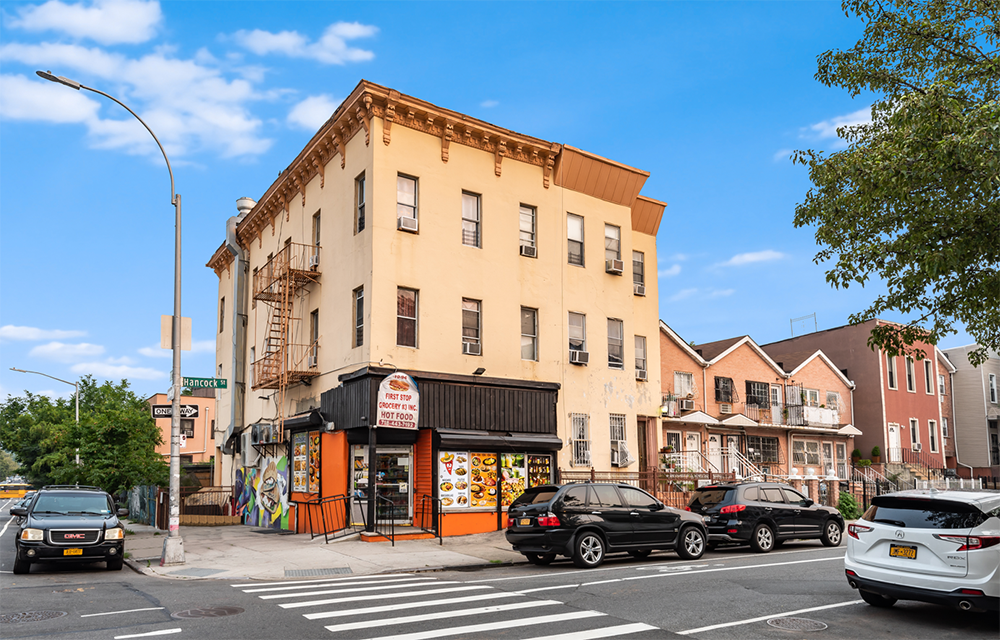
Investment Property Realty Group closes $1.75 million sale of 1094 Hancock Street in Brooklyn
Brooklyn, NY Investment Property Realty Group (IPRG), a New York-based commercial investment firm, has closed the sale of 1094 Hancock St., a mixed-use building in the Bushwick section, for $1.75 million.


Quick Hits
 (2).gif)

Columns and Thought Leadership

A guide to finding the right NYC property management company - by Sanjay Gandhi
Being a small to midsize landlord in NYC is an increasingly demanding endeavor. From navigating complex regulations, increased compliance demands to dealing with tenant issues and remediating violations. It is wise to enlist the assistance of a partner, a professional

Hunt CRE question and answer: Choosing a real estate agent - by David Hunt
First, we will only work with one agent exclusively. The primary reason is that we want that agent to legally represent our client’s interests. In New York State, a real estate agent has a fiduciary

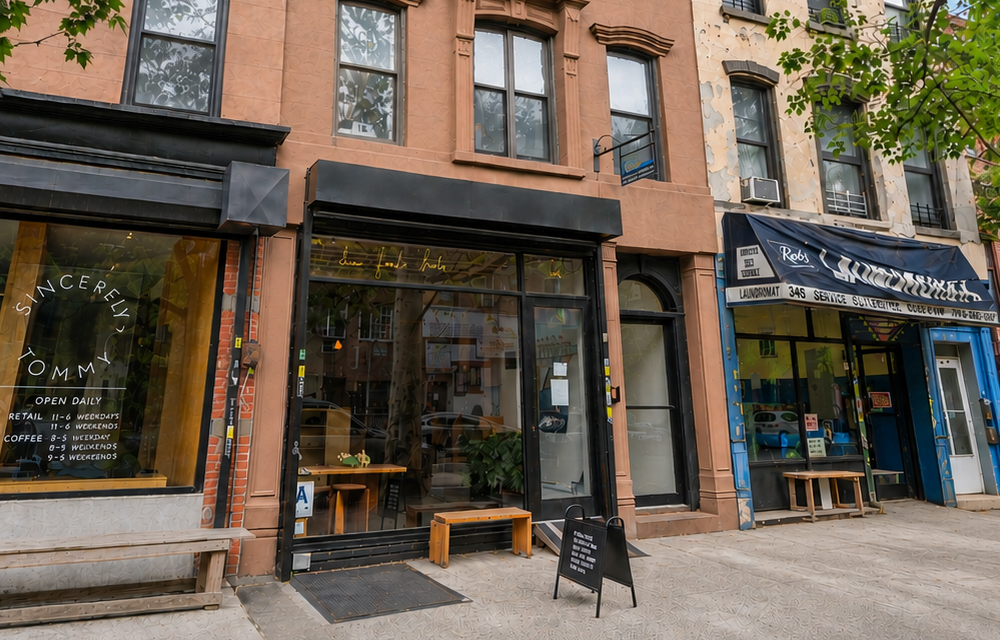
New York’s streets are full again, and the retail numbers prove it - by Noam Aziz
Walk down any New York block this year and you can feel it. The sidewalks are crowded, the storefronts are lit, and the energy that defines this city is back at full volume.

Hunt commercial real estate question and answer: Fortune 500 wisdom - by David Hunt
Yes, there are lessons to be learned from the largest companies in America when comes to managing your real estate. But the decision to buy or lease real estate may not be one of
.gif)