



News:
Spotlight Content
Posted: March 22, 2022
2022 Women in Construction: Andrea Steele, Andrea Steele Architecture
Name: Andrea Steele
Title: Principal
Company Name: Andrea Steele Architecture (ASA)
What advice would you offer to other women getting into the architecture/construction industry?
You cannot think of the built building as your deferred fulfillment, or the recognition that may follow as your validation. You must enjoy the process—as what you experience is the process. Architecture is the long days, weeks, and years developing the design, building the relationships, and learning about new and better ways to build. It is the time you spend learning about the communities you seek to serve. The building may be the goal for which you were hired, but the value we bring as architects is the collective learning process. To find fulfillment and reward in that process will not only result in better design but lead to greater personal and professional development.
Why should women consider a career in architecture/construction?
Our natural and man-made world has a profound influence on our lives. Our physical world has the power to connect us. Connect us to each other, connect us to resources, and connect us to a sense of place. Every decision made in the design and execution of our world can either help or hurt us, individually and collectively. There is no neutral. To pursue a career in architecture or construction is to choose to be a critical collaborator in the creation of our shared futures.
Starting out in the architecture/construction business, who empowered you?
When I began my career, I was fortunate to work for a firm where two of the three partners were women, the project manager of my design team was a woman, and the lead contractor was a woman, who was previously trained as an architect. She took me under her wing and spent time explaining how my lines on the paper translated to the built world. She was so generous with her time. It was an incredible growing experience and one that continues to inspire me to find teaching moments to share and empower.
Tags:
Spotlight Content
MORE FROM Spotlight Content

NYREJ's 2026 Developing Long Island Spotlight is here!
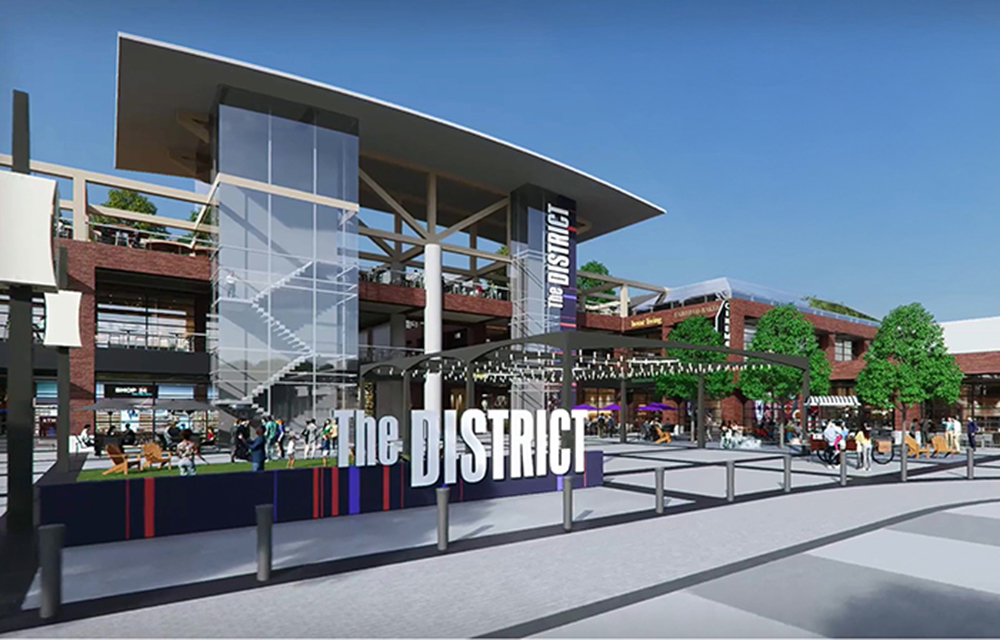
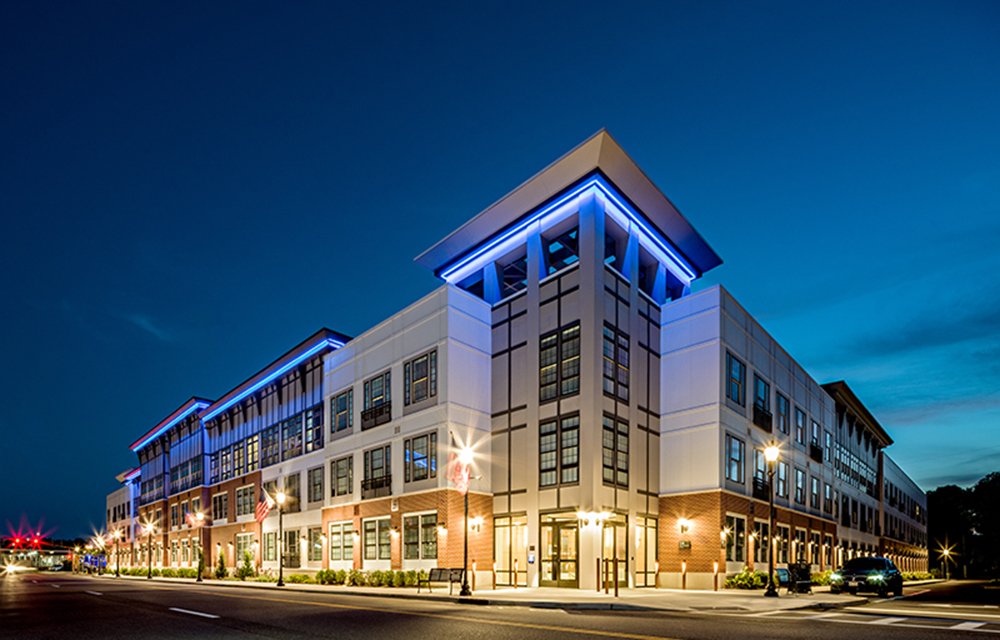
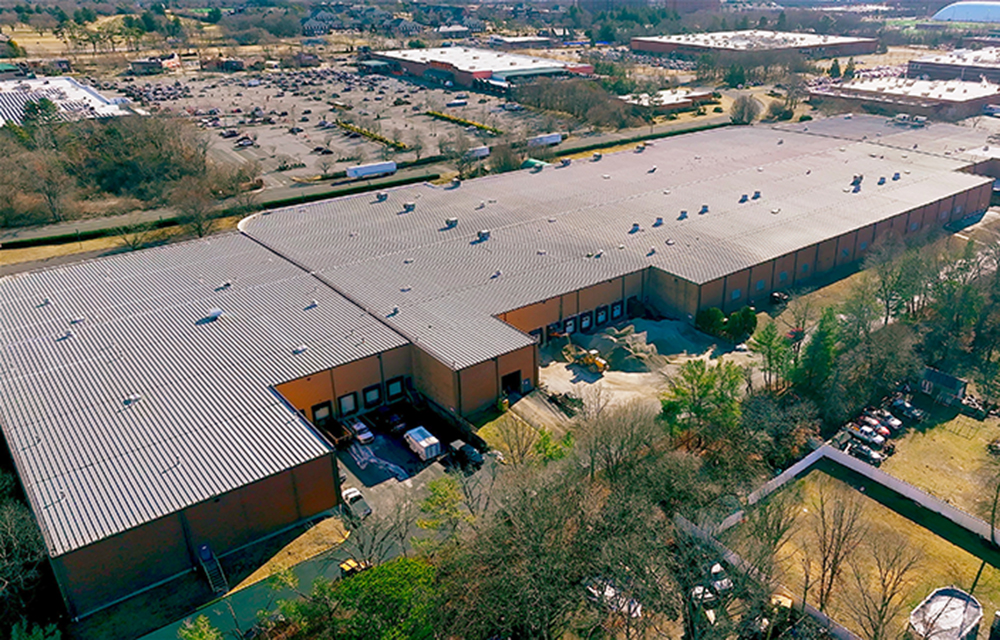
This spotlight showcases projects completed and currently under construction across Long Island as well as highlights improvements made to the region through Industrial and Economic Development Agencies and BIDs.

.png)



Columns and Thought Leadership

From vacancy to vitality: How adaptive reuse is reshaping Long Island’s CRE landscape - by Andrea Tsoukalas Curto
Adaptive reuse has become one of the most important conversations in commercial real estate today. Long Island has a large inventory of aging retail, office and industrial

Properly serving a lien law Section 59 Demand - by Bret McCabe
Many attorneys operating within the construction space are familiar with the provisions of New York Lien Law, which allow for the discharge of a Mechanic’s Lien in the event the lienor does not commence an action to enforce following the service of a “Section 59 Demand”.

CRE Guide Featured Company: Merritt Environmental Consulting Corp.
Merritt Environmental Consulting Corp. (MECC) was established in June of 2009 after being part of a larger engineering firm for almost 20 years. The focus of the company is to assist lending institutions, attorneys, real estate investors, and property owners with environmental concerns. Today, MECC has offices in New York, Florida, and Vermont and has grown into a regional consulting firm serving clients along the East Coast.

2026 Developing Queens: Long Island Board of Realtors advances commercial growth and advocacy in Queens
The Long Island Board of Realtors (LIBOR) Commercial Network continues to play a key role in advancing opportunities and strengthening the commercial real estate landscape across Queens. Through targeted programming and global outreach