



News:
Spotlight Content
Posted: June 22, 2021
2021 Women in Building Services: Karalisa Grundner, BBS Architects, Landscape Architects and Engineers PC
Name: Karalisa Grundner AIA, LEED AP BD+C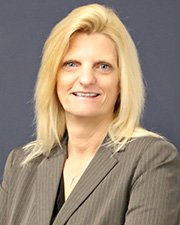
Title: Senior Associate
Company Name: BBS Architects, Landscape Architects, & Engineers, P.C.
Real estate associations or organizations that you are currently a member of: AIA
What did you want to be when you grew up?
My career began by trial and error! I started out on a computer science path in college and realized it was not for me. My father was a small home improvement contractor and I started gaining interest in construction and design industry.
What led you to your current profession?
At the time, it was not an easy time for women to get into or work in construction, which got me started down the path of architecture and design. Ultimately, architecture and construction disciplines work together to accomplish a common goal, and I’m grateful to be a part of the AEC industry.
Who was/is your mentor and how did s/he influence/help you in your career?
I had a mentor very early on in my career, his name was Ira Haspel and was my first employer while I was in college. He owned a small architectural practice. I learned so much from him and his wife. They had a profound impact on my early years in this profession.
In the past year, what project, transaction or accomplishment are you most proud of?
Being able to keep our projects in forward momentum and afloat while dealing with various complications of shut downs and learning to adapt to new modes of communication in the midst of a pandemic.
What trends will dominate your industry in the coming months?
Finances. The AEC industry will be reactive to the economy. Governmental agencies directly affect policy, which will in turn trickle to our industry to determine which projects move forward. Additionally, the substantial increase in costs of materials will also significantly impact the AEC industry. Hybrid, work from home environments in turn affect both residential and commercial real estate.
How do you contribute to your community or profession?
Mentoring within the office. It is vital the newer architects learn the nuances of this industry and how to effectively problem solve.
What books or social media influencers would you recommend to other women?
I regularly read Architecture Magazine to follow trends in our industry.
Tags:
Spotlight Content
MORE FROM Spotlight Content

The commercial classroom: 1031 tax-deferred exchanges - by Edwad Smith Jr.
The sale of real estate may trigger capital gains taxes on the net profits of that sale. These taxes may be deferred by participating in a 1031 tax exchange, in essence, by purchasing property(s) to replace the




.png)

 (2).gif)

Columns and Thought Leadership

CRE Guide Featured Company: Merritt Environmental Consulting Corp.
Merritt Environmental Consulting Corp. (MECC) was established in June of 2009 after being part of a larger engineering firm for almost 20 years. The focus of the company is to assist lending institutions, attorneys, real estate investors, and property owners with environmental concerns. Today, MECC has offices in New York, Florida, and Vermont and has grown into a regional consulting firm serving clients along the East Coast.

From vacancy to vitality: How adaptive reuse is reshaping Long Island’s CRE landscape - by Andrea Tsoukalas Curto
Adaptive reuse has become one of the most important conversations in commercial real estate today. Long Island has a large inventory of aging retail, office and industrial

2026 Developing Queens: Long Island Board of Realtors advances commercial growth and advocacy in Queens
The Long Island Board of Realtors (LIBOR) Commercial Network continues to play a key role in advancing opportunities and strengthening the commercial real estate landscape across Queens. Through targeted programming and global outreach

2026 Developing Long Island: ERG Commercial Real Estate launches its new Retail Leasing division
North Hempstead, NY ERG Retail Leasing is the dedicated leasing division of ERG Commercial Real Estate, an established full-service commercial real estate brokerage for over 35 years.