


 (2).gif)
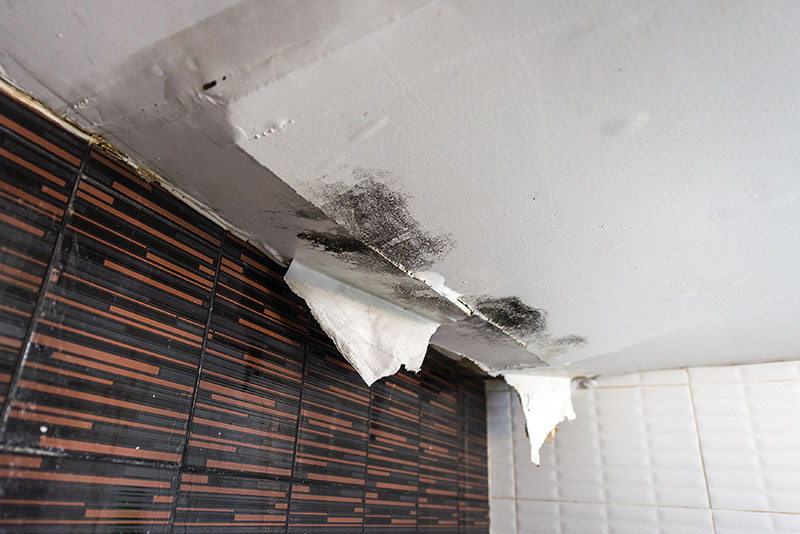
With record breaking rain along the eastern seaboard, buildings and residents have been hit with torrential downpours, floods, power outages and leaks. To add insult to injury, local news outlets have described this year’s hurricane season as one of the worst yet due to studied weather patterns. What does all of this mean for our buildings?
As many building owners and managers know, this type of weather means unwanted leaks, damaged roofs, and a whole range of building envelope problems. While these conditions often demand an immediate reactive response, it is critical for owners and managers to incorporate proactive measures as well, such as maintenance and planning programs which will ensure that the building and its tenants are protected in the future.
Here are some tips that will help lessen the blow on facilities threatened by the rain, hurricanes and flooding:
Assess Exterior Components
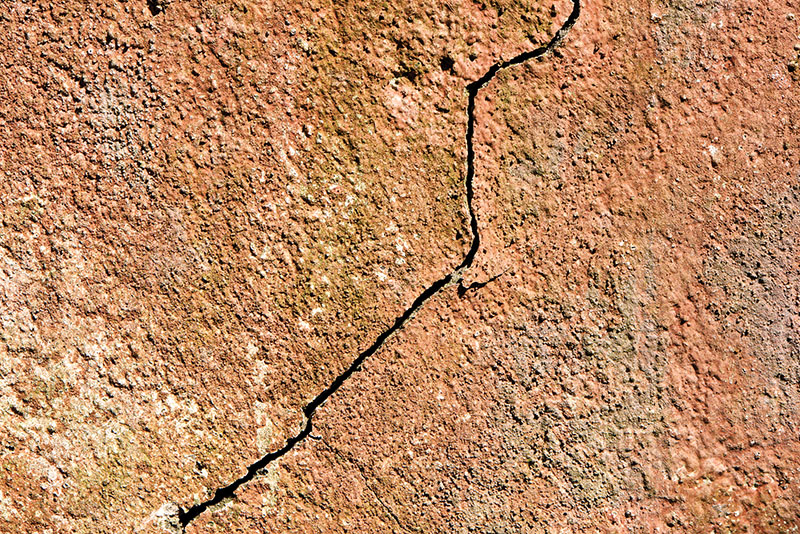
Rainy conditions and high winds can severely impact the exterior components of a building, leading to moisture infiltration through cracks in exterior masonry and deterioration of waterproofing and roofing systems. Try to take note of which locations need repair – for example, if you have water ponding on your roof, are currently experiencing leaks, or structural problems occur, report them to an engineer and request a professional inspection with recommendations.
Address Repairs Immediately
When there is damage to specific building components, don’t procrastinate on repairs. For example, failed sealant is the leading cause of window leaks, so be sure to reseal joints and windows on a regular basis, where sealant has shrunk or cracked. You should also repair or replace cracked masonry, rusted lintels and deteriorated mortar joints as soon as possible to prevent further damage and deterioration.
Assemble a Repair Plan
If there’s one thing seasoned building owners and property managers can attest to, it’s that putting off repairs will always cost more down the road. External factors, such as severe weather during hurricane season, exact a heavy toll on buildings. By being proactive and budgeting for a routine repair and maintenance program, owners and managers can protect themselves against unnecessary emergencies and unforeseen expenses.
If you need immediate assistance, or would like to schedule a building survey to determine existing areas of concern, please feel free to contact us.
Mario Cirigliano is vice president at Merritt Engineering Consultants, P.C., Bayside, N.Y.

.png)










