



News:
Brokerage
Posted: September 4, 2015
The effect of bankruptcy code on comm'l. leases (Part 2)
Part 1 ran in the New York City Section of the 7/28 Edition of NYREJ.
Part 1 of this article discussed the debtor's assumption or rejection of its unexpired lease. Part 2 discusses additional code provisions impacting upon a commercial tenant's bankruptcy filing.
Upon the filing of a bankruptcy petition, a statutory injunction, called the automatic stay: (a) halts virtually all actions and proceedings that are then pending against the debtor at the time of the bankruptcy case's commencement; (b) stays the institution of new actions and proceedings; and (c) stays any act to enforce the terms of the unexpired lease or to create, perfect, or enforce any lien or judgment against the debtor's property.
During the pendency of the bankruptcy stay, the landlord cannot set off past due rent by applying the tenant's cash security deposit, since it is deemed to be the debtor's property that is simply being held in escrow by the landlord. However, the landlord does not have to surrender the cash security deposit to the tenant, until there is an ultimate determination regarding it. By contrast, a letter of credit is the obligation of the issuing bank, and thus not the debtor's property, so the automatic stay will not impede the landlord's ability to reach the proceeds of the letter of credit.
During the pendency of the bankruptcy, the code authorizes the court to grant a landlord relief from the automatic stay "for cause," the definition of which is determined on a case-by-case basis. Examples of cause to lift the stay include: (a) the debtor's failure to pay use and occupancy after the filing of the bankruptcy case; (b) the landlord's desire to obtain a final determination of a pending state court action or proceeding; or (c) the execution of a warrant of eviction issued prior to the bankruptcy case's filing, since the bankruptcy court cannot resurrect a lease that was terminated under state law prior to the filing of the tenant's bankruptcy petition.
Under the code, there are special procedures that must be followed to assert a claim against the bankrupt individual or entity. A Proof of Claim is a written statement that lists the amounts of money alleged to be due from the debtor. The time parameters for filing a claim depend on the type of bankruptcy case that is pending. While, for cause shown, the court may extend the time within which claims are filed, it is always best to submit them within the delineated time frames.
The deadline imposed by the court for filing a claim is called a bar date. The court may accept a late claim if the failure to file timely is due to excusable neglect, which is defined as a unique or extraordinary circumstance beyond the creditor's control, such as insufficient notice. If the bar date is missed, the claim may be precluded from receiving any estate distribution. A creditor may generally amend a claim, provided the original claim was filed before the bar date. If there is an objection to a landlord's claim for future rent arising from a rejected lease, the court will determine the amount under a statutory formula provided in the code.
An administrative expense is different from a pre-petition claim and encompasses the actual and necessary costs and expenses of preserving the estate. These expenses, incurred by creditors, are accorded a distribution priority (i.e., the order in which pre-petition and post-petition claims against the estate are paid), so that creditors have the incentive to continue to conduct business with the debtor.
Until the debtor-in-possession or the trustee assumes or rejects the commercial lease, the code requires that the court treat the rent that accrues after the bankruptcy case's filing as an administrative expense. If the lease is rejected, yet the tenant continues in occupancy, the court will deem the rent incurred to be an administrative expense if the occupancy benefited the bankruptcy estate. If not, then the landlord may include the charges incurred in the general unsecured claim arising from the lease's rejection.
Jeffrey Chancas is a partner at Borah, Goldstein, Altschuler, Nahins & Goidel, P.C., New York, N.Y.
Tags:
Brokerage
MORE FROM Brokerage
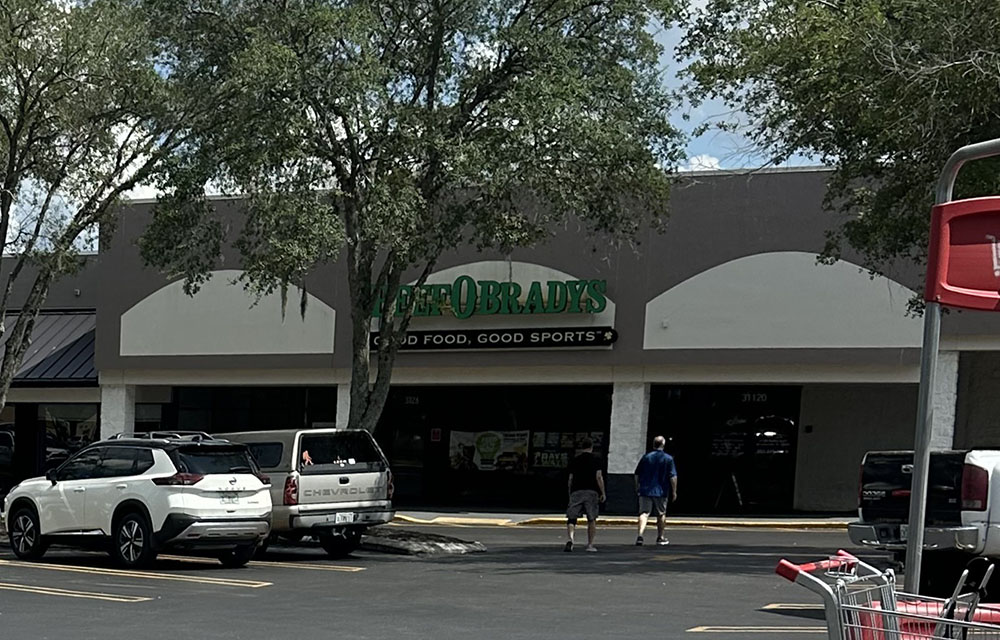
Island Associates negotiates lease extension for 2,160 s/f restaurant operated by Beef O’ Brady Bar and Grill at Lake Harris Square
Leesburg, FL Roger Delisle and Robert Monahan of Island Associates negotiated a lease extension for 2,160 s/f restaurant operated by Beef O’Brady Bar and Grill at Lake Harris Square located at





Columns and Thought Leadership

New York’s streets are full again, and the retail numbers prove it - by Noam Aziz
Walk down any New York block this year and you can feel it. The sidewalks are crowded, the storefronts are lit, and the energy that defines this city is back at full volume.

The death of the generic offering memorandum: What buyers expect in 2025 - by Kimberly Zar Bloorian
There was a time when an offering memorandum (OM) was pretty bare bones, some photos, a few bullet points on income, and a rent roll thrown in at the back. That used to get the job done. Not anymore. In 2025, buyers are sharper, faster, and more selective. They’re looking

Hunt commercial real estate question and answer: Fortune 500 wisdom - by David Hunt
Yes, there are lessons to be learned from the largest companies in America when comes to managing your real estate. But the decision to buy or lease real estate may not be one of
Hunt commercial real estate question and answer: The total cost of relocation - by David Hunt
You have a right to be concerned. I am always surprised at the companies that will negotiate the price of their new facility down to the last dollar, without thoroughly analyzing their
.gif)
September Promotion
