



News:
Brokerage
Posted: June 28, 2022
50,000 s/f of new and expanded leases completed at RFR's 17 State St.
New York, NY RFR has added nearly 50,000 s/f of new and extended/expanded leases at 17 State St., a 42-story, 571,000 s/f office tower in lower Manhattan. Six firms, ranging from a non-profit clean energy firm to financial services and healthcare companies, have committed to office space in the building.
“We are seeing a flight to quality across our entire portfolio with 17 State St. performing extremely well,” said AJ Camhi, director of leasing for RFR. “This building is an architectural gem. The distinctive design allows for stunning uninterrupted water views and boutique open floor plates provide efficient space planning and abundant natural light. The prime location across from Battery Park, one of the most beautiful parks in New York, and proximity to lower Manhattan’s transportation hubs really moves the needle for tenants. It’s no surprise that 17 State Street lands instantly on tenants’ short lists as employees return to in-person work.”
In a nod to the staying power of 17 State St., three tenants recently re-committed to the building:
- ThinkEquity, a boutique investment bank that has financed over $50 billion of public and private capital raises, signed a full-floor, 14,900 s/f lease, growing from a 5,213 s/f prebuilt. Jason Majlessi and Arash Sadighi of Venture Commercial represented the tenant.
- Global regulatory, risk and compliance advisory firm StoneTurn renewed its commitment to a full floor, 13,100 s/f space. Rob Wizenberg of CBRE represented the Tenant.
- Rocky Mountain Institute, a nonprofit organization working to accelerate the use of clean energy signed a new lease for 9,860 s/f, more than doubling in size from its 3,920 s/f prebuilt. Ellen Herman of JLL represented the Tenant.
Nearly 9,500 s/f of new leases were signed including 3,920 s/f for Smash Capital, a private equity firm whose executive team includes the former CEO of TikTok; Michael Okun of Cresa represented the tenant. OANDA Corporation, a major FOREX Trading firm represented by Jack Senske of Colliers, and Confucius Pharmacy, represented by Jack Cohen and Ixchel Mazer of Spaces Commercial, each signed new leases at 17 State St. totaling nearly 5,500 s/f.
Located at the corner of State and Pearl St.'s, 17 State St. is easily accessible from the 1, 4, 5, N and R trains.
Tags:
Brokerage
MORE FROM Brokerage
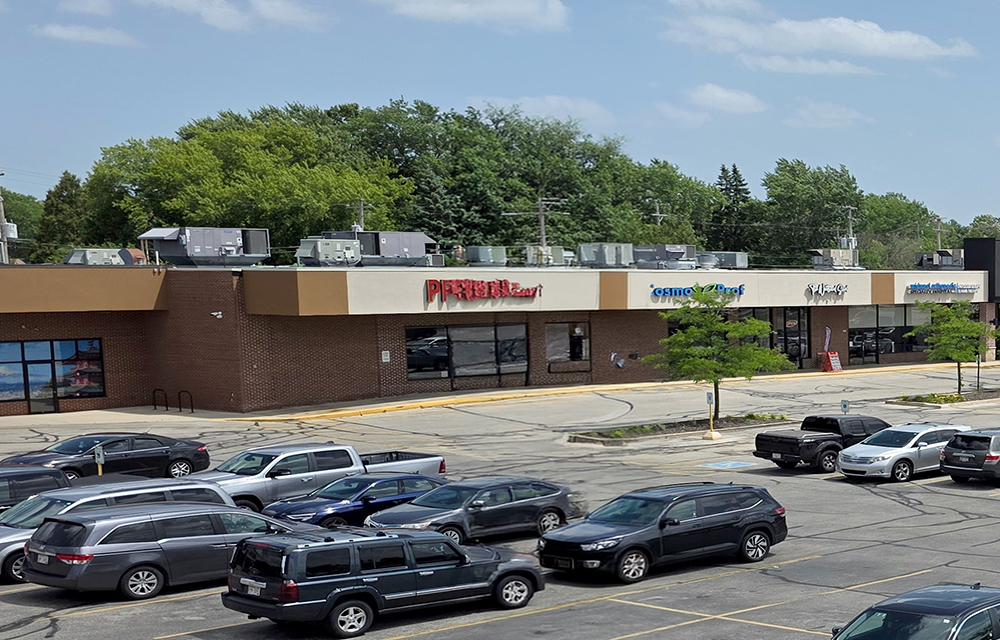
United Properties Corp. expands Wisconsin and Illinois retail presence adding 200,000 s/f
West Allis, WI United Properties Corp. completed two retail acquisitions totaling $27.4 million across Illinois and Wisconsin, adding 205,000 s/f of shopping center space to its portfolio


Quick Hits

Columns and Thought Leadership

Hunt commercial real estate question and answer: Fortune 500 wisdom - by David Hunt
Yes, there are lessons to be learned from the largest companies in America when comes to managing your real estate. But the decision to buy or lease real estate may not be one of

A guide to finding the right NYC property management company - by Sanjay Gandhi
Being a small to midsize landlord in NYC is an increasingly demanding endeavor. From navigating complex regulations, increased compliance demands to dealing with tenant issues and remediating violations. It is wise to enlist the assistance of a partner, a professional

New York’s streets are full again, and the retail numbers prove it - by Noam Aziz
Walk down any New York block this year and you can feel it. The sidewalks are crowded, the storefronts are lit, and the energy that defines this city is back at full volume.

Positive forecast for New York’s pro-housing push? - by Philip Butler
New York’s housing crisis remains a hot button topic despite growing consensus that varied and affordable housing is desperately needed statewide. Governor Hochul has recently introduced several initiatives to overcome N.Y.’s anti-housing
.gif)