



News:
Brokerage
Posted: August 11, 2010
A nice, clean deal
Recently, I was retained to sell a portfolio of four car washes. Being a specialist in commercial and multifamily building sales, I wasn't sure how I would fare in finding such a niche buyer. After a round of marketing it is (surprisingly) apparent how many "traditional" investors are also interested in this asset class.
Analogous to multifamily property owners, car wash owners invest with different strategies in mind. Some buy and hold existing properties for the in-place income. Some build ground up and operate. Others buy run-down washes, put money into the upgrade, and sell off the asset as a value-add play.
A few other interesting facts surfaced:
* Car washes are most frequently sold as a package: the business, the building, and the land. However, on occasion, the components are sold separately.
* Net Operating Income is more a product of the weather (closed on rainy days) than the economy. Sales on sunny weekends are high; sales following snow days are higher.
* Car washes are nearly recession-proof. In a bad economy with high unemployment, people are less prone to buy new cars and more likely to wash and detail their old ones.
* Possibly the hardest part of the equation is getting the license to begin with. In New Jersey, where this particular portfolio is located, new licenses are rarely if ever obtained. The state stopped giving out permits 20 years ago, so all of the operational car washes are grandfathered in.
And like everything in real estate...it's about location, location, location.
Greg Corbin is a director at Besen & Associates, New York, N.Y.
Tags:
Brokerage
MORE FROM Brokerage
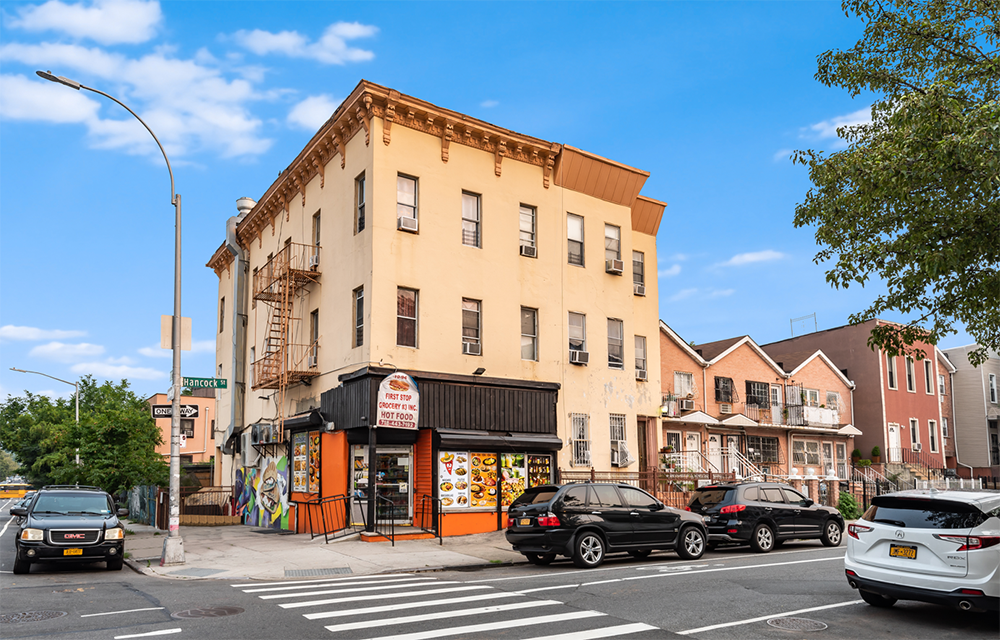
Investment Property Realty Group closes $1.75 million sale of 1094 Hancock Street in Brooklyn
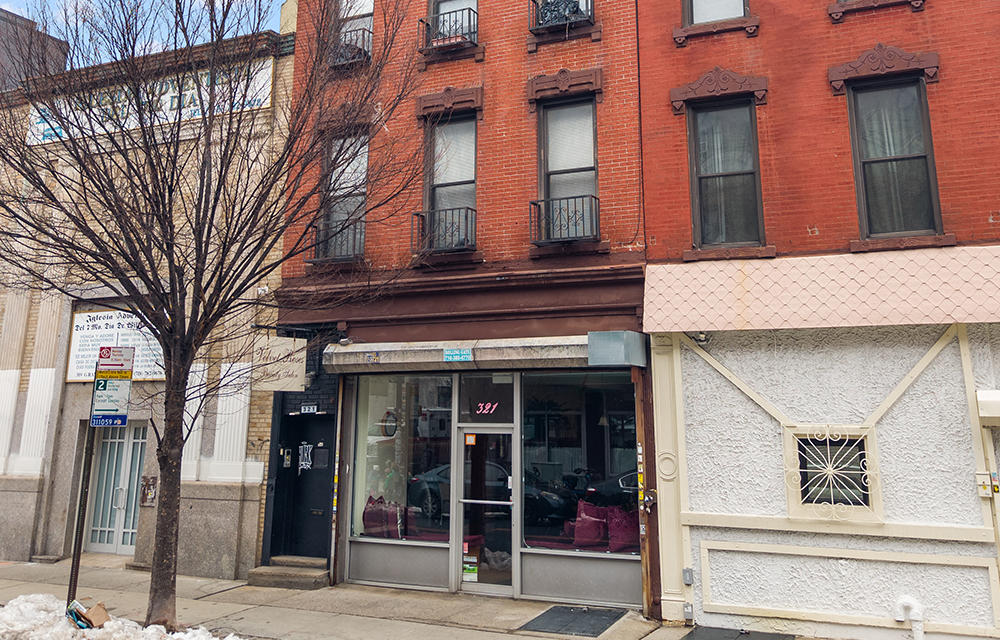
Brooklyn, NY Investment Property Realty Group (IPRG), a New York-based commercial investment firm, has closed the sale of 1094 Hancock St., a mixed-use building in the Bushwick section, for $1.75 million.


Quick Hits

Columns and Thought Leadership

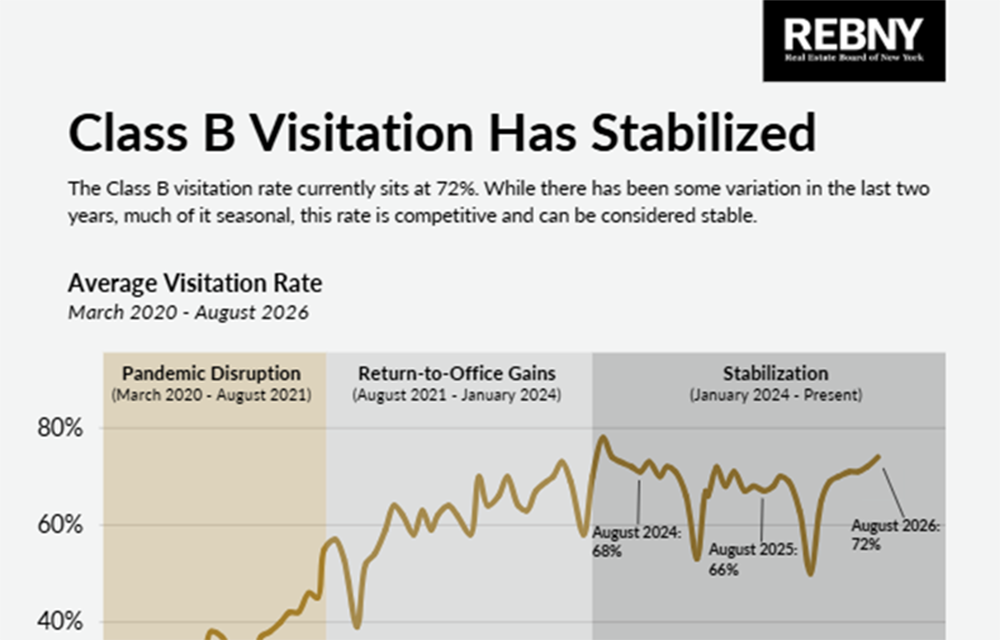
New York’s streets are full again, and the retail numbers prove it - by Noam Aziz
Walk down any New York block this year and you can feel it. The sidewalks are crowded, the storefronts are lit, and the energy that defines this city is back at full volume.

Hunt CRE question and answer: Choosing a real estate agent - by David Hunt
First, we will only work with one agent exclusively. The primary reason is that we want that agent to legally represent our client’s interests. In New York State, a real estate agent has a fiduciary

A guide to finding the right NYC property management company - by Sanjay Gandhi
Being a small to midsize landlord in NYC is an increasingly demanding endeavor. From navigating complex regulations, increased compliance demands to dealing with tenant issues and remediating violations. It is wise to enlist the assistance of a partner, a professional

Hunt commercial real estate question and answer: Fortune 500 wisdom - by David Hunt
Yes, there are lessons to be learned from the largest companies in America when comes to managing your real estate. But the decision to buy or lease real estate may not be one of
.gif)