



News:
Spotlight Content
Posted: December 31, 2024
2024 Year in Review: Richard Rejmentowski, The Falcon Group

Project Manager
The Falcon Group
What noteworthy transactions or deals from this year best exemplified key market trends or shifts?
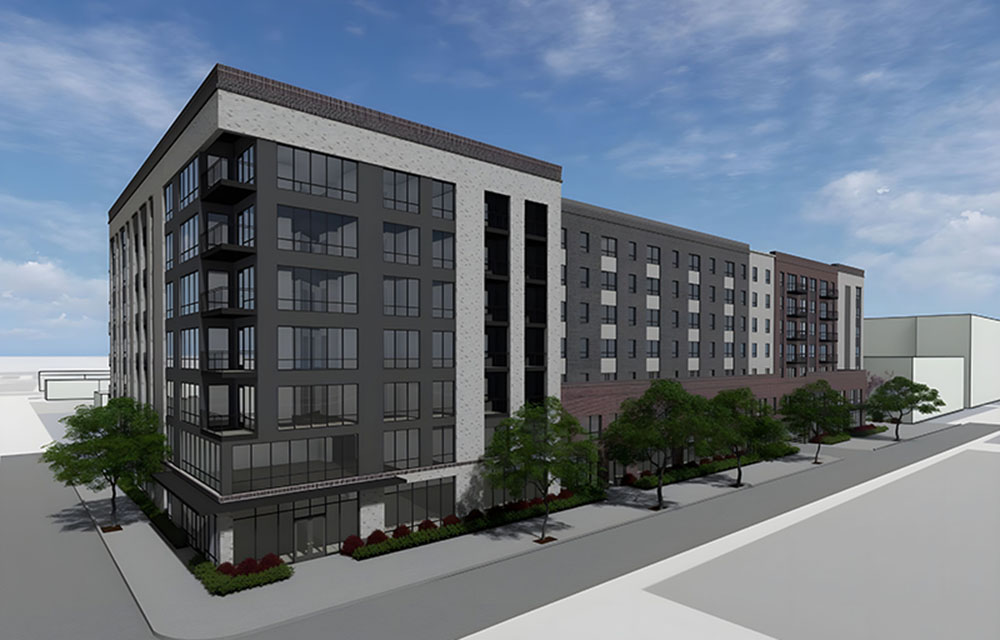
At 1298 Inwood Ave.; what was previously a struggling two-level garage and auto-body shop on a 20,000 s/f lot, has been demolished in preparation to build a new 15-story multipurpose residential building, including 195 apartments.
Situated right along the four-train elevated railroad, this area has a lot of potential to blossom into a convenient residential hub. Many neighboring buildings are garages, or auto body shops. In the future, they may share the same fate.
What emerging trends will drive investment and development in 2025?
At more than a few locations around the five boroughs, I have noticed industrial buildings/parking garages demolished and repurposed into residential buildings. Most of these buildings have lost their purpose, and the cost to maintain them grows higher by the year. These buildings are short and generally do not have interior fit outs, easing the demolition process. Also, these buildings generally have a large footprint making them ideal for large residential buildings with a lot of square footage. These new residential buildings will go a long way towards combating high rent cost and low availability of housing throughout the city.
Tags:
Spotlight Content
MORE FROM Spotlight Content

NYREJ's 2026 Developing Long Island Spotlight is here!
This spotlight showcases projects completed and currently under construction across Long Island as well as highlights improvements made to the region through Industrial and Economic Development Agencies and BIDs.


.png)

Quick Hits
 (2).gif)

Columns and Thought Leadership

2026 Developing Queens: Long Island Board of Realtors advances commercial growth and advocacy in Queens
The Long Island Board of Realtors (LIBOR) Commercial Network continues to play a key role in advancing opportunities and strengthening the commercial real estate landscape across Queens. Through targeted programming and global outreach

Properly serving a lien law Section 59 Demand - by Bret McCabe
Many attorneys operating within the construction space are familiar with the provisions of New York Lien Law, which allow for the discharge of a Mechanic’s Lien in the event the lienor does not commence an action to enforce following the service of a “Section 59 Demand”.

CRE Guide Featured Company: Merritt Environmental Consulting Corp.
Merritt Environmental Consulting Corp. (MECC) was established in June of 2009 after being part of a larger engineering firm for almost 20 years. The focus of the company is to assist lending institutions, attorneys, real estate investors, and property owners with environmental concerns. Today, MECC has offices in New York, Florida, and Vermont and has grown into a regional consulting firm serving clients along the East Coast.

From vacancy to vitality: How adaptive reuse is reshaping Long Island’s CRE landscape - by Andrea Tsoukalas Curto
Adaptive reuse has become one of the most important conversations in commercial real estate today. Long Island has a large inventory of aging retail, office and industrial