



News:
Brokerage
Posted: March 14, 2023
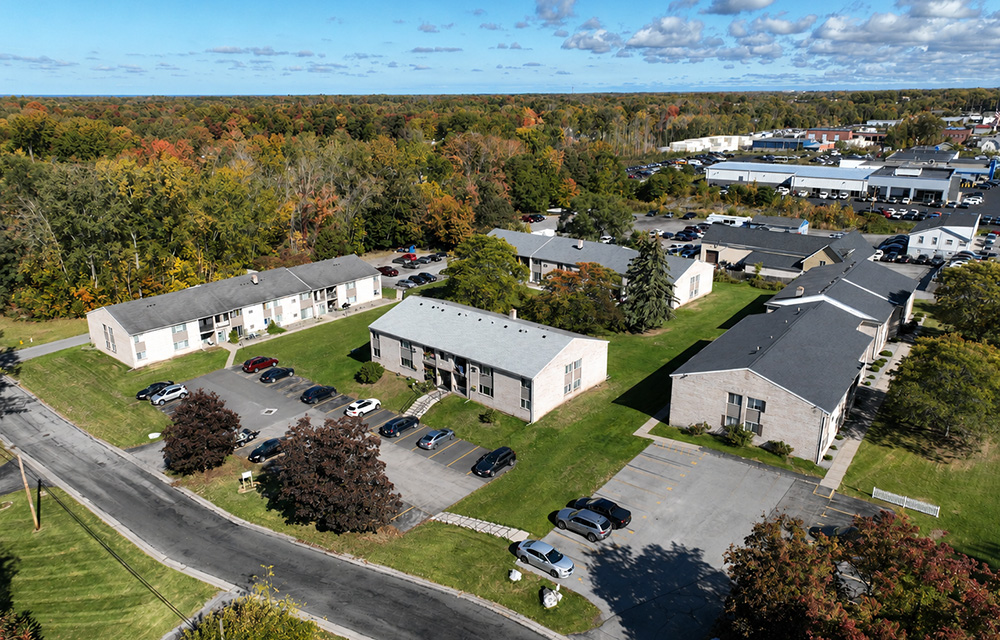
2023 upstate New York apartment market - by Brian Heine

In the largest upset of the multifamily industry since the financial crisis of 2008 the Federal Reserve has raised the fed funds rate over 400 basis points in 10 months to 4.5%, the highest level in 15 years. According to chairman Powell the goal is to create enough unemployment to reduce inflation down from 6% to 8% annually back to the 2% range and at the same time reduce asset price appreciation including real estate. The immediate effects will be felt in the interest rate sensitive portions of the economy, including new buyers of single-family homes. So far in 2023 prices and capitalization rates for investment quality apartment complexes are yet to be affected, sellers of high-end investment properties don’t forego several million dollars in profit over what may be a very short-term fluctuation in interest rates, rapid increases can be followed by rapid declines. These interest rate increases have been characterized as temporary but some level of higher rates seems permanent.
The 10-year treasury note traded above 4% for a short time and buyers of multifamily investment properties were seeing mortgage interest rate quotes near 7%. The spread between the 10-year rate and mortgage interest rates varies, typically between 1.5% to 2.0%, but has moved up to 3% recently adding to the increase. The Federal Reserve only targets short term overnight rates between banks, long term mortgage rates reflect the supply and demand of credit between borrowers and lenders, and the market has pushed the long end down. Investment real estate closings decreased through the end of 2022 in response to the higher rates and consequently the 10-year has since traded down to 3.5% before rising again. Note that this was the level of the 10-year for most of the last decade. Higher rates on fixed rate investments, such as bank certificates of deposit, also attract smaller owners of apartment complexes to the sale market as replacement investments for their actively managed apartment properties sold for retirement, bringing additional properties to market in an environment that lacks sale inventory.
To make the numbers work, buyers now constrained by the cost of servicing new debt at these higher rates, deals will require more equity (lower loan to value) and/or the assumption of an existing fixed rate mortgage, those originated over the past five years when rates were lower. The debt-service coverage ratio (DSC) which measures the ability of the net operating income (NOI) to service the debt now controls, the loan to value percentage is less meaningful. Loan assumptions lead to lower leverage and lower short term returns but will work fine for long term investors. Also, as these existing five-year or older mortgages, typical bank commercial mortgage terms, start to mature and renew at current rates we’ll get a better read on where bank underwriters stand with cap rates. Apartment investment is the most inflation resistant of all the real estate classes, short annual apartment leases allow immediate adjustment to current market conditions and rents have increased substantially the last two years. This increase in the NOI blunts the effect of higher interest rates on prices as a higher cap rate supports the same price with a higher NOI. Those frozen out of the single-family housing market have to rent apartments instead. Growth in NOI is the main attraction to multifamily investment, there are always buyers looking for apartments. Investors with rents at market should have no trouble underwriting maturing debt at current interest rates. Expect some upward pressure on cap rates this year until interest rates stabilize, there is no direct relationship between interest rates and cap rates, and the spread between the 10-year and long-term mortgage rates returns to its normal level.
Brian Heine is licensed real estate broker in New York state.
Tags:
Brokerage
MORE FROM Brokerage
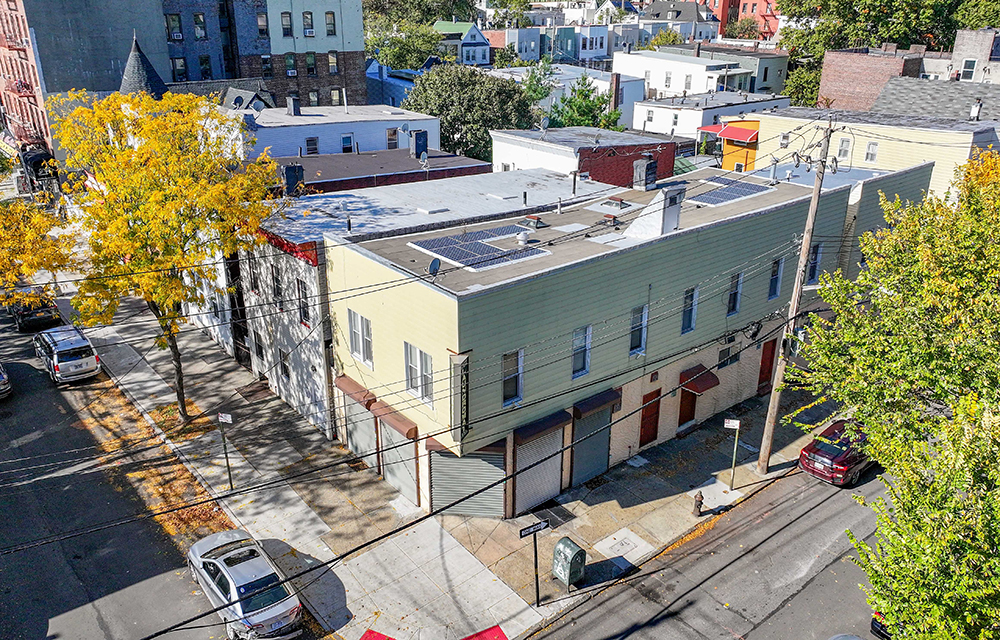
Investment Property Realty Group’s Team Friedman closes five Bronx sales totaling $5.3 million
Bronx, NY Investment Property Realty Group’s (IPRG) Team Friedman closed five sales totaling $5.3 million in the month of September. • 1707 Melville St. sold for $1.35 million. Located in Van Nest, the property



 (2).gif)

Columns and Thought Leadership

New York’s streets are full again, and the retail numbers prove it - by Noam Aziz
Walk down any New York block this year and you can feel it. The sidewalks are crowded, the storefronts are lit, and the energy that defines this city is back at full volume.

Hunt commercial real estate question and answer: Fortune 500 wisdom - by David Hunt
Yes, there are lessons to be learned from the largest companies in America when comes to managing your real estate. But the decision to buy or lease real estate may not be one of

Positive forecast for New York’s pro-housing push? - by Philip Butler
New York’s housing crisis remains a hot button topic despite growing consensus that varied and affordable housing is desperately needed statewide. Governor Hochul has recently introduced several initiatives to overcome N.Y.’s anti-housing

A guide to finding the right NYC property management company - by Sanjay Gandhi
Being a small to midsize landlord in NYC is an increasingly demanding endeavor. From navigating complex regulations, increased compliance demands to dealing with tenant issues and remediating violations. It is wise to enlist the assistance of a partner, a professional
.gif)
September Promotion
