



News:
Brokerage
Posted: January 31, 2023
2023 NY Self Storage Association Investment Forum recap
.JPG)
Manhattan, NY The NY Self Storage Association (NYSSA) held its annual “Investment Forum” event in New York City, attracting the top self-storage companies’ real estate representatives who virtually all agreed that the industry would see a continuation of moderately rising cap rates for 2023 and into 2024 before they level off. Two hundred fifty attendees were gathered at the 583 Park Ave. venue to network and learn from each other in this first-of-the-year self-storage conference.
This one-day capital markets and real estate event featured an institutional panel of investors led by Tom Sherlock of Talonvest Capital and then a finance panel of top mortgage brokers in the industry discussed meeting the challenges of rapidly rising rates and how it affects values for refinancing and development transactions.
Nicole Funari, vice president of research at NAREIT from Washington, D. C., made her presentation on the forces affecting the economy this past year & what to expect in the near term without making any predictions.
Nick Malagisi, SIOR, then moderated a panel of metro NYC-based national appraisers that work the self-storage industry and discussed the challenges they are facing in arriving at values given the rising interest rates and cap rates of late, especially after a 10-year period of compressed cap rates, the lowest cap rates of any property sector, other than apartments.
The day ended with a panel of the top real estate representatives for each of the five publicly traded REITS in the industry discussing their acquisitions’ highlights for 2022 and what to expect for 2023. This discussion included the use of preferred developers and co-investing in joint ventures to keep their acquisitions pipeline active since most of the REITs are not developers of new facilities. Given the current disconnect between sellers’ asking prices and buyers’ offers, there is probably going to be a decline in transactions for the first half of 2023 before reality sets into the market.
The Investment Forum sponsored by NYSSA is the first major self-storage conference of the year and really sets the tone of what these industry professionals expect in capital markets, finance, and acquisitions activity for the coming year. Speakers, panel members, and attendees came from across the U.S. to be with their peers.
Tags:
Brokerage
MORE FROM Brokerage
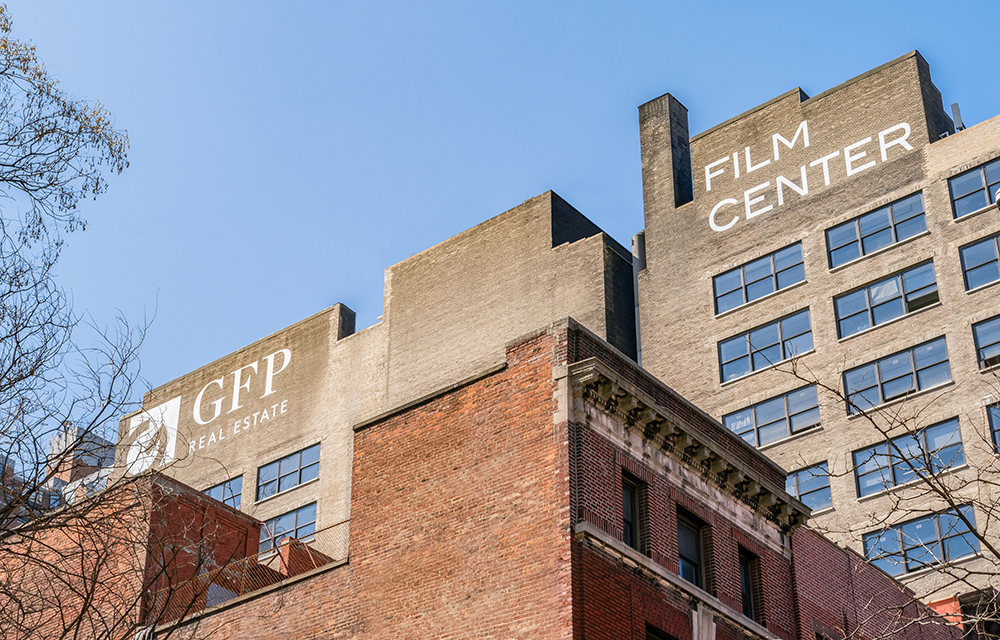
GFP Real Estate signs 11,078 s/f of leasing activity at 630 Ninth Ave.
Manhattan, NY GFP Real Estate closed three office leasing transactions totaling 11,078 s/f at 630 Ninth Ave. in Midtown, including a new lease with Irish Arts Center and extensions by existing



Quick Hits

Columns and Thought Leadership

Positive forecast for New York’s pro-housing push? - by Philip Butler
New York’s housing crisis remains a hot button topic despite growing consensus that varied and affordable housing is desperately needed statewide. Governor Hochul has recently introduced several initiatives to overcome N.Y.’s anti-housing

Hunt commercial real estate question and answer: Fortune 500 wisdom - by David Hunt
Yes, there are lessons to be learned from the largest companies in America when comes to managing your real estate. But the decision to buy or lease real estate may not be one of

A guide to finding the right NYC property management company - by Sanjay Gandhi
Being a small to midsize landlord in NYC is an increasingly demanding endeavor. From navigating complex regulations, increased compliance demands to dealing with tenant issues and remediating violations. It is wise to enlist the assistance of a partner, a professional

New York’s streets are full again, and the retail numbers prove it - by Noam Aziz
Walk down any New York block this year and you can feel it. The sidewalks are crowded, the storefronts are lit, and the energy that defines this city is back at full volume.
.gif)
September Promotion
