



News:
Brokerage
Posted: June 14, 2022
2022 Buffalo apartment market - by Brian Heine

When the New York State eviction ban ended in early 2022, class B and C apartment vacancy virtually disappeared from the Buffalo rental market. Asking rents for vacant apartments in some cases are up 10%-15% year over year. This is the unintended consequences of the residential eviction ban enacted in March 2020 designed to protect existing tenants from removal for any reason during the pandemic that expired in January of this year with some exceptions. Those who applied for the NYS Emergency Rental Assistance Program cannot be evicted until their case is heard in court even though funding for the program is not currently available.
The market impact was similar to the effects of rent control laws where protecting people in their apartments reduces the supply of open apartments and drives rents higher for new tenants. This attempt to restrict private property rights and repeal the laws of supply and demand didn’t work and only pitted one group against another. The rental market is recovering as natural turnover returns and the long-forecasted eviction wave after the ban was lifted hasn’t materialized.
Suburban garden apartments are the preferred class for investment; investors are looking for any property where improvements can be made, the rents raised, and the value increased. The return for the investor includes the annual cash flow, plus the additional proceeds received when the property is sold or refinanced due to the capitalized value of the higher income from apartment renovations and other property improvements. The annualized total return, referred to as the internal rate of return, can exceed 15%.
The Green Organization in Amherst paid $4.575 million at a 6.0% cap rate for the 45-unit Williamsville Court Apartments; in 2020 they paid $13.5 million at a 6.4% cap rate for the 156-unit Drexel Hill Apartments, also in Amherst. Even at this pricing the Buffalo News reports they will spend an additional $800,000 on improvements at Williamsville Court and that the Drexel Hill property is worth 59% more and the rents increased 49% one year after renovations. The Greens also build new apartments but there is demand for these older, well-built and well-located suburban complexes available at prices far below what it would cost to build them. Rents can go higher and still be competitive as their portfolio occupancy is reported at 96%.
The institutional investor market for student housing consists of only the largest 150 campuses in the country out of the near 8,000 total colleges and universities, so called “Tier 1 markets.” These big, mostly public, universities have student populations of 10,000 or more and meet the underwriting requirements of the Fannie Mae dedicated student housing lending facility. These large non-recourse mortgages are necessary to protect the personal assets of investors in the management companies that develop and buy these properties. Campuses where these loans and other similar student housing financing from commercial lenders such as pension funds and insurance companies can be underwritten defines the institutional student housing market. The State University of New York at Buffalo, one of four university centers in the SUNY system, with a student population of 32,000 has attracted this national investor interest. Student Housing Business magazine reports that 1,230 new beds (the student housing multifamily class counts beds in lieu of apartments) were under construction in 2021 making it one of the top university markets for new construction. Student housing occupancies and collection rates were the highest among the multifamily asset classes during the pandemic.
DMG Investments will build the 481-bed Auden Buffalo in Ciminelli’s Muir Woods development near the north campus, the land was purchased for $8.5 million and ACRES Capital has arranged a $32.5 million construction loan. Landmark Properties sold the 749-bed Station at Buffalo, also near the north campus, in a $104.1 million joint venture with Blackstone Real Estate Trust to acquire student housing properties in Tier 1 markets. Multifamily sales in the Buffalo apartment market totaled $225 million in 2021.
Brian Heine is Licensed Real Estate Broker in New York State, Buffalo, N.Y.
Tags:
Brokerage
MORE FROM Brokerage
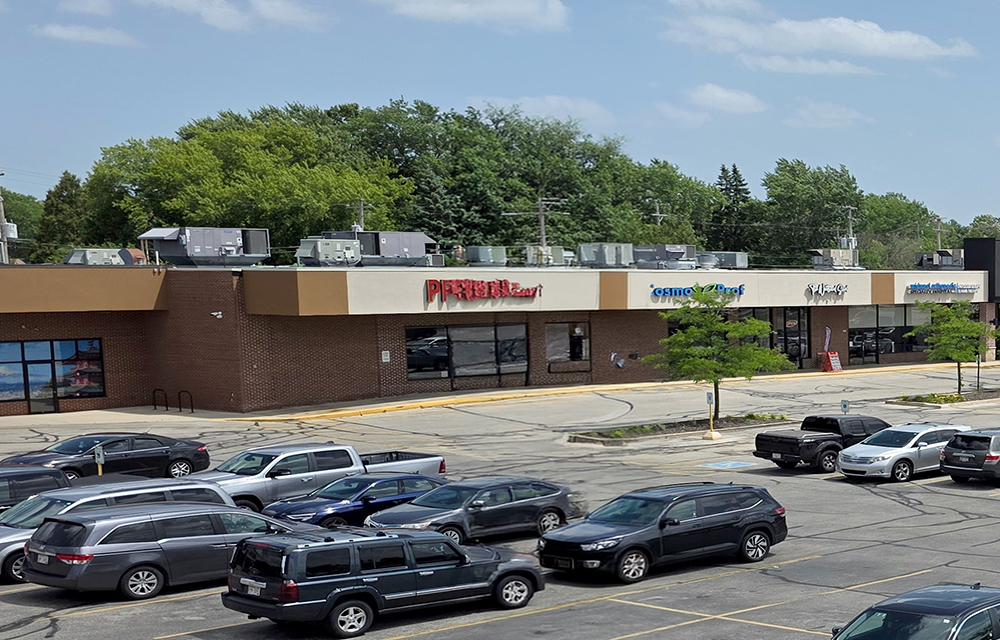
United Properties Corp. expands Wisconsin and Illinois retail presence adding 200,000 s/f
West Allis, WI United Properties Corp. completed two retail acquisitions totaling $27.4 million across Illinois and Wisconsin, adding 205,000 s/f of shopping center space to its portfolio


Quick Hits
 (2).gif)

Columns and Thought Leadership

Hunt commercial real estate question and answer: Fortune 500 wisdom - by David Hunt
Yes, there are lessons to be learned from the largest companies in America when comes to managing your real estate. But the decision to buy or lease real estate may not be one of

A guide to finding the right NYC property management company - by Sanjay Gandhi
Being a small to midsize landlord in NYC is an increasingly demanding endeavor. From navigating complex regulations, increased compliance demands to dealing with tenant issues and remediating violations. It is wise to enlist the assistance of a partner, a professional

Positive forecast for New York’s pro-housing push? - by Philip Butler
New York’s housing crisis remains a hot button topic despite growing consensus that varied and affordable housing is desperately needed statewide. Governor Hochul has recently introduced several initiatives to overcome N.Y.’s anti-housing

New York’s streets are full again, and the retail numbers prove it - by Noam Aziz
Walk down any New York block this year and you can feel it. The sidewalks are crowded, the storefronts are lit, and the energy that defines this city is back at full volume.
.gif)