


 (2).gif)
News:
Spotlight Content
Posted: November 5, 2019
2019 Ones to Watch: Ari Tran, Pryor Cashman LLP
Name: Ari Tran, Esq.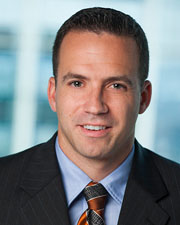
Title: Attorney
Company Name: Pryor Cashman LLP
Address: 7 Times Square, New York, New York 10036
Real estate organizations: New York State Bar Real Property Law Section; New York State Bar Young Lawyers Section; Westchester County Bar Association
What do you consider to be your greatest success in the past 12 months?
I’ve closed several transactions in the past 12 months that posed unique and challenging issues, but the deal that stands out the most was an acquisition of a development site that was purchased in the midst of ongoing construction. The deal had many moving pieces and required careful negotiation with a host of parties, including the seller, adjacent owners, the existing construction lender, the new construction lender, joint venture partners, the construction manager and contractors. Notwithstanding the complexities involved, the entire transaction was negotiated and closed in just under two months, and the project is now well on its way to successful completion, thanks to the collaborative effort of all parties involved.
Who or what do you attribute to your success?
I have been fortunate to learn under some of the best real estate attorneys that the city has to offer here at Pryor Cashman, some of whom have been practicing for decades and have “seen it all.” Each of these mentors has their own unique style, and I have been able to adopt something from each of them, which has helped me to develop my own approach to every deal. The end result has made me a much better advocate for my clients and hopefully a little bit wiser than my years.
What was your favorite thing to do when you were a kid?
Play outside – basketball, football, hockey, anything. I like to think that I have carried some of that competitive energy into adulthood and into my professional career.
?What advice can you offer to someone who is just getting started in your industry?
New York real estate is a fast-paced industry that could be chaotic and a bit overwhelming for someone just entering the business. My advice would be to focus on what is in your control – be prepared, always double-check your work and make sure to do the small things the right way. As you gain more experience, things will slow down and you will be able to assume greater command and more responsibility. Also, pay attention to aspects of a transaction that are beyond the scope of your delineated duties. This will allow you to develop a broader understanding of each party’s interests and will help you down the line to anticipate issues and avoid potential pitfalls.
Tags:
Spotlight Content
MORE FROM Spotlight Content

NYREJ's 2026 Developing Long Island Spotlight is here!
This spotlight showcases projects completed and currently under construction across Long Island as well as highlights improvements made to the region through Industrial and Economic Development Agencies and BIDs.



.png)

 (2).gif)

Columns and Thought Leadership

From vacancy to vitality: How adaptive reuse is reshaping Long Island’s CRE landscape - by Andrea Tsoukalas Curto
Adaptive reuse has become one of the most important conversations in commercial real estate today. Long Island has a large inventory of aging retail, office and industrial

Properly serving a lien law Section 59 Demand - by Bret McCabe
Many attorneys operating within the construction space are familiar with the provisions of New York Lien Law, which allow for the discharge of a Mechanic’s Lien in the event the lienor does not commence an action to enforce following the service of a “Section 59 Demand”.

2026 Developing Queens: Long Island Board of Realtors advances commercial growth and advocacy in Queens
The Long Island Board of Realtors (LIBOR) Commercial Network continues to play a key role in advancing opportunities and strengthening the commercial real estate landscape across Queens. Through targeted programming and global outreach

CRE Guide Featured Company: Merritt Environmental Consulting Corp.
Merritt Environmental Consulting Corp. (MECC) was established in June of 2009 after being part of a larger engineering firm for almost 20 years. The focus of the company is to assist lending institutions, attorneys, real estate investors, and property owners with environmental concerns. Today, MECC has offices in New York, Florida, and Vermont and has grown into a regional consulting firm serving clients along the East Coast.
September Promotion
