



News:
Spotlight Content
Posted: December 20, 2016
2016 Year in Review: David West, Goldstein Hill & West Architects
 David West, Goldstein Hill & West Architects
Name & Title: David West, Partner
Company Name: Goldstein Hill & West Architects
What project, transaction, market trend or product had the greatest impact on your industry this year?
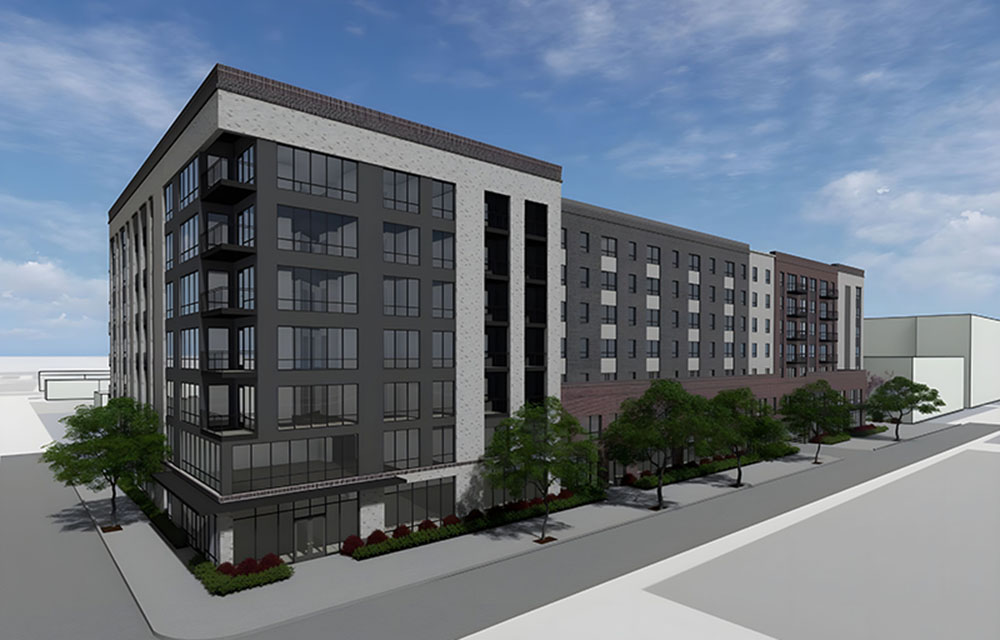
The loss of the 421a tax abatement at the end of 2015 caused a surge in the volume of residential rental projects in design and construction that will continue until 2019. Meanwhile, the failure to reenact 421a has slowed down the pipeline of projects that failed to meet the deadline. The need for designers of high-end interiors, refined residential layouts, luxurious amenities and the know how to make it all both efficient and beautiful, have made our business thrive in a more restricted residential building climate.
How will you be supercharging your productivity in 2017?
Software and platforms that allow real time feedback and multiple users improve both internal design team methodology and designer/consultant/client communication.
REVIT is a drawing and modeling platform that allows our design team to simultaneously work on a digital model in real time along with our consultants around the nation. Bluebeam allows us to mark-up documents and RFI’s simultaneously with our consultants. Google docs allow multiple users to simultaneously edit word files. We continue to explore methods of video and digital conferencing that allow our teams to discuss visual data in group settings even while physically spread across multiple offices.
What emerging trends will drive investment and development in 2017?
Rental housing will continue to appear in farther flung areas of the Outer Boroughs including Bronx, Queens and Staten Island, particularly once 421a get re-enacted. The buildings will be amenity-rich with small units catering to working people, commuters, local professionals, millennials and empty-nesters.
Tags:
Spotlight Content
MORE FROM Spotlight Content

NYREJ's 2026 Developing Long Island Spotlight is here!
This spotlight showcases projects completed and currently under construction across Long Island as well as highlights improvements made to the region through Industrial and Economic Development Agencies and BIDs.


.png)

Quick Hits
 (2).gif)

Columns and Thought Leadership

2026 Developing Queens: Long Island Board of Realtors advances commercial growth and advocacy in Queens
The Long Island Board of Realtors (LIBOR) Commercial Network continues to play a key role in advancing opportunities and strengthening the commercial real estate landscape across Queens. Through targeted programming and global outreach

Properly serving a lien law Section 59 Demand - by Bret McCabe
Many attorneys operating within the construction space are familiar with the provisions of New York Lien Law, which allow for the discharge of a Mechanic’s Lien in the event the lienor does not commence an action to enforce following the service of a “Section 59 Demand”.

CRE Guide Featured Company: Merritt Environmental Consulting Corp.
Merritt Environmental Consulting Corp. (MECC) was established in June of 2009 after being part of a larger engineering firm for almost 20 years. The focus of the company is to assist lending institutions, attorneys, real estate investors, and property owners with environmental concerns. Today, MECC has offices in New York, Florida, and Vermont and has grown into a regional consulting firm serving clients along the East Coast.

From vacancy to vitality: How adaptive reuse is reshaping Long Island’s CRE landscape - by Andrea Tsoukalas Curto
Adaptive reuse has become one of the most important conversations in commercial real estate today. Long Island has a large inventory of aging retail, office and industrial