



News:
Brokerage
Posted: November 10, 2014
10 ways to make a building more attractive to an insurance company
Obtaining insurance is a must for any property owner, but you need to make sure that the subject property is as attractive as possible to the insurance company in order to receive the most competitive rates. Taking a few affordable and simple steps prior to an inspection by your insurance company can ensure the safety of your property and potentially lower your rates.
As part of the process of evaluating your building for a new policy or renewal, the insurance company will typically send a representative to evaluate your building in person. The impression the insurance company representative has of your building can have a significant impact on your insurance rates. By following the steps listed below, you can make your building more attractive and lower your insurance rates.
1. Hard-Wired
Smoke Detectors
Hard-wired smoke detectors should always be used in conjunction with battery backups. By wiring the smoke detectors directly into your building, you can prevent tenants from disabling the smoke detectors.
2. Install UL-Approved
Carbon Monoxide Detectors
Since carbon monoxide is tasteless, odorless, and colorless, it is important to ensure that carbon monoxide detectors are installed. In order to comply with most municipal laws, your carbon monoxide detectors should be certified by Underwriters Laboratories.
3. Code-Compliant Elevators
Is your building up to date on elevator inspections? If not, this could result in higher real estate insurance rates. Regular elevator inspections are important to ensure code compliance as well as safety.
4. Proper Panic Hardware
Installed on Fire Doors
All fire doors for your building should be closed and equipped with appropriate panic hardware. With this type of hardware installed, occupants will be able to leave the building in the event of an emergency by simply pushing a bar.
5. Well-Lit Walkways
and Hallways
When hallways and walkways are not well lit, they can easily become hazards. If someone should trip because he or she is not able to see, you could be held liable. Your insurance company will be well aware of this and may increase your rates if those areas are too dark to navigate safely.
6. Check the Sidewalks,
Entrances, and Parking Lots
for Cracks
Major cracks could be viewed as a tripping hazard, particularly for high-heeled shoes. Take the time to check your sidewalks, parking lots, and entryways for cracks. Be sure to repair any cracks you find prior to the visit from your insurance company.
7. Install Child-Safe
Window Hardware
Window safety guards should be installed on any windows in areas where children reside. This is important to ensure that a child is not injured due to a fall from an unguarded window.
8. Post Emergency Exit
Diagrams and Mark All Exits
Prior to the visit from your insurance company, ensure that emergency exit diagrams are posted and displayed in all public buildings. All exits should be marked with the use of self-illuminated signs above doorways and passages that lead to the exterior of the building. There should be no obstructions that could interfere with emergency exits.
9. Check Portable
Fire Extinguishers
All portable fire extinguishers should be serviced within the last year and should display proof of servicing. Such inspections will help to ensure that fire extinguishers are in good working order in the event that they need to be used to fight a fire.
10. Inspect the Building's
Sprinkler System
If your building has a sprinkler system for fires, ensure that the system has been inspected at least once in the past two years.
Real estate insurance can be a significant expense for property owners. Evergreen Insurance & Risk Management offers a variety of insurance products ranging from multifamily rentals and commercial real estate to co-ops and vacant building insurance. Contact one of our representatives today to learn more about how you can cut your insurance premiums.
Izzy Green is president and CEO of Evergreen Insurance & Risk Management, Monsey, N.Y.
Tags:
Brokerage
MORE FROM Brokerage
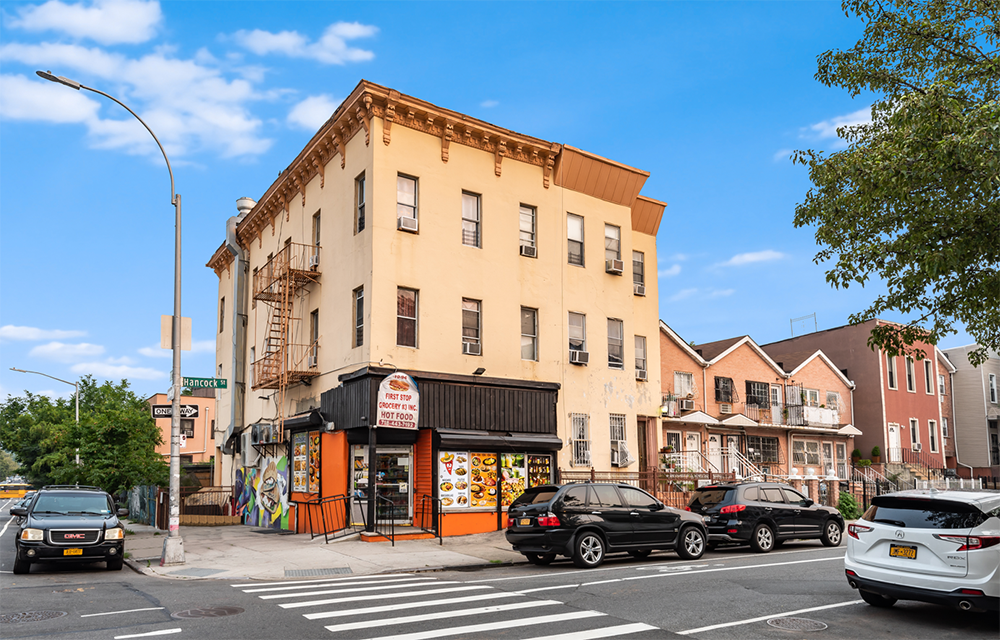
Investment Property Realty Group closes $1.75 million sale of 1094 Hancock Street in Brooklyn
Brooklyn, NY Investment Property Realty Group (IPRG), a New York-based commercial investment firm, has closed the sale of 1094 Hancock St., a mixed-use building in the Bushwick section, for $1.75 million.


Quick Hits
 (2).gif)

Columns and Thought Leadership

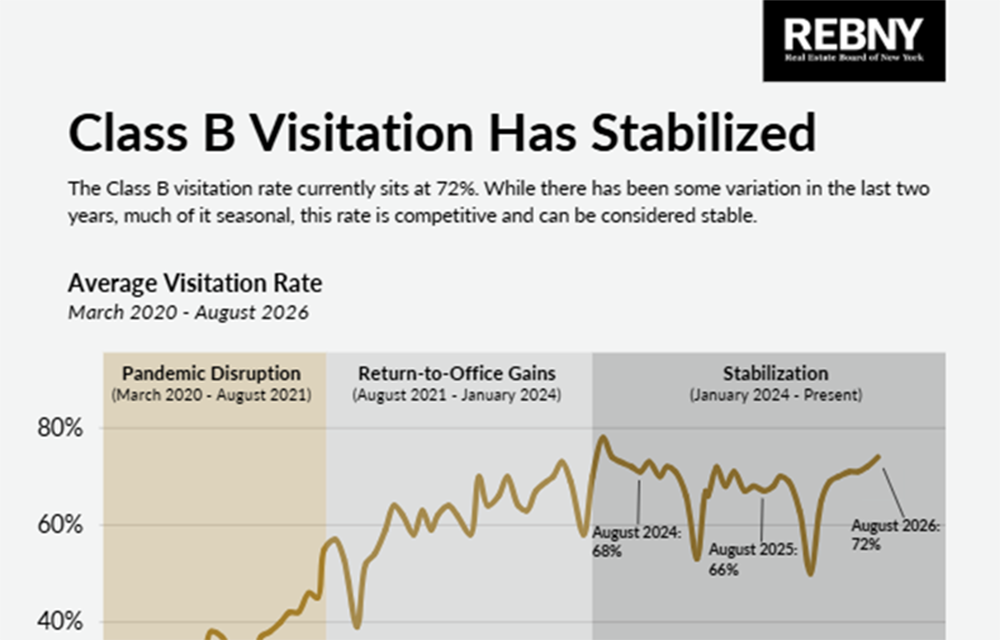
New York’s streets are full again, and the retail numbers prove it - by Noam Aziz
Walk down any New York block this year and you can feel it. The sidewalks are crowded, the storefronts are lit, and the energy that defines this city is back at full volume.

Hunt commercial real estate question and answer: Fortune 500 wisdom - by David Hunt
Yes, there are lessons to be learned from the largest companies in America when comes to managing your real estate. But the decision to buy or lease real estate may not be one of

A guide to finding the right NYC property management company - by Sanjay Gandhi
Being a small to midsize landlord in NYC is an increasingly demanding endeavor. From navigating complex regulations, increased compliance demands to dealing with tenant issues and remediating violations. It is wise to enlist the assistance of a partner, a professional

Hunt CRE question and answer: Choosing a real estate agent - by David Hunt
First, we will only work with one agent exclusively. The primary reason is that we want that agent to legally represent our client’s interests. In New York State, a real estate agent has a fiduciary
.gif)