



News:
Brokerage
Posted: February 24, 2014
03-12-2014 - LIREG to hold Networking Breakfast
LIREG will hold a Networking Breakfast on March 12 from 8 to 10 a.m.
Mark Lesko, executive director of Accelerate Long Island, will speak about the efforts of Accelerate Long Island and how its mission relates to the economic future of Long Island.
The event will be held at the Old Westbury Golf and Country Club, 240 Wheatley Rd.
COST: Free to LIREG members. $60, others.
RSVP/INFO: RoseAnn Simeone, (631) 721-7400 or lireg.org/index.php?page=rsvp&eid=50
Tags:
Brokerage
MORE FROM Brokerage
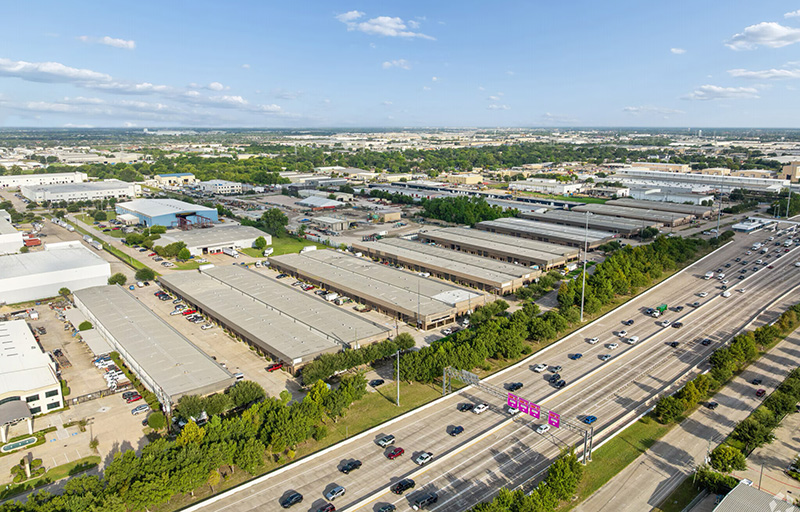
Simi Capital enters Texas with acquisition of 359,000 s/f small-bay industrial portfolio in Northwest Houston
Houston, TX Simi Capital acquired a three-property, 359,000 s/f small-bay industrial portfolio. The transaction, completed in a joint venture with Decker Capital, marks Simi




Columns and Thought Leadership

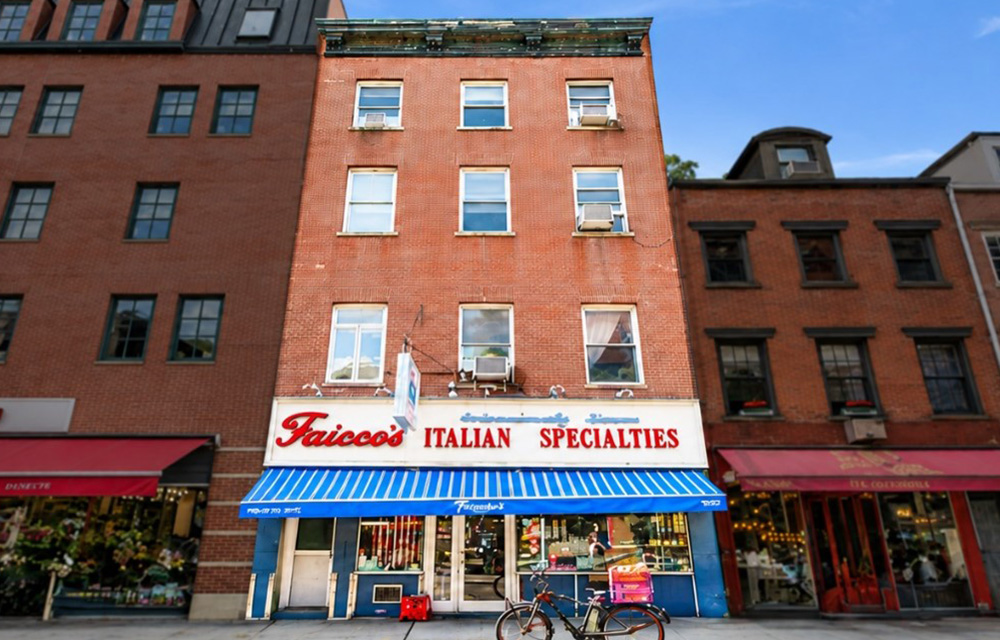
A guide to finding the right NYC property management company - by Sanjay Gandhi
Being a small to midsize landlord in NYC is an increasingly demanding endeavor. From navigating complex regulations, increased compliance demands to dealing with tenant issues and remediating violations. It is wise to enlist the assistance of a partner, a professional

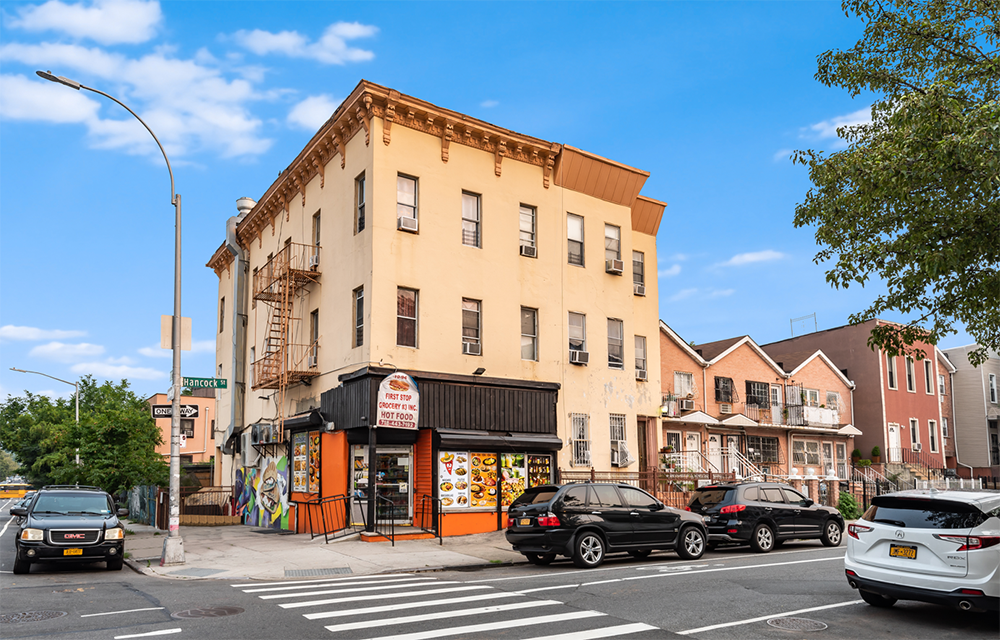
New York’s streets are full again, and the retail numbers prove it - by Noam Aziz
Walk down any New York block this year and you can feel it. The sidewalks are crowded, the storefronts are lit, and the energy that defines this city is back at full volume.

Hunt CRE question and answer: Choosing a real estate agent - by David Hunt
First, we will only work with one agent exclusively. The primary reason is that we want that agent to legally represent our client’s interests. In New York State, a real estate agent has a fiduciary

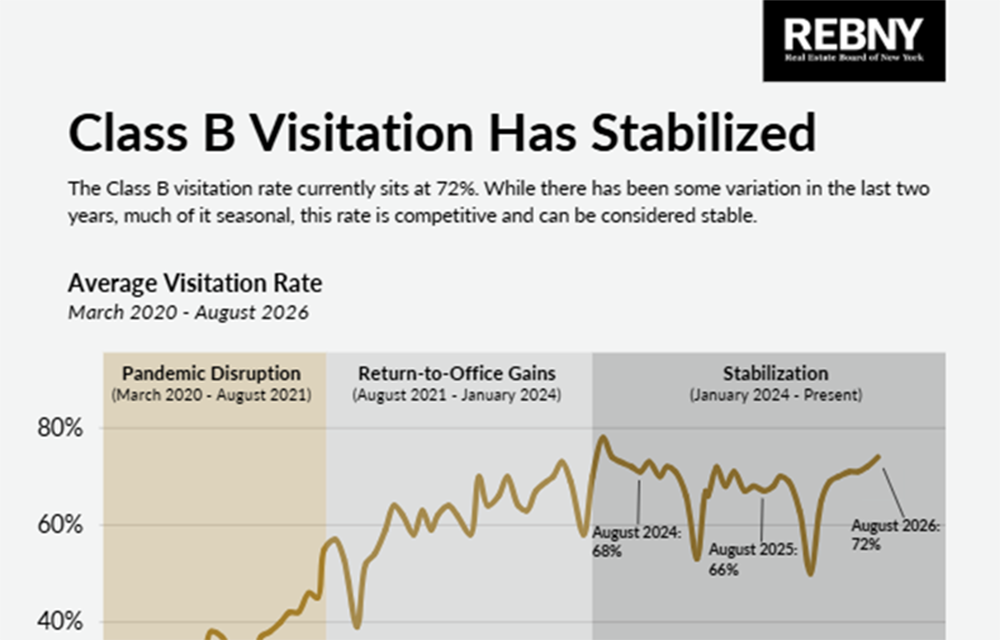
Hunt commercial real estate question and answer: Fortune 500 wisdom - by David Hunt
Yes, there are lessons to be learned from the largest companies in America when comes to managing your real estate. But the decision to buy or lease real estate may not be one of
.gif)