



News:
Brokerage
Posted: January 28, 2013
Prospect Heights' renaissance & emergence of Vanderbilt Ave.
Much like Smith St.'s transformation from vacant wasteland to retail oasis, Prospect Heights has seen a meteoric rise in recent years. Having long been the overlooked and underappreciated neighborhood at the center of Brooklyn's brownstone renaissance, Prospect Heights has emerged as a popular destination in its own right for both permanent residents and weekend visitors.
In the past, the Flatbush Ave. border of Prospect Heights served as a putative barricade to Park Slope urbanites. Slowly though, the neighborhood's widely accessible transportation broke down that barrier. Along Flatbush, Prospect Heights residents have access to three subway stations no more than two stops from Atlantic Terminal, where nine subway lines - including the 2, 3, 4, and 5 trains to Manhattan - and the Long Island Rail Rd. converge.
The convenient commute to Manhattan also works in reverse when visiting the neighborhood's numerous attractions. The Brooklyn Museum is home to over 1.5 million works of art in more than 20 concurrent exhibits, while the Brooklyn Public Library is a mere five-minute walk away. If you're looking for more exercise, you can stroll through Prospect Park on a Saturday and grab food at the farmers' market on your way to check out the Grand Army Plaza Memorial.
(Oh, and you may have heard rumors about a new arena in town, too.)
All of which is to say, Prospect Heights is the new hotbed for retailers searching for a foothold in the budding Brooklyn market, and merchants are beginning to flock to the strip of Vanderbilt Ave. stretching from Atlantic Avenue to Park Place. Five years down the road, Vanderbilt could be "the next Smith St." It certainly seems headed that way.
Empire Mayonnaise Co. chose Vanderbilt Ave. to open its first physical location from which to sell their often organic, always exotic product. Only on Vanderbilt can you find Smoked Paprika and White Truffle mayonnaise.
Opened in 2009 by Michelin-starred chef Saul Bolton-who also fittingly pioneered Smith St. in 1999 with his upscale restaurant Saul-the gastropub The Vanderbilt is emblematic of the street's emerging retail class, and not only in name.
Just one block further south on the corner of Vanderbilt and St. Marks Ave., Brian Smith, owner of the ice cream parlor Ample Hills Creamery, explained why he and other retailers were drawn to Vanderbilt Ave.
"It's insulated, in the sense that 5th and 7th Ave. are vast, sprawling stretches that aren't destinations because they expand over so many city blocks," said Smith. "Vanderbilt is only five or six blocks, and that closeness, that tightness creates a sense of destination."
While Smith estimates roughly 80% of his customers come from within a 20 block radius to taste his apple cider sorbet and cotton candy ice cream, he has found Vanderbilt's retail appeals to ice cream connoisseurs from Manhattan, Long Island, even Jersey.
In fact, in just the year and a half since Ample Hills moved in, Smith has noticed an influx of retailers as well as customers.
"Four or five new restaurants have opened recently, with a couple of others imminent. Yet there are still opportunities to take over shuttered spaces, and take advantage of the hub of energy on any given Friday or Saturday night."
With fewer toddlers and strollers in tow, and more bars and restaurants drawing longtime residents and part-time partiers, Vanderbilt Ave. is becoming the hip, albeit scaled-down, version of Park Slope. Don't look now, but Prospect Heights is growing up.
I've been in real estate for six years now, five as part of the New York Retail Leasing team at CPEX Real Estate. I've negotiated over 50 retail leases, bringing in national, regional and local tenants such as RadioShack, Smashburger, New York Kids Club, and Brooklyn Friends. Only in the last couple of years did Vanderbilt Avenue start to make a footprint in the Brooklyn retail market.
So which neighborhood and corridor will be next? Tune in next month when I reveal which street is on a five-year plan to follow the trend set by Smith St. and taken up by Vanderbilt Ave.
Ryan Condren is a managing director at CPEX New York Retail Leasing, Brooklyn, N.Y.
Tags:
Brokerage
MORE FROM Brokerage
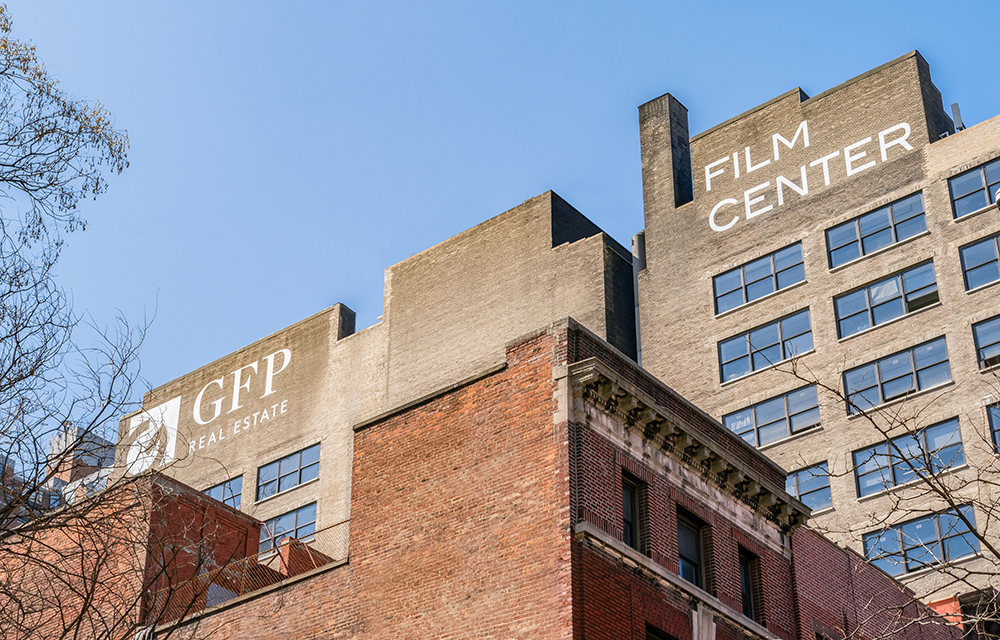
GFP Real Estate signs 11,078 s/f of leasing activity at 630 Ninth Ave.
Manhattan, NY GFP Real Estate closed three office leasing transactions totaling 11,078 s/f at 630 Ninth Ave. in Midtown, including a new lease with Irish Arts Center and extensions by existing


Quick Hits

Columns and Thought Leadership

A guide to finding the right NYC property management company - by Sanjay Gandhi
Being a small to midsize landlord in NYC is an increasingly demanding endeavor. From navigating complex regulations, increased compliance demands to dealing with tenant issues and remediating violations. It is wise to enlist the assistance of a partner, a professional

Positive forecast for New York’s pro-housing push? - by Philip Butler
New York’s housing crisis remains a hot button topic despite growing consensus that varied and affordable housing is desperately needed statewide. Governor Hochul has recently introduced several initiatives to overcome N.Y.’s anti-housing

Hunt commercial real estate question and answer: Fortune 500 wisdom - by David Hunt
Yes, there are lessons to be learned from the largest companies in America when comes to managing your real estate. But the decision to buy or lease real estate may not be one of

New York’s streets are full again, and the retail numbers prove it - by Noam Aziz
Walk down any New York block this year and you can feel it. The sidewalks are crowded, the storefronts are lit, and the energy that defines this city is back at full volume.
.gif)
September Promotion
